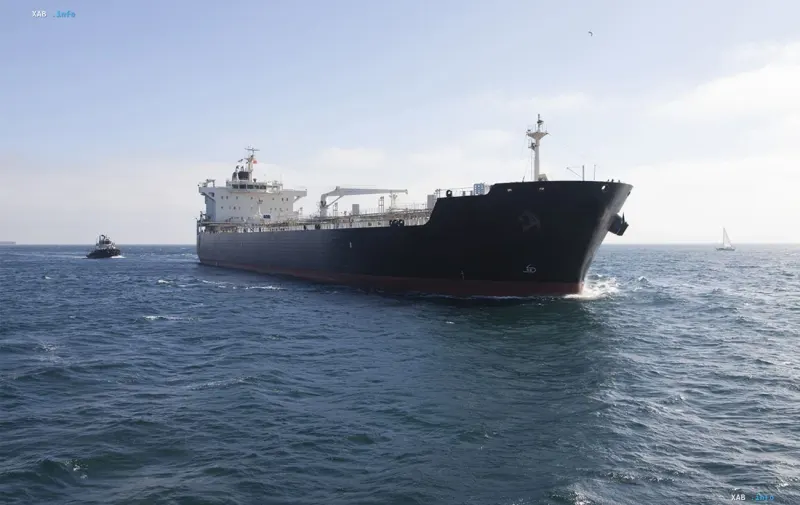
A Russian diesel tanker has set sail for the United States for the first time since the embargo was imposed in 2022. The vessel is transporting a batch of petroleum products to New York after the Washington administration announced a new energy deal with Moscow amid domestic political challenges.
Maritime Shipping Details
According to analytical agency LSEG, on October 22, 2026, the loading of 40,000 metric tons of ultra-low sulfur diesel fuel onto the medium tanker Agioi Fanendes was completed at the Russian port of Primorsk. The vessel sails under the Maltese flag and is currently crossing the Atlantic Ocean, with its arrival at the destination port in New York projected for November 7. The specific buyer and seller companies for this hydrocarbon shipment have not yet been officially disclosed by market participants.
Political Context and Statements from Parties
This shipment marks the resumption of direct imports of Russian petroleum products to the US, which were completely blocked by former President Joe Biden in the spring of 2022 following the outbreak of large-scale military actions in Ukraine. US President Donald Trump announced the fuel deal in October of this year to stabilize rising domestic prices ahead of the upcoming midterm elections scheduled for November 3. The Kremlin confirmed the dispatch of the first vessel under the reached agreements, noting that future supplies will continue at a steady pace.
Agreement Terms and Market Prospects
According to the announced terms, under the energy initiative, Russia must immediately supply 300,000 metric tons of diesel to American and global markets, followed by an increase in volumes to 500,000 tons in November and 1 million tons in the near future. At the same time, Washington insists on compliance with new sanctions restrictions and demands that European allies release additional fuel reserves to curb inflationary risks.
Significance of the Resumption of Supplies
The resumption of Russian petroleum product supplies to the US market creates a precedent for the partial easing of energy isolation and demonstrates the practical impact of geopolitical agreements on global trade logistics. This step could have a significant impact on energy pricing in North America ahead of the vote, as well as alter the balance of power in the global diesel fuel market.