According to analytical company Kpler, cited by the Financial Times, Russia exported 271,000 barrels of diesel fuel per day in October — exactly double the September figure of 135,000 barrels per day. The surge in shipments coincided with a series of steps taken by Donald Trump's administration regarding the so-called "diesel deal" with Vladimir Putin, concluded in early October. According to the publication, this package of agreements became the main factor determining the dynamics of Russian oil exports in recent weeks.
The Deal and Temporary Sanctions Relief
The export growth followed demands by the Trump administration for Ukraine to halt strikes on Russian oil refineries. In early October, Trump and Putin agreed on a "diesel deal" under which the U.S. Department of Treasury temporarily eased sanctions on Russian diesel. According to FT, this relief opened up additional sales channels for Moscow and allowed shipments to ramp up. Simultaneously, Ukraine temporarily suspended attacks on refineries, though strikes on processing facilities resumed in October.
Four Tankers to the U.S. Never Arrived
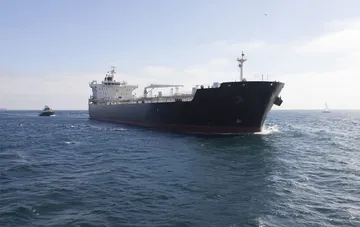
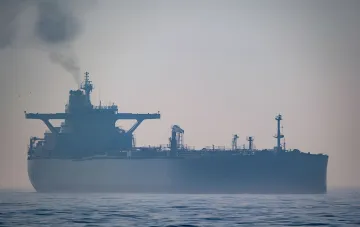
A key detail of the deal highlighted by the Financial Times is the fate of shipments directly to the United States. Russia dispatched four diesel tankers to the U.S. in accordance with the agreement with the White House, but none of them ever reached the American coast. Instead, according to the same data, shipments of diesel to Brazil, Turkey, and several other countries increased. Thus, the actual flow of fuel that was supposed to reach the American market under the terms of the deal has not materialized as of the time of publication.
Prices in the U.S. Won't Fall — Expert Calculations
Trump publicly stated that the deal with Putin would lower fuel prices in the U.S. Analysts and experts, however, predicted the opposite: the volumes Russia is capable of supplying cannot significantly impact the American fuel market. According to their calculations, even with full implementation of the agreement's terms, the effect on retail prices will be negligible. This outlook aligns with the assessment of several American observers, who point out that the benefits of the deal primarily went to the Russian side rather than consumers in the U.S.
What This Means for the Market
Combined, the Kpler data and FT publications paint a picture in which the "diesel deal" served primarily as a tool for increasing Russian exports to third countries rather than as a supply channel to the U.S. The doubling of daily shipments in October confirms that temporary sanctions relief opened new sales markets for Moscow, while the stated goal—lowering fuel prices in America—has not been achieved, according to experts. Future dynamics will depend on whether the sanctions relief is maintained and when, if ever, the tankers headed for the U.S. complete their journey.