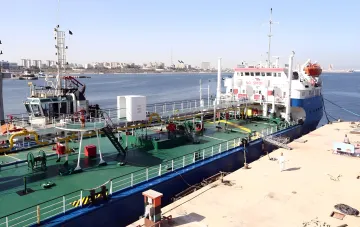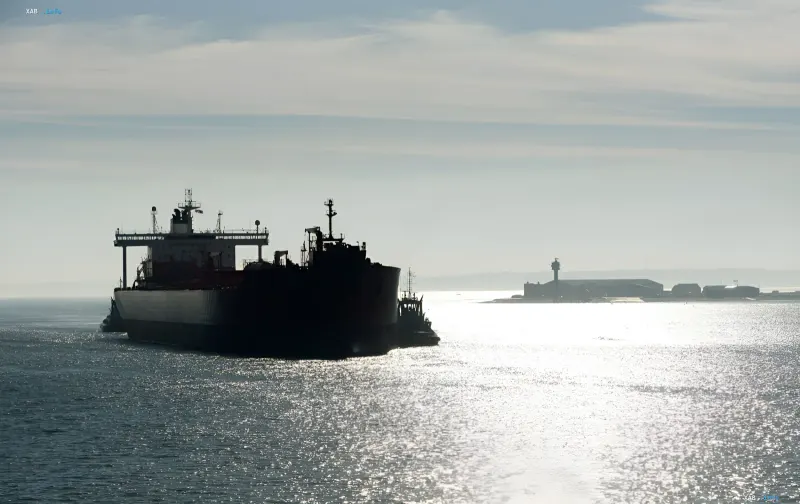
Two tankers carrying Russian diesel fuel, which under agreements between Washington and Moscow were supposed to head to the United States, ultimately bypassed the American coast and arrived at Brazilian ports. This is reported by RBC-Ukraine, citing the industry publication The Maritime Executive. According to experts, each of the two vessels was carrying about 40,000 tons of diesel fuel, making their route change a notable event for the market and for the parties to the previously concluded agreement.
What Happened to the Vessels
According to The Maritime Executive, Russia sent a total of four tankers with diesel fuel to the United States. Two of them have already completed their voyage and entered Brazilian ports. A third vessel, tracked under the name Beast, continues moving along the coast of South America. At the time of publication, the fourth tanker was located in the Atlantic, with no data indicating its intention to head to the United States. Thus, not a single one of the four vessels reached the American coast according to the original plan.
Context: Diesel Agreement in Question
The change in the vessels' course occurs against the backdrop of a previously concluded diesel agreement between US President Donald Trump and Russian leader Vladimir Putin. According to media reports, earlier in the process, two out of three oil tankers carrying Russian fuel to the US changed their route, putting the implementation of the agreements at risk. In particular, on November 10, it was reported that the vessel Agioi Fanendes, carrying Russian diesel fuel to the United States, turned around about 400 nautical miles from New York. On board, according to estimates, there were about 40,000 metric tons of ultra-low sulfur diesel — roughly 300,000 barrels.
What This Means for the Agreements
The actual redirection of cargo to Brazil and along the South American coast indicates that the logistics of supplies along the Washington-Moscow line are not being implemented in the form stipulated in the agreement. While the fourth tanker is in the open ocean and its further course is undetermined, it is premature to draw final conclusions on whether the diesel agreement will be fully implemented. Nevertheless, the already recorded arrival of two vessels in Brazil forms a steady signal that actual fuel flows are deviating from the declared destination toward the US.