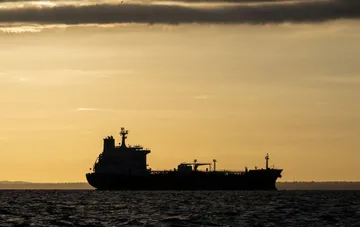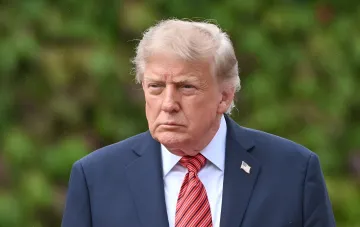
In mid-October, at least three vessels carrying Russian diesel fuel headed towards US waters. This shipment is a direct consequence of President Donald Trump’s executive order on October 16, which lifted restrictions on the import of Russian diesel. According to The Washington Sun, referenced by RBC-Ukraine, Trump administration officials have been actively encouraging American companies in informal contacts with industry groups to take on Russian fuel shipments, while offering significant discounts. However, as market participants themselves note, such practices carry significant legal and reputational risks for potential buyers.
Sanctions pivot and supply logistics
The decision to lift sanctions on Russian diesel, made on October 16, has fundamentally changed the logistics map. According to industry sources, both Moscow and Washington are showing exceptional persistence in finding buyers for cargoes already underway. A note for clients from the analytical firm Rapidan Energy Group states that both sides are "still trying to find buyers," and does not rule out a scenario in which some of the shipments will ultimately be diverted to Brazil. An analyst familiar with the negotiations confirmed that both sides are offering "significant discounts" to stimulate deals. Notably, at least one of the three tankers heading to the US is under international sanctions, which further complicates the legal picture of the transaction.
Legal conflict: Congress versus the White House
The central point of contention has become the legal justification for the order itself. Democrats in Congress openly assert that Trump’s October 16 order violates existing sanctions laws. Senator Richard Blumenthal has called on shipping companies to turn back ships carrying Russian diesel, labeling these supplies illegal. In parallel, the Democratic faction is preparing the legal basis for an investigation into the diesel deal between the US and Russia; letters have already been sent to bank and port administrations demanding documentation on the operations. In response, a representative of the US Treasury Department told The Washington Sun that "the general license from the Office of Foreign Assets Control (OFAC) is consistent with actions the agency has taken in the past," and emphasized that the agency is "complying with current legislation and rules."
Reputational risks for American companies
For American firms considering the possibility of accepting Russian diesel, the situation is ambiguous. On one hand, significant discounts make the cargoes economically attractive. On the other, industry groups warn that participating in the deals could entail legal consequences and damage to business reputation, especially against the backdrop of growing pressure from Congress. The receipt of demand letters from Democratic senators by bank and port administrations indicates that institutional pressure on supply chain participants has already begun and is likely to intensify as the tankers approach the American coast.
Context: what is known about shipping and port infrastructure
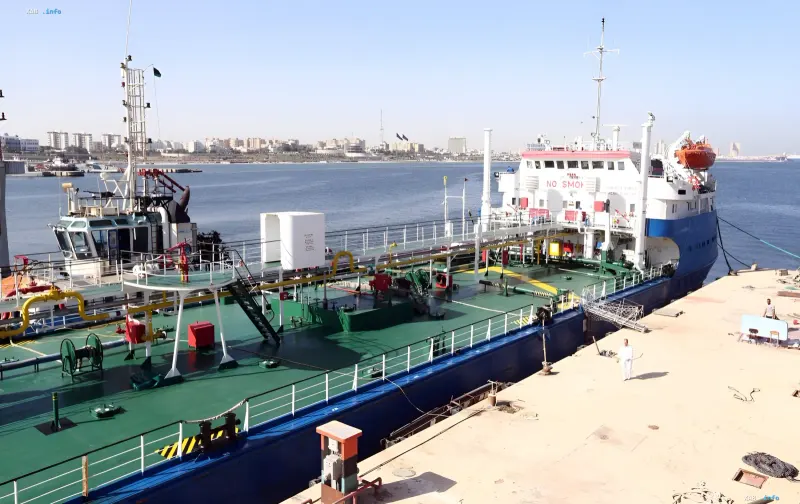
Photographs taken at the port show tankers with characteristic deck infrastructure: green floor covering, yellow fuel lines, fire suppression systems, and lifeboats. The ship superstructures bear standard signs saying "NO SMOKING" and "DANGER — FLAMMABLE CARGO." Workers in light-colored clothing are on the pier, which is typical for ports in the Middle East and the Mediterranean, where diesel fuel shipments are generally formed and transshipped before long-haul transport. The presence of one of the tankers under international sanctions means that even the formal lifting of US restrictions does not remove all legal barriers to unloading the cargo in US ports.