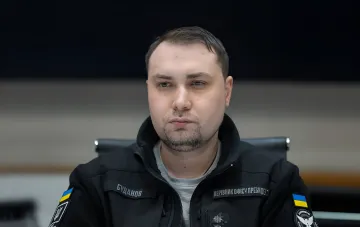
Amidst the ongoing conflict in Ukraine, Russia has significantly altered its aerial attack tactics, placing a major emphasis on the use of jet-powered unmanned aerial vehicles (UAVs). According to Yuriy Ignat, Head of Communications for the Air Force Command of the Armed Forces of Ukraine (AFU), during certain attacks, jet drones account for up to two-thirds of the total number of UAVs deployed. This shift is a direct response to Ukraine's development of its own interception systems.
Surge in Jet Drones
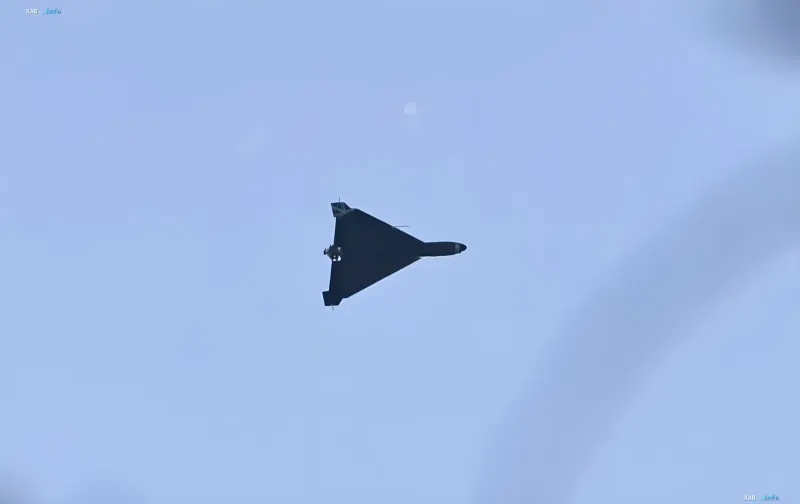
According to Ignat's data, in July 2026, Russia deployed five times more jet UAVs than in June. For instance, during a night attack on August 14, 108 drones were launched, of which more than 30 were jet-powered. This surge in jet UAVs is attributed to their high speed and the difficulty of intercepting them. Jet drones can reach speeds of up to 600 km/h, making them significantly more dangerous for Ukrainian air defense systems.
Technological Features of Jet Drones
Jet drones of the "Shahed" type differ from their predecessors not only in speed but also in their launch method. To accelerate before engine ignition, long rails installed at Russian airbases are used. This allows the drones to reach high speeds even during the takeoff phase, complicating their detection and interception. Furthermore, Russia is actively expanding the infrastructure to support the launch of such drones, indicating long-term plans for their mass deployment.
Ukraine's Response: Developing New Interception Systems
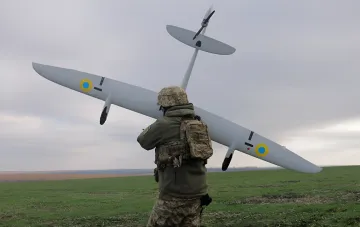
In response to intensified Russian attacks, the Ukrainian company SkyFall has developed a new high-speed interceptor drone, the P1-SUN Jetkiller. This device is capable of effectively destroying jet drones by utilizing its own high speed and precision guidance. The development of the P1-SUN Jetkiller is a direct response to Russia's active use of jet UAVs and demonstrates Ukraine's determination to adapt to new challenges on the battlefield.
Contradictory Data
Despite Yuriy Ignat's clear statements regarding the increase in jet drones, there are discrepancies in the interpretation of this data. Some sources indicate that not all attacks involve the use of jet UAVs to such an extent. For example, in some cases, the proportion of jet drones may be significantly lower than the claimed two-thirds. This creates uncertainty in assessing the real threat and requires further data analysis.
Impact on Civilian Infrastructure
The use of jet drones has already led to serious consequences for Ukraine's civilian infrastructure. For instance, on July 28, 2026, a "Shahed"-type jet drone hit a five-story residential building in Kharkiv, causing a fire. Such incidents underscore the need to strengthen defense systems and develop new methods to counter jet UAVs.
Thus, Russia continues to ramp up the production and deployment of jet drones, creating serious challenges for Ukraine. However, Ukrainian developers are not standing idly by, actively creating new interception systems capable of countering this threat. Future events will show how effectively these efforts can be balanced.