As of November 10, 2026, the Russian authorities are finalizing a package of amendments that drastically increases state fees and criminal fines for business. According to RBC-Ukraine citing The Moscow Times, the Ministry of Finance of the Russian Federation has prepared changes providing for an increase in a number of payments starting as early as 2026; for certain categories of business, the amounts will grow manifold. The publication's editorial board directly links the preparation of the amendments to the need to find additional funds to wage the war against Ukraine amid a widening federal budget deficit.
What Exactly the Amendments Change
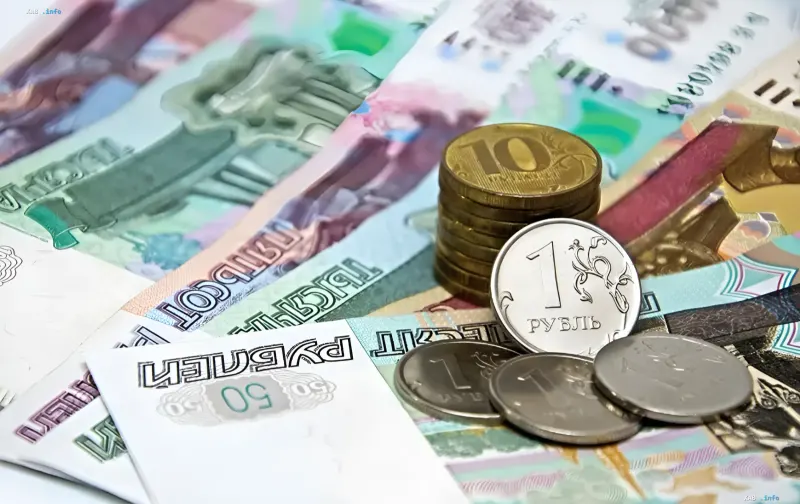
The most noticeable step is the revision of maximum fines for illegal entrepreneurship without registration or a license: the upper limit is raised from 300,000 to 1.5 million rubles, and if the violation is committed by a group of individuals, from 500,000 to 2.5 million rubles. The authorities also plan to toughen punishments for other economic crimes. According to the document's authors, the bill covers more than 30 articles of the Criminal Code of the Russian Federation.
Position of the Ministry of Justice: Fines Have Not Changed for Over 20 Years
The Ministry of Justice of the Russian Federation explains the need to revise the sanctions by stating that the amounts of fines for a number of articles have not been adjusted for more than two decades. Formally, this justification refers to the loss of the real fine's deterrent effect due to inflation, but combined with the growth of budget plans for fine revenues, the amendments are read primarily as an instrument to additionally replenish the treasury.
Budget Plan: Up to 1.7 Trillion Rubles from Fines
In parallel, the government has significantly increased budget revenue forecasts from fines. For 2027–2029, the authorities expect to receive more than 1.3 trillion rubles, and taking 2026 into account, the total amount reaches a record 1.7 trillion rubles. Compared to previous plans, expected revenues for 2027 grew by 27%, and for 2028 by 37%. Such an upward revision shows that fines are becoming a calculated source of income rather than just a punitive measure.
Military Context: 50 Trillion in Expenses and a 15.8 Trillion Deficit
Moscow needs additional funds against the backdrop of rising military expenditures. According to the "National Defense" article, the Russian authorities plan to spend more than 50 trillion rubles over three years. The total federal budget deficit of the Russian Federation in 2027–2029 is projected at nearly 15.8 trillion rubles. It is this gap between military spending and revenues that, according to the document's logic, must be partially covered by tightening sanctions and increasing payments from business.
Broader Background: Public Sector Salaries and Resources to Continue the War
The context of intensifying fiscal pressure is supplemented by other data. According to intelligence reports, Russia has begun cutting salaries for public sector employees in order to pay new participants of the "special military operation". At the same time, as noted earlier, Russia retains military and economic resources to continue the war throughout the next year. The increase in fines and fees in this picture acts as one of the elements of redistributing limited budget funds in favor of military-defense needs.