Indian oil refineries are demonstrating unprecedented interest in Russian crude oil. Amidst severe sanctions pressure from the US, buyers have found workarounds, actively using intermediary chains to legitimize deals.
Record Volumes in Indian Ports
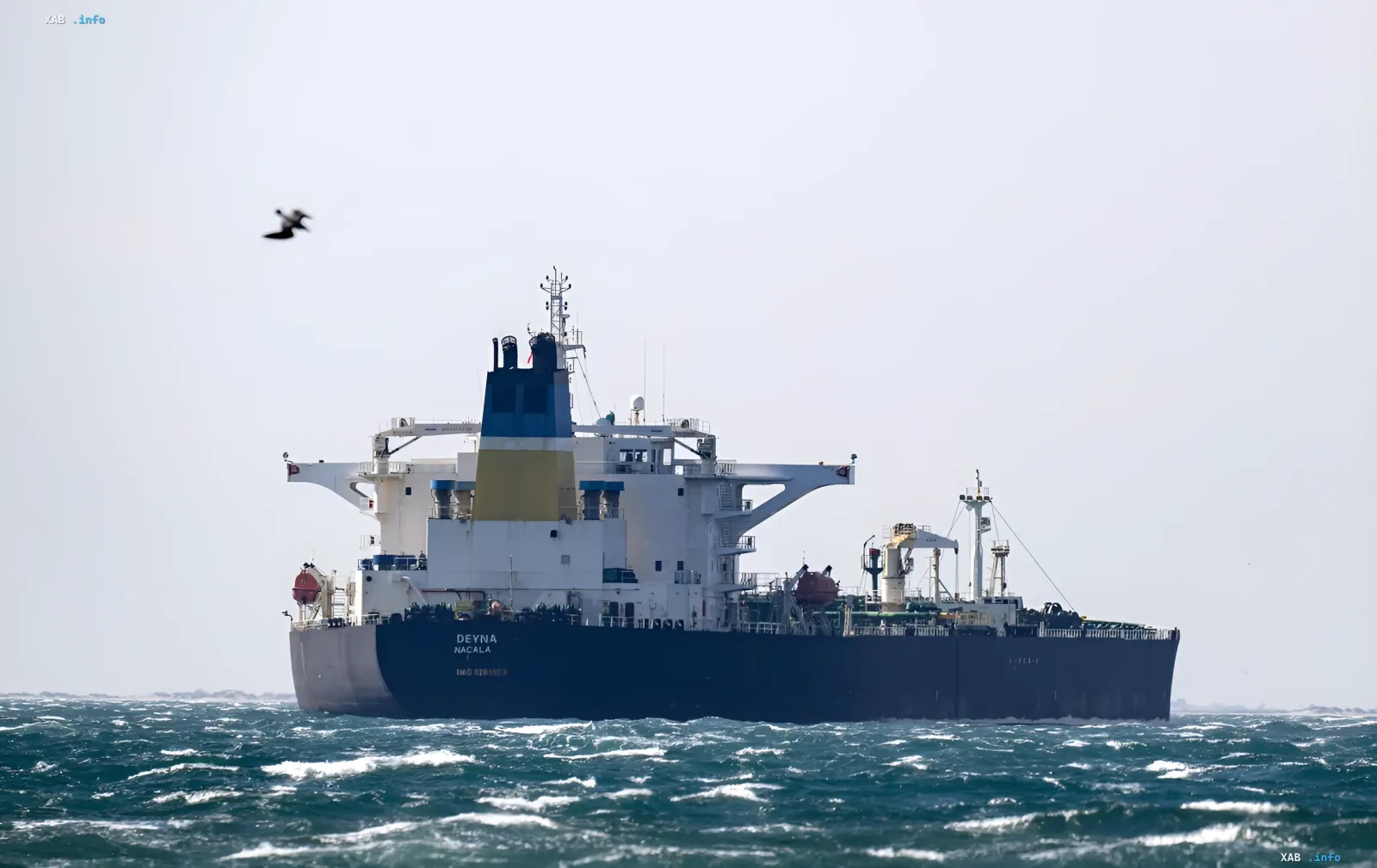
Maritime shipping monitoring data indicates a massive surge in supplies. Last month, Indian ports received over 2.3 million barrels of Russian oil per day. Experts note that in July, these volumes remain at a similarly high level, indicating stable demand.
For comparison: before the start of Russia's full-scale invasion of Ukraine, which occurred more than four years ago, purchases by Indian companies were practically zero. This sharp spike in imports allows Moscow to effectively export raw materials to external markets and avoid accumulation in its own reserves.
Ineffectiveness of Restrictions and Export Growth
Despite the fact that major Russian producers are under US sanctions, this has not stopped buyers. Restrictions introduced at the end of last year were supposed to significantly reduce the export flow; however, the use of complex schemes with intermediaries has allowed Russia not only to maintain its positions but to increase shipments.
The rapid growth of supplies to India coincided with two important factors: a reduction in exports from Persian Gulf countries and a significant decrease in the price of Russian oil on the global market.
Key Export Figures
Statistics for the current year confirm the trend of recovery and growth in hydrocarbon maritime transport:
- Since the beginning of the year, the average volume of oil exports from Russia has been 3.62 million barrels per day.
- This is 280,000 barrels more than the average figure for the entire previous year.
- Current supply volumes exceed the annual averages recorded since the very beginning of the full-scale invasion.
Internal Problems and Drone Strikes
Despite successes with external exports, the situation within the country remains tense. The Russian leader recently admitted that Ukrainian drone strikes caused "certain problems" with petroleum products, although he assured that authorities are gradually bringing the situation under control.
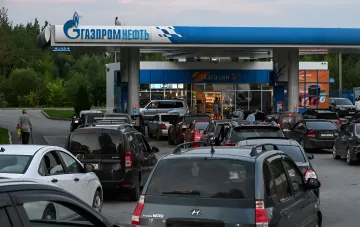
According to analysts, Russian oil refineries currently meet only about 65% of the country's seasonal gasoline demand. The cause of the shortage has been numerous attacks by Ukrainian unmanned aerial vehicles, which damaged and disabled several of the largest refineries.