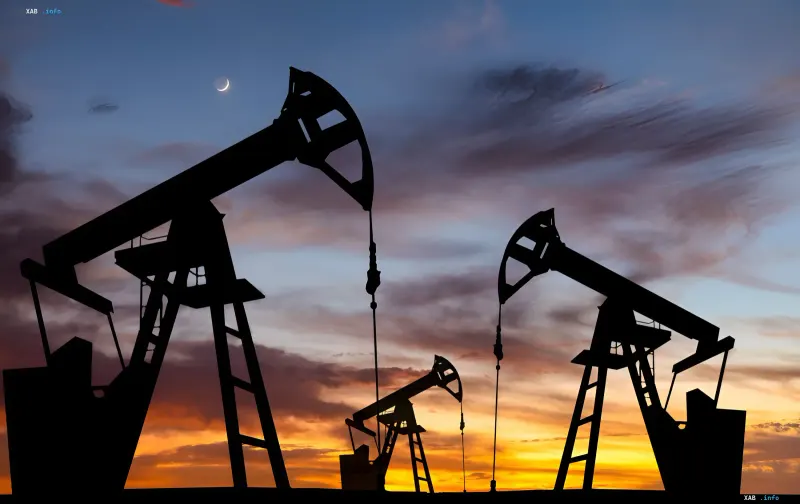
According to a statement by Russian Deputy Prime Minister Alexander Novak, cited by RBC-Ukraine and The Moscow Times, Russia's oil production in 2026 will hit a record low of 494 million tons. This figure is 3.4% lower than the 2024 level (511.5 million tons) and 4.3% lower than the 2024 level of 516 million tons based on an alternative estimate. For comparison, the country produced 530 million tons in 2023 and 535 million tons in 2022. Thus, over the past few years, the sector has lost more than 40 million tons of annual production, with current values being the lowest since 2008, when 488 million tons were produced.
Failure of Government Forecasts
A key indicator is that even downwardly revised targets were not met. Initially, the government projected 2026 production at 525 million tons, then lowered the forecast to 511 million tons, but the actual result (494 million tons) fell short of even this mark. Significantly, even at the peak of the pandemic, when operators were forced to shut in wells, oil output was higher at 512.7 million tons. This means that the current drop is not the result of an external demand shock, but rather reflects structural limitations within the industry.
Causes: Sanctions, Drone Attacks, and Depleted Fields
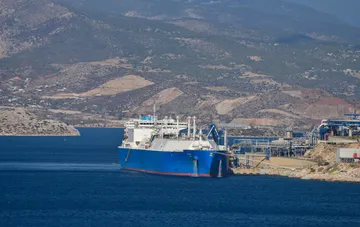
UBS analyst Giovanni Staunovo attributes the decline to a combination of factors: drone strikes on infrastructure have led to refinery downtime and reduced processing volumes to 20-year lows, while the inability to export all 'excess' volumes has forced companies to cut production. At the same time, as highlighted in the reports, oil production was declining even before the war against Ukraine due to the depletion of old Soviet-era deposits. In other words, the current low is a combination of chronic resource base depletion, sanction pressure, and physical damage to infrastructure.
A Blow to the Budget and the Kremlin's External Influence
Oil brings Russia around $120 billion in revenue annually, and as production falls, this revenue stream shrinks. The publication notes that along with it, the Kremlin's ability to project influence abroad will also decline. Price dynamics create additional pressure on revenues: in May, amid escalating tensions in the Middle East, the discount on Russian crude widened for the first time in a long time, and at the end of 2025, the price of Russian oil hit a record low amid US sanctions that forced exporters to revise supply routes.
Scenarios Up to 2050: From 171 Million Tons to Zero Exports
The Russian government admits that without significant investment, technological breakthroughs, and regulatory changes, the country faces a catastrophic collapse in production. Under the most pessimistic scenario — with tightened Western sanctions and the world's accelerated transition away from hydrocarbons — Russia will produce only 171 million tons of oil annually by 2050, which is three times lower than the current level, and barrel exports are projected to drop to zero.
Oil as a Negotiating Tool
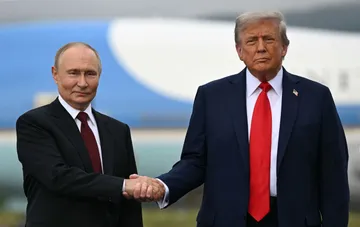
Against the backdrop of the industry's decline, the political dimension of the issue is also intensifying. It was previously reported that during peace talks, Vladimir Putin offered US President's special envoy Jared Kushner business deals in exchange for easing sanctions, including joint oil production near Sakhalin and diesel supplies to the US. Thus, 'black gold' remains both a vulnerable asset and a bargaining chip, while its structural depletion narrows Moscow's room for maneuver amid ongoing sanction pressure.