Supreme Court of the Russian Federation upholds the disqualification of 'Yabloko' from elections
On August 17, 2026, the Supreme Court of the Russian Federation issued a final ruling on the case regarding the disqualification of the 'Yabloko' party from the upcoming State Duma elections. The panel of judges rejected all ten motions submitted by the political party's lawyers as part of the appellate proceedings. Thus, the first-instance court ruling from August 10, which annulled the party's registration, was left unchanged and has entered into legal force. This means that 'Yabloko' is officially excluded from the ballot and will not be able to participate in the voting this year.
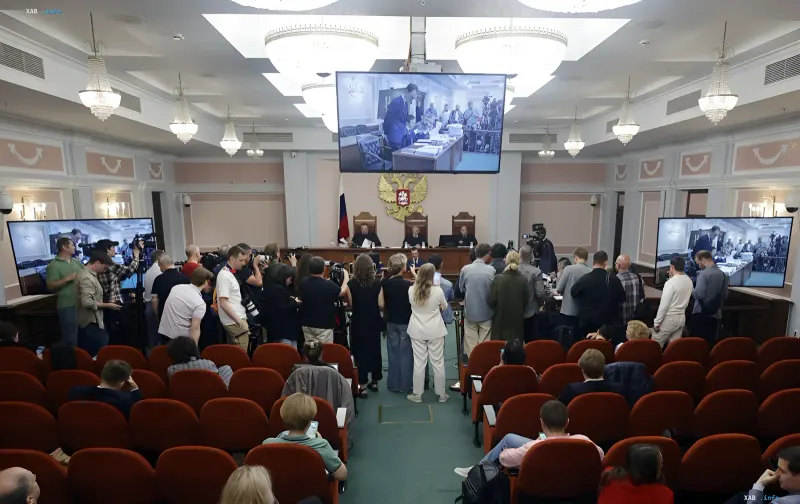
The hearing was held in closed session: only the parties to the proceedings and accredited journalists were admitted to the courtroom. Ordinary observers and party supporters were barred from watching the procedure. Judge Vyacheslav Kirillov, who considered the lawsuit, did not read the reasoning part of the ruling, limiting himself to a statement of fact: the 'Yabloko' party will not participate in the State Duma elections.
Lawsuit from 'Rodina' and the issue of foreign funding
The initiator of the process was the pro-Kremlin party 'Rodina', which filed the lawsuit back on August 7. The basis for the demand to disqualify 'Yabloko' was accusations of receiving foreign funding. 'Yabloko' remained the only political force in these elections to openly declare the need to end the war in Ukraine, which, according to experts, became the key factor of pressure on the party.
Representatives of 'Yabloko' called these accusations absurd. According to party data, the amount of 'foreign funding' amounted to only 16,900 rubles (about 200 US dollars), which were immediately returned to the senders. At the same time, representatives of the opposition force pointed out that companies with foreign income had transferred funds to other parliamentary parties, including the initiator of the lawsuit.
Party reaction and arrests of supporters
Party leader Nikolai Rybakov urged the head of the Central Election Commission, Ella Pamfilova, to either recognize the accusations as baseless or to demand through the court the disqualification of all other election participants based on the same criteria. 'Either recognize the accusations against 'Yabloko' as absurd and leave the registration in force, or the CEC should go all the way and demand through the court to disqualify all the others,' Rybakov stated. The party announced its intention to appeal the decision to the Presidium of the Supreme Court of the Russian Federation.
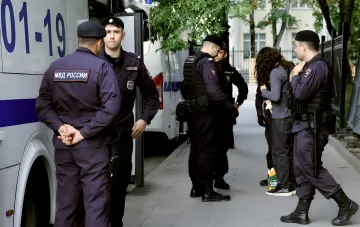
Due to the closed nature of the hearing, 'Yabloko' supporters organized a protest action outside the courthouse. As a result, law enforcement officers detained more than 70 people. This event became the culmination of a tense election campaign, during which opposition forces faced unprecedented pressure from state institutions.
Contradictory data
There is a discrepancy in the interpretation of facts between the official position of the court and the statements of the 'Yabloko' party. The court recognized the existence of violations related to foreign funding sufficient to annul the registration. At the same time, the party insists that the amount of 16,900 rubles was returned and cannot be considered funding in the legal sense. Furthermore, 'Yabloko' points to double standards, noting that similar criteria are not applied to other parties, including 'Rodina', which raises questions about the fairness of the court's decision.