A debate has erupted in Lithuania regarding the need to tighten transit rules for citizens of the Russian Federation. President of Lithuania's advisor Marius Česnulevičius supported the initiative of Seimas deputy Arvydas Anušauskas, who proposed radically reducing the permitted time of stay in the country during transit. The current regulation, allowing a stay on the territory of the state for up to 24 hours, is proposed to be replaced by a strict six-hour limit.
Government Arguments: Combating Violations
The main argument in favor of reducing the time interval is presented as a measure to reduce the number of violations of stay rules. According to the President's advisor, the current 24 hours provide too many opportunities for Russian citizens not just to pass through the country's territory but to actively move around it, creating risks for national security. Česnulevičius emphasized that reducing the time to 6 hours will make the very idea of "trips around Lithuania" less attractive to transit travelers.
Legal and Humanitarian Aspect
During the discussion of the initiative, issues of ethics and international law were raised. Marius Česnulevičius stated that reducing the permissible transit time should not be viewed as an insult to human dignity. Lithuanian authorities insist that this is a purely administrative measure aimed at optimizing border control and minimizing potential threats, rather than discriminating against specific individuals.
Public and Political Reaction
The proposal by Seimas deputy Arvydas Anušauskas received wide resonance in the country's political circles. Supporters of the measure point out that, given the current geopolitical tension, Lithuania must be maximally vigilant. Critics, however, fear that excessive tightening of rules could create logistical problems for legal transit to the Kaliningrad region, although official representatives have not yet voiced specific scenarios of negative consequences.
Contradictory Data
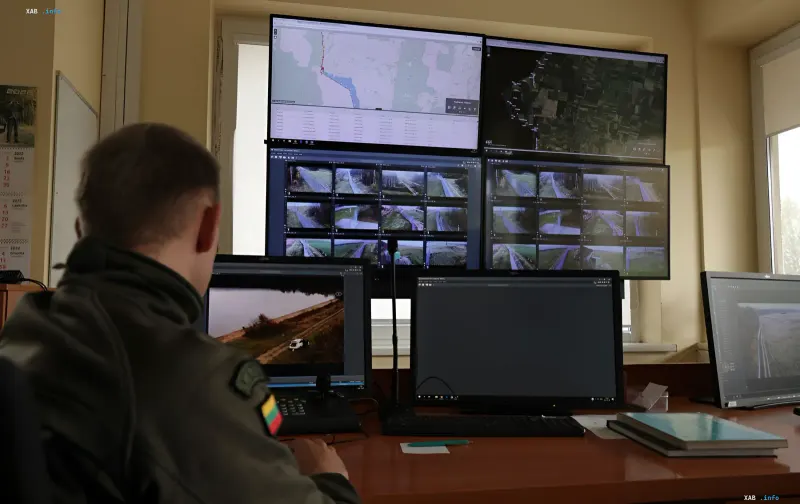
There are discrepancies in the interpretation of the goals of this initiative. On the one hand, Lithuanian officials state that the goal is exclusively to prevent illegal movements and violations of the transit regime. On the other hand, some analysts and public representatives believe that this is part of a broader strategy to effectively close borders with Russia under the pretext of "security." For now, the exact mechanisms for monitoring compliance with the six-hour limit remain a subject of discussion, and it is unclear exactly how the movements of transit tourists will be tracked.