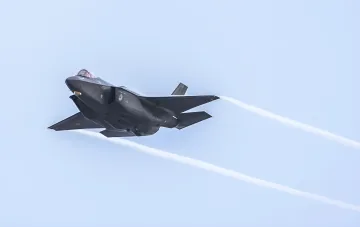
Intense work continues in Ankara to resolve the issue related to the Russian S-400 air defense systems. The Turkish Ministry of Defense has officially confirmed that the presence of this system is the main obstacle to the country's return to the American fifth-generation fighter jet program, F-35.
Official Position of Ankara
Representatives of the Turkish military department stated that active negotiations and "multivector work" are underway regarding the fate of the Russian complexes. However, specific details or timelines for resolving the problem have not yet been disclosed. The department noted that the public will be informed of the results once they are achievable.
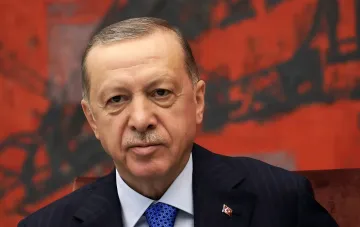
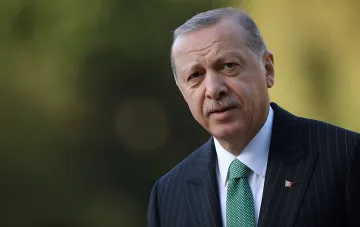
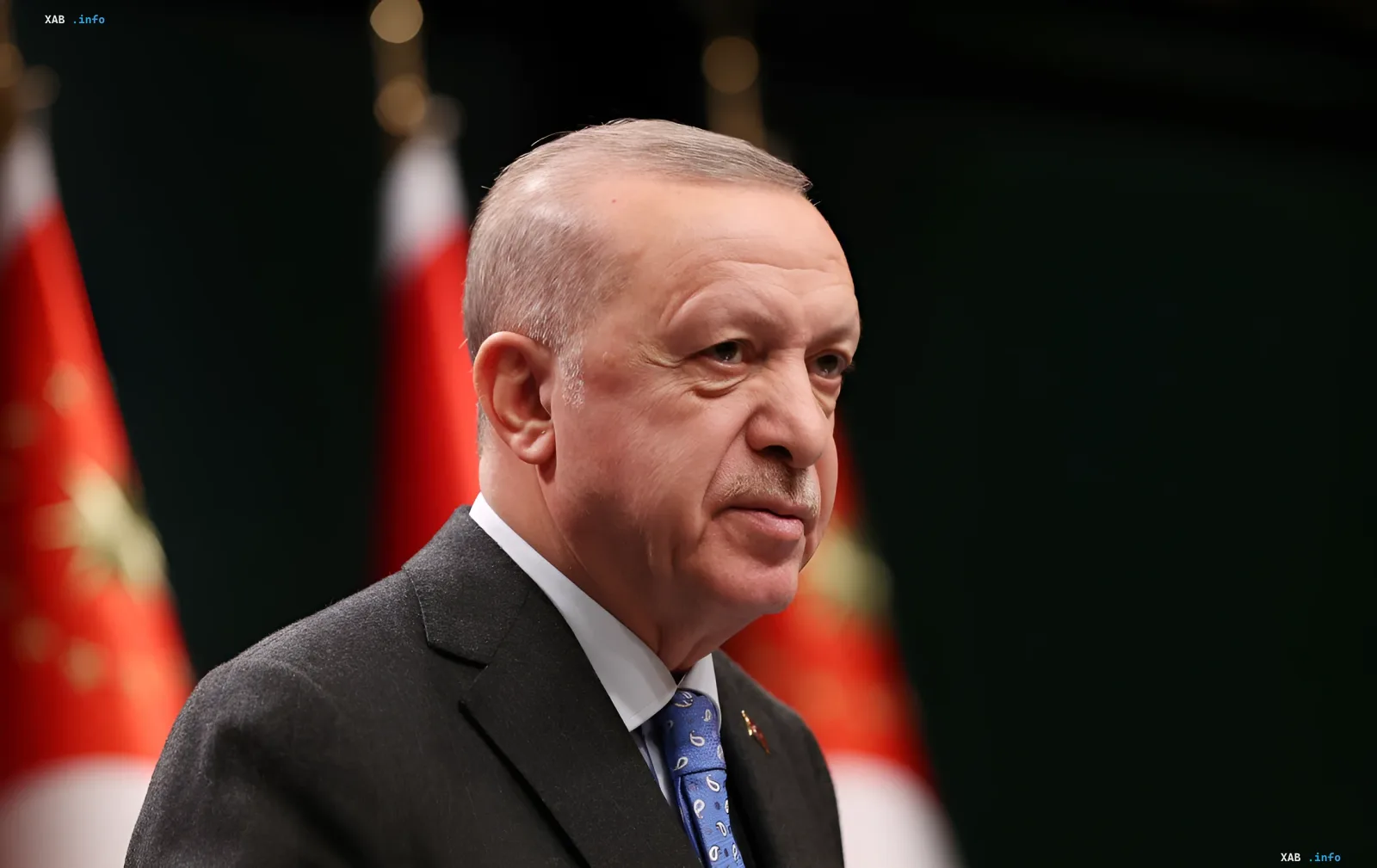
It is important to note that Turkish authorities currently do not comment on rumors of a possible sale or transfer of the S-400 to third countries. Nevertheless, President Recep Tayyip Erdoğan's team is fully aware that without getting rid of the Russian system, returning to the F-35 program is impossible.
US Position and Legislative Barriers
Washington has taken a hard line on this issue. The US Congress has already passed a law that explicitly bans any delivery of F-35 fighter jets to Turkey as long as Ankara possesses Russian air defense systems. American officials argue that the S-400 poses a real threat to the security of American aviation and technology.
Risks and Uncertainty
The media reported that on July 11, it became known that Erdoğan intended to get rid of the complex to resolve the conflict with the US. However, experts and senators warn that even the physical transfer or sale of the S-400 may not solve the problem completely. In Washington, there are fears that concerns regarding technology leaks and security may persist even after the system changes hands.
Parallel to this diplomatic crisis, Turkey continues its active foreign policy. It was previously reported that Ankara put forward initiatives for a ceasefire for Ukraine and Russia, as well as sought the arrest of the Israeli Prime Minister through Interpol. Erdoğan's team also made a number of loud statements after the NATO summit, demonstrating the country's desire to play a key role in regional geopolitics.