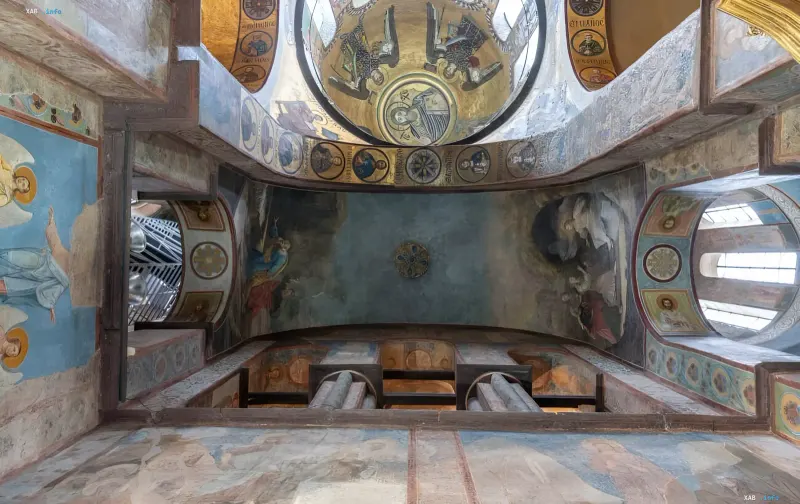
Restorers at Saint Sophia Cathedral in Kyiv have uncovered previously hidden monumental paintings from the 17th and 18th centuries for the first time in over 50 years. This was reported by Wave (RBC-Ukraine) with reference to the Ministry of Culture of Ukraine. The work was carried out as part of a project by the National Sanctuary 'Saint Sophia of Kyiv', implemented with grant support from UNESCO. According to the Director General of the sanctuary, Nelia Kukovalska, experts have successfully restored access to important parts of the cathedral's monumental ensemble that had long remained inaccessible to visitors.
Three compositions unveiled after centuries
From beneath later layers, restorers revealed three compositions that were not previously included in the exhibition: 'The Myrrh-Bearing Women at the Lord's Sepulchre', 'The Apostles Peter and John at the Lord's Sepulchre', and 'The Resurrection of the Lord'. These scenes of resurrection and early Christian iconography complete the picture of the cathedral’s religious decor and allow a glimpse into how its interior was formed in later historical periods. The Ministry of Culture emphasized that the paintings from the 17th–19th centuries are an integral part of the artistic history of Saint Sophia and complemented the medieval image of the monument.
An inscription dated 1011: evidence of the Mohyla Renaissance
In addition to the paintings, experts presented a fragment of a dedication inscription from the Mohyla Renaissance era, which contains a mention of the year 1011 — the date of the foundation of Saint Sophia Cathedral. As noted in the statement, this inscription serves as an important testament to the monument's history and its perception across different eras. It belongs to a cultural layer formed during the Mohyla Renaissance, when Saint Sophia was being reinterpreted and updated, while preserving the memory of its early history.
Systemic restoration and international support
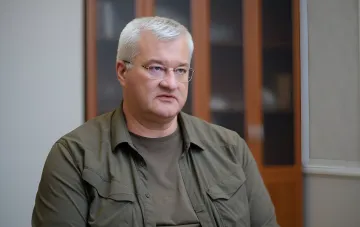
First Deputy Minister of Culture Ivan Verbitsky noted the work of the sanctuary team and emphasized the importance of consistent restoration of the monument. According to him, the restoration of previously closed sections of paintings resulted from the systematic work of specialists. UNESCO's grant support allowed for work to be conducted in accordance with international standards for the conservation of World Heritage sites. The cathedral's walls are known to hold numerous historical layers—from prayers and graffiti to monumental painting—making each new stage of restoration important for understanding the multi-century life of the monument.