The Alternative for Germany (AfD) and the Sahra Wagenknecht Alliance (BSW) are initiating an unprecedented political move at the regional level in Germany. The parliament of the state of Saxony-Anhalt is preparing to adopt the first joint resolution of these political forces, aimed at a radical revision of Germany's current foreign policy course regarding the Eastern European conflict.
The Essence of the Scandalous Initiative and Party Demands
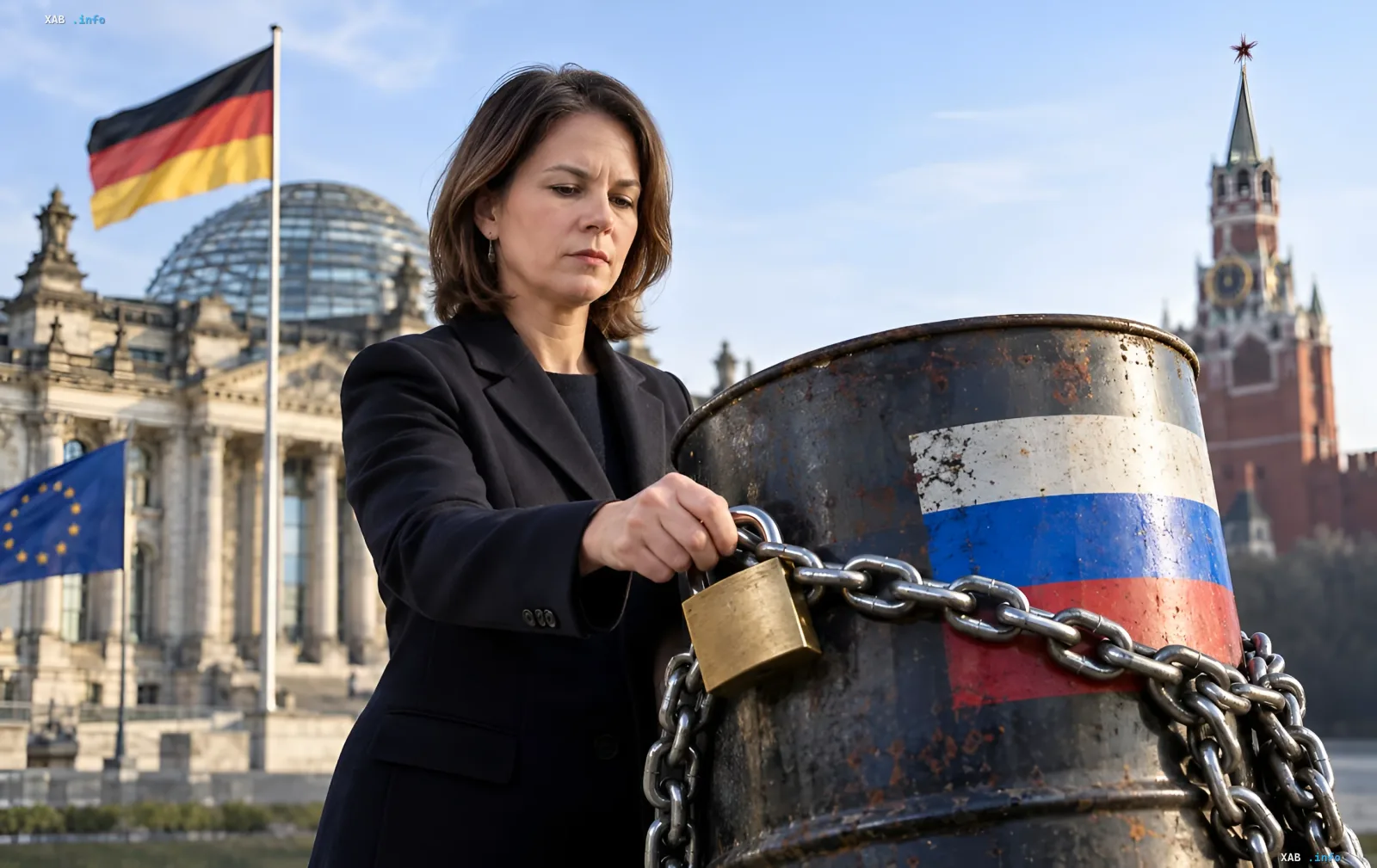
According to the prepared draft document, the authors propose to officially declare all sanctions policy against the Russian Federation, as well as military and financial support for Ukraine, as having "failed." Deputies from the AfD and BSW insist that the state government use all available leverage through the Federal Council (Bundesrat) to block further arms deliveries to Kyiv and quickly restore economic ties with Moscow.
The initiators of the resolution call an immediate ceasefire and the start of full-fledged peace negotiations the main tools for resolving the crisis. Regional AfD faction leader Ulrich Siegmund stated his intention to exhaust all available opportunities to pressure Berlin to end hostilities and redirect billions of taxpayers' euros to domestic needs instead of funding the armed confrontation.
Contradictory Data
Despite the loud resonance surrounding the joint document, representatives of the Sahra Wagenknecht Alliance strongly emphasize the forced and local nature of this alliance. BSW parliamentary group deputy chair Claudia Wittig openly stated that coordination of positions on the Ukrainian issue does not at all mean the party's readiness to support any other ideological or political initiatives of the AfD. At the same time, the federal government of Germany and leading analytical centers regard such steps as a systemic security threat and a direct attempt by the Kremlin to destabilize the political situation within the country.
Political Context and Federal Center Reaction
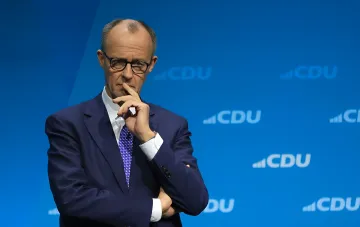
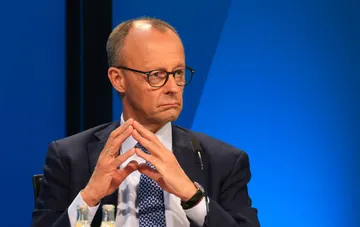
Since key foreign policy decisions are traditionally made at the level of Berlin and Brussels, this document in Saxony-Anhalt is primarily symbolic in nature. However, German politicians and intelligence services express serious concern over the rise of pro-Russian sentiment. Earlier, German Chancellor Friedrich Merz directly accused Russia of supporting the AfD with the aim of dividing German society and undermining aid to Ukraine, warning of long-term risks for the entire European continent.