On August 12, 2026, it was announced that a large-scale naval coalition under the auspices of Saudi Arabia had been formed, uniting 14 states to counter threats from the Houthis in the Red Sea and the Bab el-Mandeb strait. The alliance, headquartered in Riyadh, aims to restore shipping safety, which has been disrupted by a months-long blockade initiated by rebels from Yemen.
Alliance structure and key players
The coalition includes Bahrain, Bangladesh, the Comoros, Djibouti, Egypt, Jordan, Kuwait, Pakistan, Qatar, Saudi Arabia, Somalia, Sudan, Turkey, and the Yemeni government. The statement also mentions the participation of Eritrea, which is particularly important given its geographical location at the entrance to the Red Sea. The core of the alliance consists of Egypt and Saudi Arabia — countries with the most powerful naval fleets in the region. Turkey and Pakistan make a significant contribution with their frigates and destroyers, while smaller states, such as Djibouti or the Comoros, are limited to basic coastal defense and logistical support.
Reasons for creating the coalition: blockade and threat of isolation
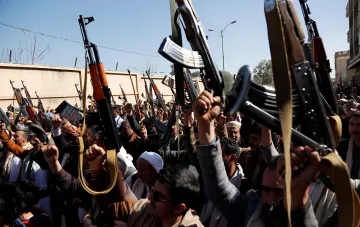
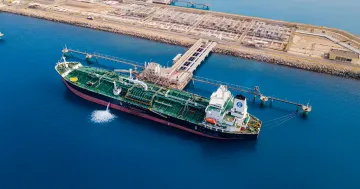
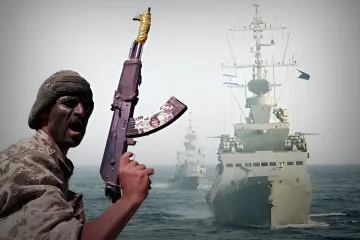
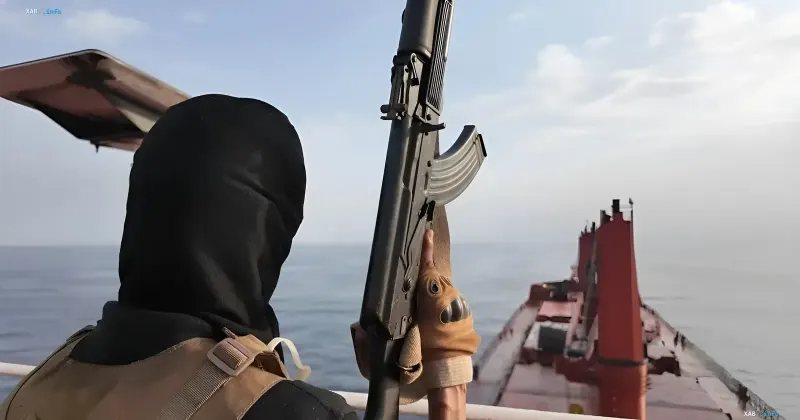
The formation of the alliance is a direct response to the actions of the Houthis, who have systematically attacked commercial ships linked to Saudi Arabia and Israel since 2023. According to international maritime organizations, shipping through the Bab el-Mandeb strait has decreased by approximately 20%, dealing a serious blow to global logistics. The Houthis, receiving support from Iran's Islamic Revolutionary Guard Corps, are stockpiling ballistic missiles and drones, threatening complete maritime isolation of the region. The coalition aims not only to protect commercial vessels but also to intercept illegal arms shipments through Eritrea and Sudan, which are used as transit points for the Houthis and the Al-Shabaab and Islamic State groups in Somalia.
Contradictory data
Despite the official statement of solidarity, there are serious disagreements regarding the composition and effectiveness of the coalition. The UAE, which possesses significant naval capabilities, is not included in the structure due to a long-standing regional conflict with Saudi Arabia related to the war in Sudan and the struggle for influence in Yemen and Somalia. Furthermore, the UAE has lost access to some of its bases on Yemeni islands near the Bab el-Mandeb strait and in northern Somalia, weakening its ability to participate in joint operations. It also remains unclear how the new alliance will coordinate its actions with Western missions, including Task Force 153 under Egyptian command and the European Union's Operation Aspides, which has been escorting commercial ships since February 2024.
Absence of Israel and geopolitical consequences
Interestingly, Israel, despite being officially considered an enemy by Houthi forces, is absent from the list of participating countries. Saudi Arabia has frozen the normalization process under the Abraham Accords due to conflicts in Gaza, Lebanon, and Syria, as well as Israel's recognition of the self-proclaimed Somaliland. This decision reflects the complex geopolitical situation in the region, where countries' interests often intersect and contradict each other. Thus, the coalition represents Saudi Arabia's attempt to strengthen its leadership in the region without entering into direct conflict with Israel, but also without ignoring its role in regional security.
Prospects and challenges for the coalition
For African naval forces, such as Djibouti, Eritrea, Somalia, and Sudan, which lack destroyers and frigates, operational groups would become a cornerstone in the fight against piracy and smuggling. However, the success of the coalition depends on the ability of participating countries to coordinate their actions and overcome internal disagreements. Moreover, the Houthis, receiving support from Iran, may respond to the creation of the coalition with a "full-scale escalation," which would further exacerbate the situation in the region. Ultimately, the coalition represents an important step towards restoring security in the Red Sea, but its effectiveness will depend on the ability of participating countries to overcome geopolitical and military challenges.