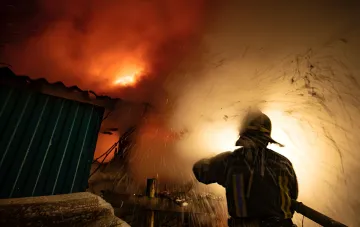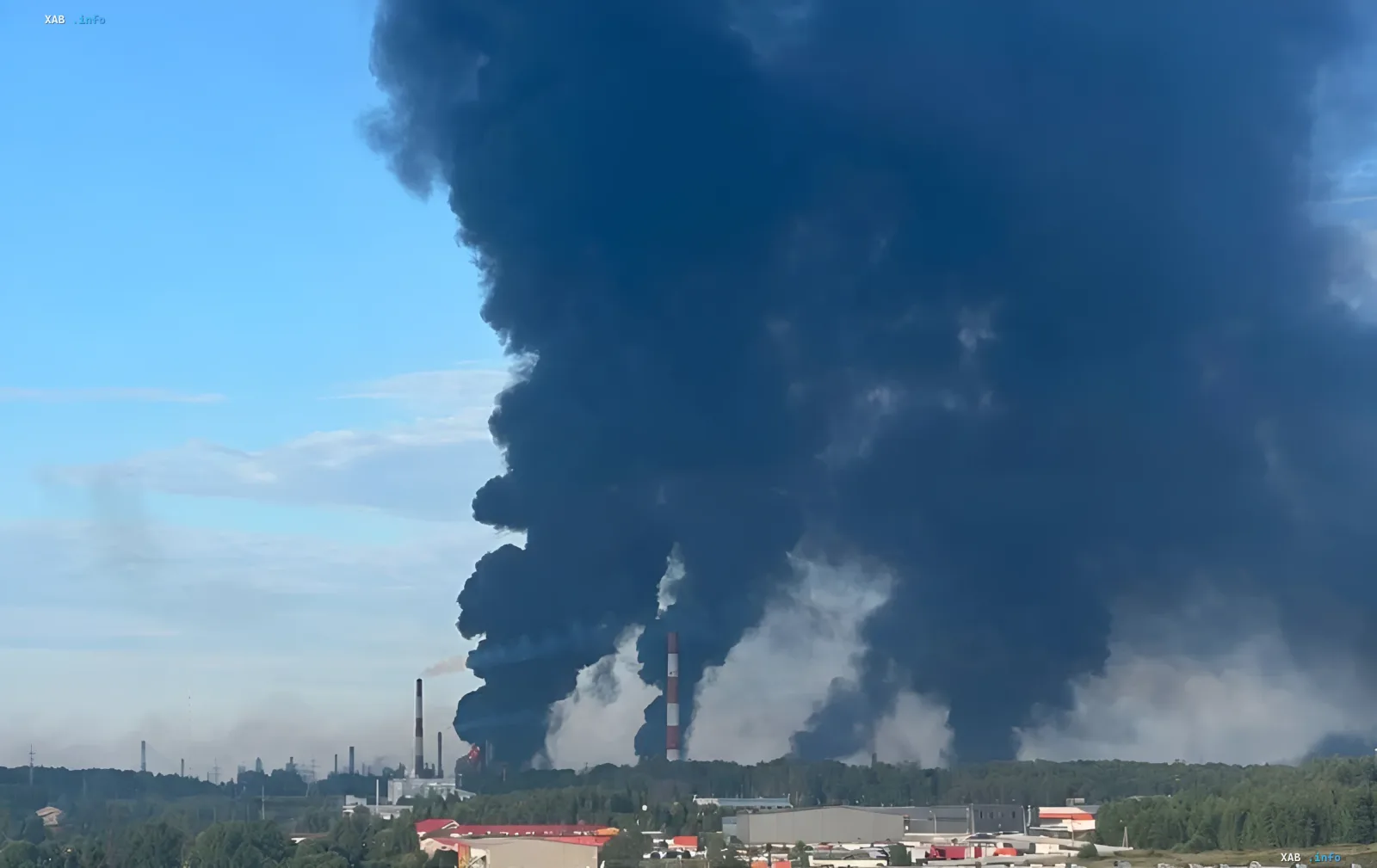
On the night of August 6, 2026, Ukrainian defense forces carried out a large-scale synchronized operation, striking key Russian infrastructure objects in the deep rear and on occupied territories. The Security Service of Ukraine (SBU) officially confirmed attacks on an oil refinery in the Yaroslavl region and military vessels in the port of Kerch.
Strike on the energy giant in Yaroslavl
The central event of the operation was the attack on the Yaroslavl Oil Refinery (YANOS), part of the Slavneft structure. Located more than 700 kilometers from the Ukrainian state border, the enterprise is one of the five largest in Russia's oil refining industry, with an annual processing capacity of nearly 15 million tons of oil. According to the SBU, at least six powerful explosions occurred on the plant's territory, causing large-scale fires in four different production zones.
As a result of drone strikes, critically important technological units — the ELOU-1 and AVT-3 units — were damaged. The pillars of fire rising above the plant were visible from tens of kilometers away, as confirmed by visual materials that appeared in the public domain. Damage to these units could significantly reduce the production volumes of gasoline and diesel fuel, which are subsequently supplied to the domestic Russian market.
Attack on the FSB Coast Guard fleet in Kerch
Parallel to the strike on the industrial facility in central Russia, SBU units attacked objects in the port of Kerch on the temporarily occupied Crimean peninsula. The target of the strike was the vessels of the Federal Security Service (FSB) Coast Guard. Preliminary data indicates that two patrol ships of Project 10410 (known as "Svetlyak") were damaged. These vessels are used for patrolling the waters, monitoring border regime compliance, and ensuring the security of maritime communications.
Contradictory data
Although the SBU officially confirmed the fact of the strikes and the presence of fires, details regarding the extent of the damage and the exact status of the affected objects remain a subject of discussion. Russian sources, including regional emergency services, initially reported "local fires" and "liquidation of consequences," but did not provide detailed information about the disabling of specific ELOU-1 and AVT-3 units. At the same time, independent observers and satellite imagery record large-scale smoke, confirming the Ukrainian side's version of serious damage to infrastructure.
Strategic context of operations
These attacks are a continuation of a series of strikes carried out by the SBU last week against Russian military-industrial complex enterprises, fuel and energy infrastructure, and logistics hubs. The August 6 operation demonstrates the ability of Ukrainian forces to strike targets at a significant distance from the front line, hitting objects critical to the enemy's economy and defense capabilities. Strikes on the Yaroslavl refinery and ships in Kerch create a double effect: economic damage and a weakening of maritime control in the Black Sea.