On the night of August 8, 2026, Russian industrial infrastructure was subjected to a large-scale attack by unmanned aerial vehicles. As a result of strikes on two strategically important regions — the Samara region and the Krasnodar Krai — large-scale fires broke out at oil refineries (ORs). The incident confirmed the vulnerability of the Russian energy sector in the face of ongoing sabotage activity.
Situation in the Samara region: Attack on Syzran Refinery
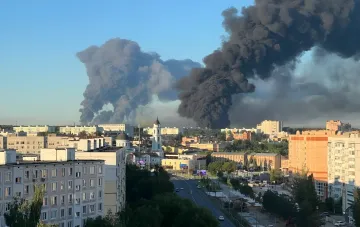
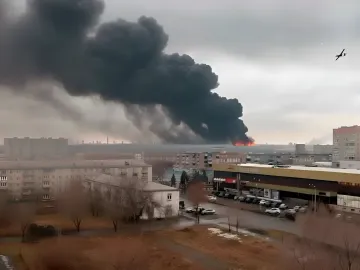
One of the main targets of the attack was a large oil refinery in the city of Syzran. The first reports of the fire appeared in local public pages and Telegram channels long before the official statements by the authorities. According to eyewitnesses, the strike hit the area of the HCU (hydrocracking unit) and oil storage tanks. In the footage circulated on social media, the red glow and thick black smoke enveloping the industrial zone are clearly visible.
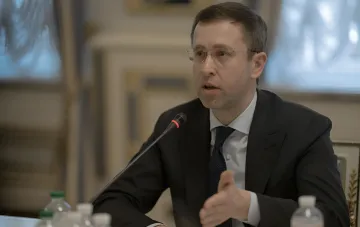
The Governor of the Samara region, Vyacheslav Fedorishchev, officially confirmed the fact of the shelling. In his Telegram channel, he wrote: "One of the industrial enterprises of the Samara region was attacked by enemy drones tonight. At the moment, the consequences are being eliminated. Operational services are working at the site of the drone falls. Information about the injured is being clarified." Currently, exact data on material damage and production stoppage are not published.
Krasnodar Krai: Fire at Ilysky Refinery
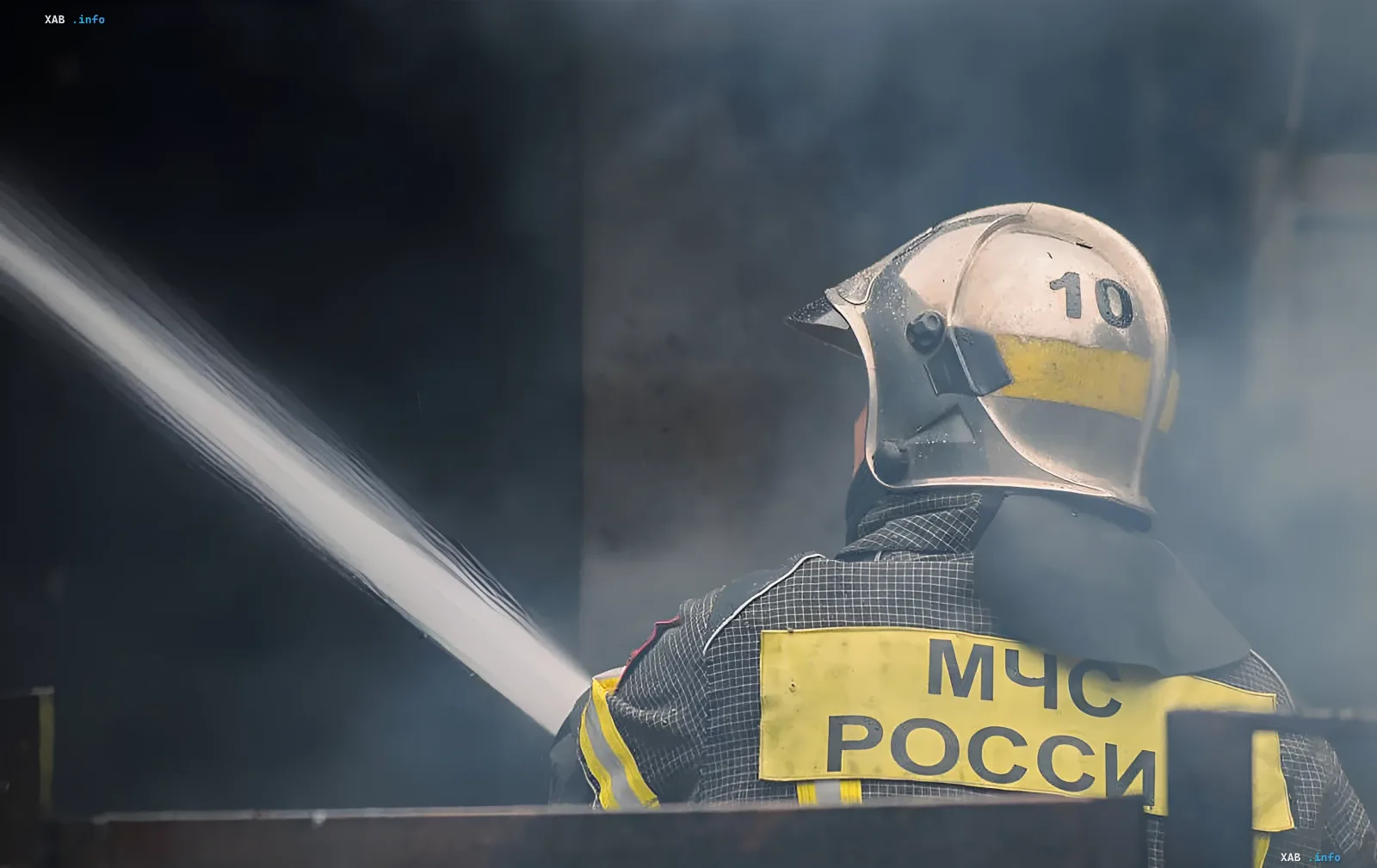
Parallel to the events in Syzran, drone strikes were also recorded in the Krasnodar Krai. The regional operational headquarters confirmed the incident at the Ilysky Refinery. According to official information, debris from drones fell on the plant, which led to a fire. Russian rescuers, shown in photos from the scene, continue to work to localize the fire. The situation remains tense, as the Ilysky Refinery is a key object in the oil refining system of southern Russia.
Impact on the fuel market and exports
The series of attacks on refineries in August 2026 has once again exacerbated the issue of fuel shortage in the Russian domestic market. Many gas stations are experiencing a shortage of gasoline, and where it is sold, prices are artificially inflated. Experts note that Russia can no longer rely on stable oil exports, as logistics chains and production capacities regularly become targets. At the same time, paradoxically, the aggressor has to purchase fuel abroad, including from friendly countries such as Belarus, to keep the war machine running.
Contradictory data
There is a discrepancy between data from independent sources and official statements by the authorities. Local residents and Telegram channels report the direct destruction of critically important units (HCU) and tanks in Syzran, which implies a serious threat to the environment and a long-term production stoppage. At the same time, Governor Fedorishchev uses general formulations such as "elimination of consequences" and does not comment on the status of the plant's operation. There is also no single version regarding the number of drones shot down and the exact time the fires started, which makes it difficult to operationally assess the scale of the disaster.