The Sea of Azov, which for years served as a safe haven for Russia and a link to the world ocean, has found itself in the midst of active warfare. A series of large-scale Ukrainian drone attacks this week has forced Moscow to suspend vessel traffic along this key waterway, significantly limiting the Kremlin's ability to trade with the rest of the world.
Scale of Attacks and Fleet Losses
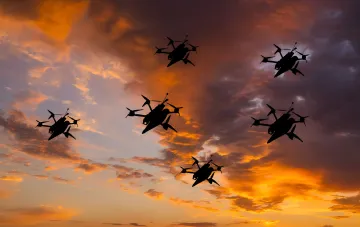
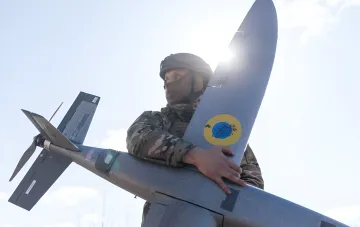
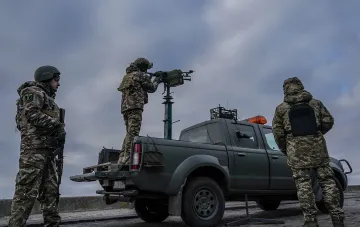
The situation in the region has changed drastically due to the actions of Ukraine's Unmanned Systems Forces (USF). Robert "Madjar" Brovdi, commander of the USF, summarized the successful operation on July 15. According to him, in just the last nine days, Ukrainian drones have damaged 116 Russian vessels in the Sea of Azov.
Operational statistics confirm the intensity of the strikes:
- On July 12, the USF conducted a successful night operation, striking 14 Russian vessels at once in the Sea of Azov and near occupied Crimea.
- During July 13, unmanned systems forces struck or destroyed 1,559 unique targets of the Russian army, including 15 enemy vessels.
- USF fighters also killed or wounded 311 Russian occupiers.
Strike on the "Shadow Fleet" and Grain
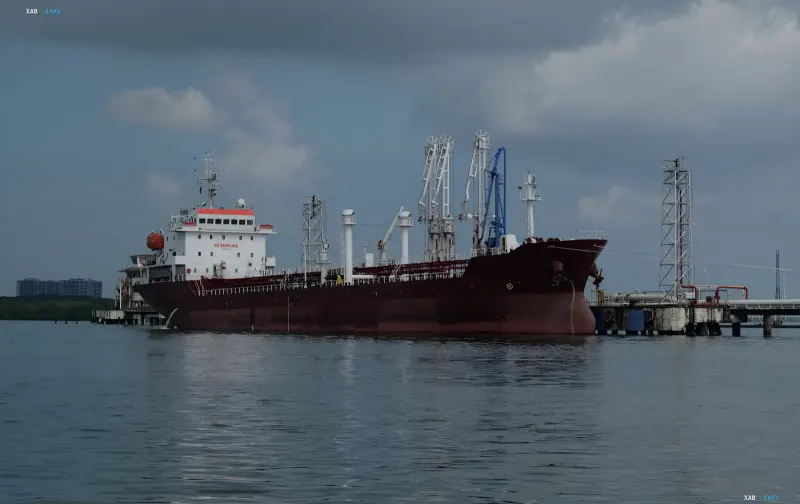
The Ukrainian campaign is aimed not only at military targets. Kyiv is attacking Russia's "shadow fleet" of oil tankers transporting sanctioned fuel. However, the consequences of blocking the Sea of Azov go far beyond the oil sector and affect exports not subject to sanctions — specifically, supplies of wheat and sunflower oil.
The Institute for the Study of War (ISW) notes that Ukrainian strikes in the Sea of Azov represent a new phase in efforts to isolate occupied Crimea from Russia's logistical network and disrupt maritime shipping routes.
Risks to the global food market are real. According to the Foreign Agricultural Service of the U.S. Department of Agriculture, Russia exports about 20% of the world's grain. Andrey Sizov, a leading analyst of Black Sea agricultural markets, clarifies that approximately 25% of Russia's wheat exports are shipped specifically through the Sea of Azov.
Economic Consequences and Moscow's Reaction
The crisis in the region has already affected the exchanges: wheat futures prices have risen in recent days, partly due to logistical problems in the Sea of Azov. Moscow claims it can redirect all grain exports through other terminals in the Black Sea. However, experts like Sizov doubt the feasibility of implementing this plan during the peak season.
The official reaction from the Kremlin was harsh. Russian Foreign Minister Sergey Lavrov called Kyiv's campaign in the Sea of Azov an act that "goes beyond even piracy." According to him, pirates rob and keep the loot for themselves, whereas here the goal is simply to cause harm and intimidate. Lavrov characterized Ukraine's actions as terrorism.
At the same time, Ukraine insists that it is striking exclusively military targets, aiming to paralyze the enemy's logistics and protect its borders.