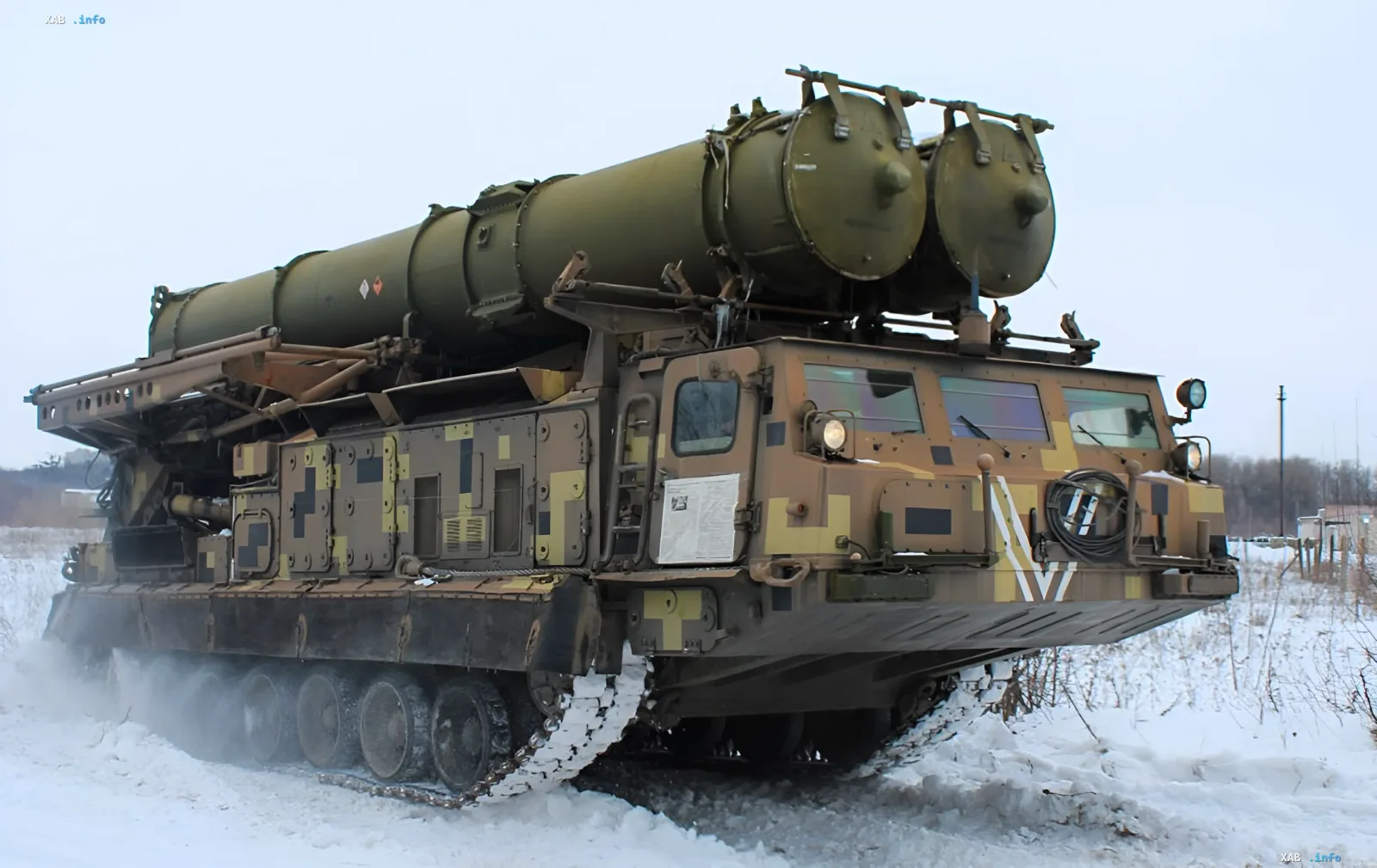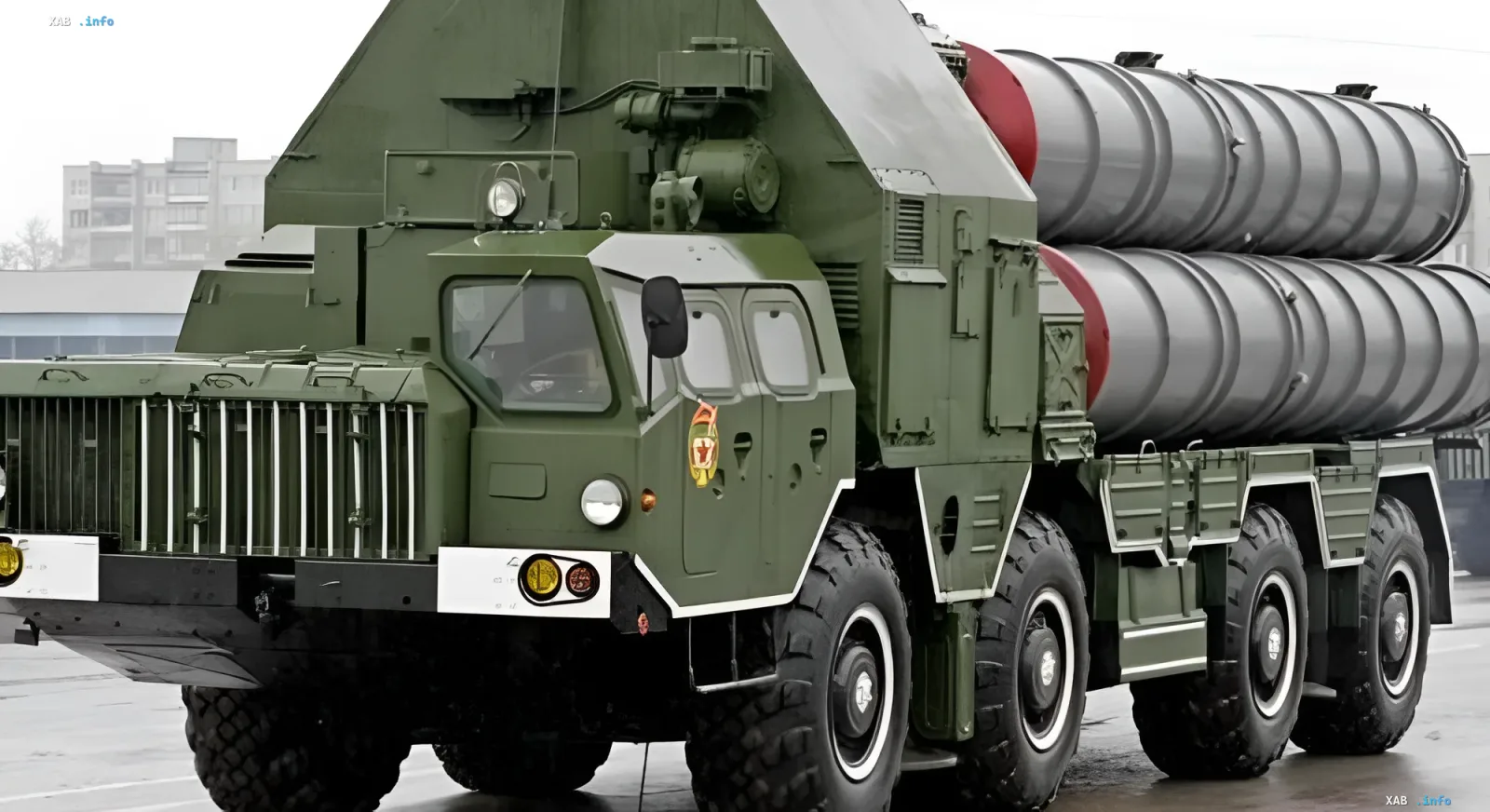
In the context of the ongoing conflict, the Russian side is actively changing its tactics for employing weaponry. As has become known, S-400 air defense missile systems, intended for protection against air attacks, are being used not only for their direct purpose but also to strike Ukrainian territory. This maneuver creates serious problems for Ukrainian intelligence and requires new approaches to countermeasures.
The Element of Surprise: Air Defense as Offensive Weaponry
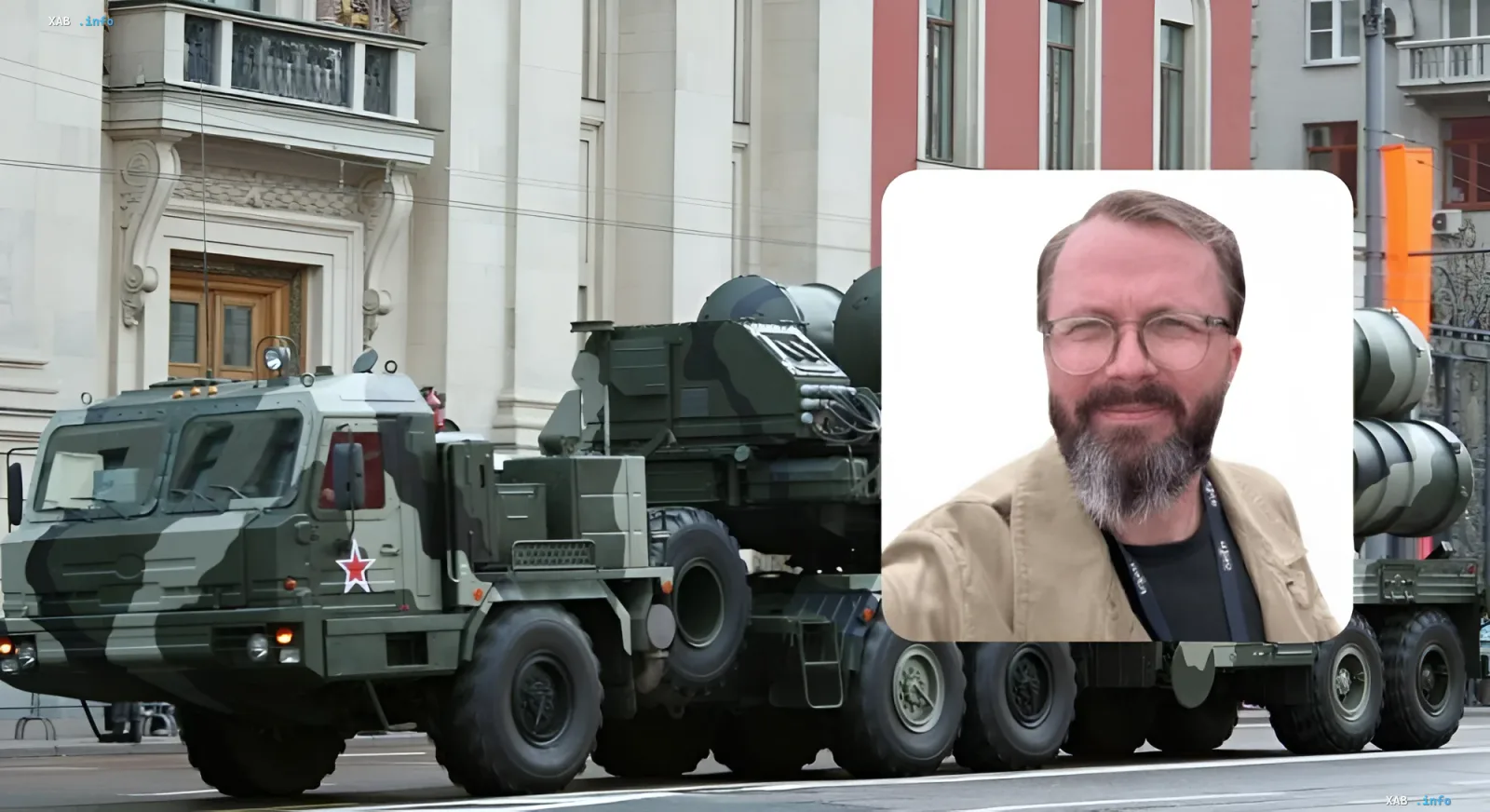
The key factor allowing Russia to successfully employ air defense systems for attacks is the element of surprise. This was stated by Anatoliy Khrapchynsky, Director of Development at a defense enterprise and a Reserve Air Force officer, in a comment to UNIAN.
The situation differs radically from the use of specialized missile complexes like the Iskander. When an Iskander moves to a launch line, its activity is easily tracked. However, the S-400 remains in constant combat mode, engaging air targets flying towards Russian territory. In such a situation, one of the launchers can turn around and fire a missile at Ukraine, remaining invisible to the enemy until the moment of launch.
"The enemy uses classic air defense systems, but delivers the strike thanks to the element of surprise," the expert explained.
Detection Challenges and the Role of Satellites
Intelligence data is critical for the effective destruction of S-400 launchers. According to Khrapchynsky, the Ukrainian Defense Forces know the location of the enemy's main air defense lines and are actively working on their neutralization, but the task is complicated by the mobility of the systems.
To intercept a launcher at the moment it changes position after a launch, satellite intelligence data is required. Without them, tracking the movement of the equipment is practically impossible. The possibility of using reconnaissance drones on enemy territory is also being considered, although Russia is actively hunting for Ukrainian aviation, attempting to intercept them.
Electronic intelligence also plays an important role. Air defense systems such as the S-400, S-300, Pantsir, and Tor emit specific signals when their radar equipment is operating. This allows for determining their location, but does not always provide the opportunity to strike before the complex uses its weapons.
Limitations from Western Partners
The situation is exacerbated by restrictions imposed by Western partners. Anatoliy Khrapchynsky noted that there are opportunities to obtain intelligence data on the territory of temporarily occupied regions of Ukraine, including for allies. However, Western countries restrict access to certain information, fearing an escalation of the conflict.
"Our Western partners still restrict us from accessing certain information so as not to exacerbate the escalation, as they like to call it," the expert concluded.
Real Results and Data Sources
Despite the difficulties, Ukrainian troops continue to strike air defense infrastructure. On the night of July 13, Defense Force units struck the "Nebo-U" radar station and an S-400 launcher in the Kerch area of temporarily occupied Crimea.
Ukrainian Minister of Defense Advisor Serhiy (Flash) Baskrestnov explained that information about launches comes from partners. The main source of data is satellite observation of launch points and systems for recording launch facts. This explains cases where the air raid alarm signal triggers only after the missile arrives, or conversely, an alarm is declared without a subsequent strike.