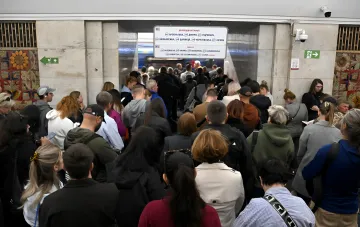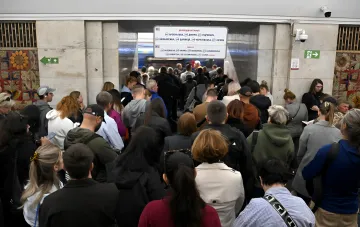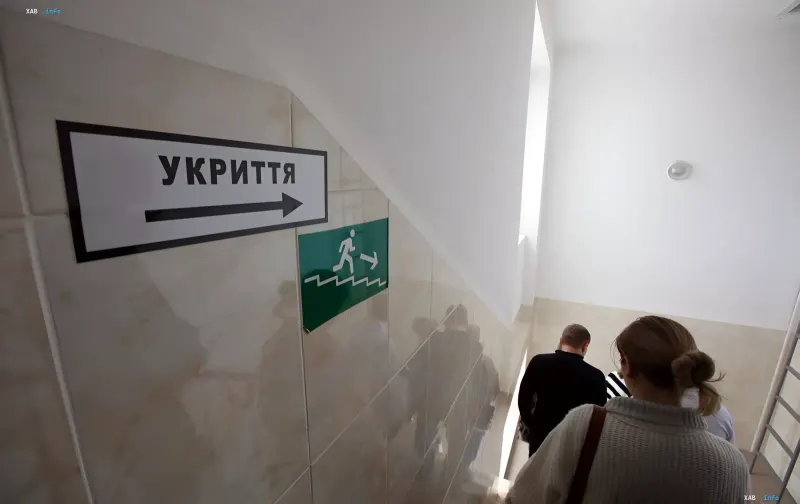
On the night of October 19, 2026, Russian forces struck Kyiv with ballistic missiles for the second time in a few hours. Explosions rang out across the capital, as reported by the Air Force of the Armed Forces of Ukraine and the Kyiv City State Administration. According to RBC-Ukraine, prior to the strike, the Air Force had warned of the threat of ballistic weapons targeting the capital, after which explosions were recorded in the city. Kyiv residents were urged to remain in shelters until the air raid alert was lifted.
Chronology of the two strike waves
The first ballistic missile attack on Kyiv occurred late in the evening on October 18. According to preliminary data, one missile hit a medical center building in the Desnianskyi district, and another hit a non-residential building in the Dniprovskyi district. As a result of the first strike, according to authorities, one person was killed and two were injured. The second wave followed overnight on October 19, indicating the adversary's attempt to deliver strikes within compressed time intervals.
Authorities' reaction and calls for shelter
The Kyiv City State Administration and the Air Force informed residents in real-time about the threat and recommended staying in shelters until the official all-clear signal. Such appeals are standard practice during ballistic missile attacks, when the time from warning to impact is minimal and does not allow for quickly leaving open spaces.
Air defense shortage: CNN reports and Zelenskyy's statements
Against the backdrop of repeated ballistic strikes on the capital, the issue of air defense capabilities is once again coming to the forefront. According to CNN, Ukraine has once again run out of missiles for Patriot systems. President Volodymyr Zelenskyy reportedly stated that the US is currently supplying only 12 such missiles per month—roughly four times fewer than under the Biden administration. These figures indicate a decline in the supply rate of a key air defense component, which, according to experts, reduces the ability to intercept ballistic threats.
Context: A series of ballistic strikes on the capital
Ballistic missile strikes on Kyiv in 2026 have been recurrent. For instance, on the night of September 24, a ballistic strike on the capital was reported, resulting in fatalities and building damage, including a parking lot near a medical facility in the Podilskyi district. The repetition of this scenario on the night of October 19—already the second strike within a few hours—underscores the adversary's consistent tactic of launching a series of missile strikes within a single day.