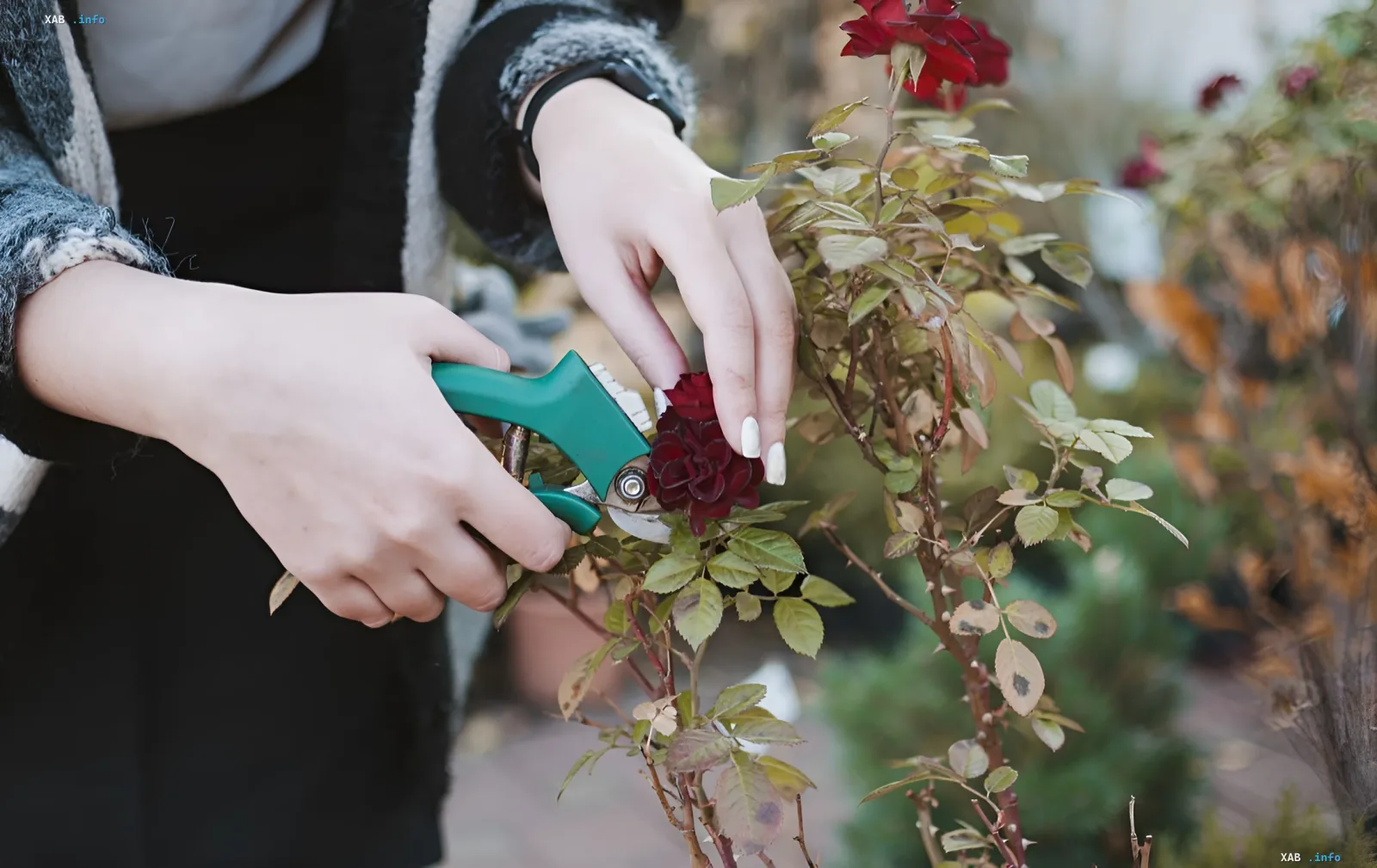
In August 2026, as the summer season approaches its logical conclusion, gardeners around the world are thinking about preparing their flower beds for the upcoming season. Regular pruning of roses remains one of the most critical procedures in caring for these plants. It is not just an aesthetic manipulation to form a beautiful bush, but a powerful agronomic tool that stimulates active growth of new shoots, rejuvenates the plant, and serves as reliable protection against fungal diseases. Experts emphasize that it is precisely competent pruning that determines the abundance of flowering in the next year.
Tools as a guarantee of plant health
The success of the pruning procedure largely depends on the quality of the equipment used. Using dull, rusty, or dirty secateurs can lead to irreversible consequences: instead of a clean cut, the plant receives crushed tissue, which becomes ideal gateways for infections. Styler experts warn that infection through a poor-quality cut can lead to the subsequent death of the entire bush. Therefore, before starting work, it is necessary to ensure that the tool is sharp, clean, and preferably disinfected.
Technique of the ideal cut: bud direction
To avoid injuring the rose and ensure the correct growth of new shoots, it is necessary to follow the technique of the ideal cut. This is a fundamental rule that every flower garden owner must remember. The shoot should be cut exclusively above a bud that "looks" outward from the bush, not inward. This technique allows you to form an open crown that is well ventilated and evenly illuminated by the sun. If you cut above a bud directed inward, new shoots will grow into the depths of the bush, creating shade and dampness, which provokes diseases.
Variety of approaches to different types of roses
It is important to understand that there is no universal recipe for all roses. As specialists note, different types of roses require different pruning approaches. For example, tea-hybrid varieties, floribundas, and climbing roses have their own nuances of formation. While some varieties require radical shortening to stimulate powerful shoots, others, such as some types of groundcover roses, need more delicate correction. Ignoring the biological features of a specific variety can render all the gardener's efforts futile.
Contradictory data
There are still debates in the gardening community about the necessity and timing of autumn pruning. While some sources insist that autumn pruning before winter is mandatory for preparation for cold weather and prevention of freezing, other experts, including materials from 2026 sources, put a "fat dot" to this issue, recommending to postpone the main work until spring. Proponents of spring pruning argue that wounds cut in autumn do not have time to heal before the frosts, which makes the bush vulnerable. However, proponents of the autumn procedure claim that it is necessary to remove weak shoots and reduce the load on the plant during the dormant period. This contradiction requires the gardener to take into account the specific climatic conditions of the region.