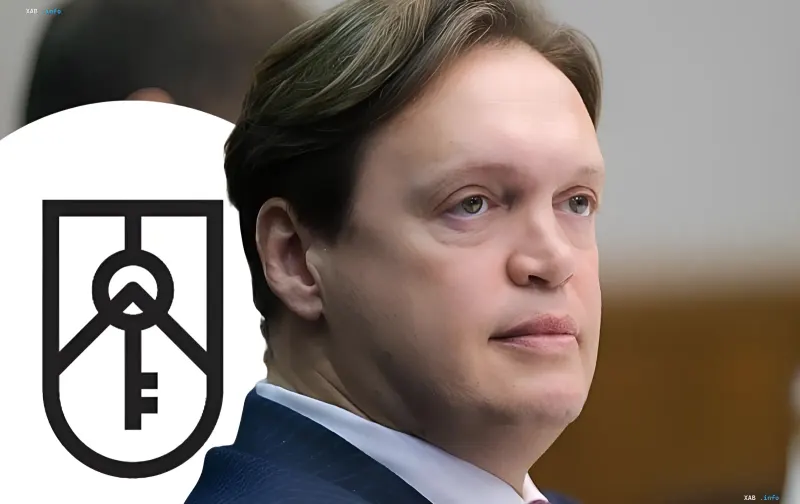
New controversial questions have arisen in the high-profile case of Dmytro Sennichenko, the former head of the State Property Fund of Ukraine, concerning possible hidden motives and the scale of state expenditures. The expert community and the defense are actively discussing the feasibility of massive budgetary investments in a multi-year anti-corruption investigation, which critics argue could have been used to redistribute spheres of influence in the country's strategic enterprises.
Administrative Module and the Battle for Assets
As blogger Mykhailo Shнайder notes in his public publication, the so-called "administrative module" features prominently in the materials and public space surrounding the case. A legitimate question arises as to whether state resources could have been used to solve narrow commercial tasks and redistribute control over such giants as the Odesa Portside Plant (OPP) and the United Mining and Chemical Company (UMCC). The defense points to a memorandum dated June 14, 2021, which allegedly describes the distribution of future income between specific individuals and mysterious representatives of the module.
Defense Position and Financial Claims
According to estimates by the defense lawyers of the ex-head of the SPF, hundreds of millions of hryvnias from the state budget may have been spent on the ongoing investigation and related procedural actions. The defense insists on the complete absence of a criminal offense in the actions of the accused and links the criminal prosecution itself to an attempt to resolve long-standing corporate conflicts.
Contradictory Data
While NABU and SAPO incriminate the defendants in seizing state assets and legalizing funds totaling over 10 billion hryvnias, with enterprise losses estimated at more than 700 million hryvnias, the defense questions the objectivity of key prosecution witnesses. In particular, questions are raised by the plea bargain concluded by Serhiy Bayrak, whose testimony, according to lawyers, requires detailed verification regarding personal motives and coordination. The official investigation, on the contrary, relies on international warrants, seizures of elite property abroad, and testimonies of key participants.
Judicial Prospects
In September 2026, the High Anti-Corruption Court of Ukraine (HACC) held the first preliminary hearing in this case, with the next one scheduled for October 2. Recall that Dmytro Sennichenko was declared wanted internationally back in April 2023, and the court sanctioned his arrest in absentia in May 2024, emphasizing the protracted and complex nature of this large-scale proceeding.