The end of summer is no reason to put your gardening tools away until spring. On the contrary, September is considered one of the best windows for sowing frost-hardy crops that thrive in cooler temperatures and can keep supplying the gardener with a fresh harvest well into late autumn. This is reported by the entertainment project Styler (RBC-Ukraine), citing the British publication Daily Express. Landscape design expert at Caragh Nurseries, Joe McGarr, highlighted four vegetable varieties that can still deliver a generous harvest if planted at just the right time.
Spinach: Low-Maintenance Greens Right Up Until Winter
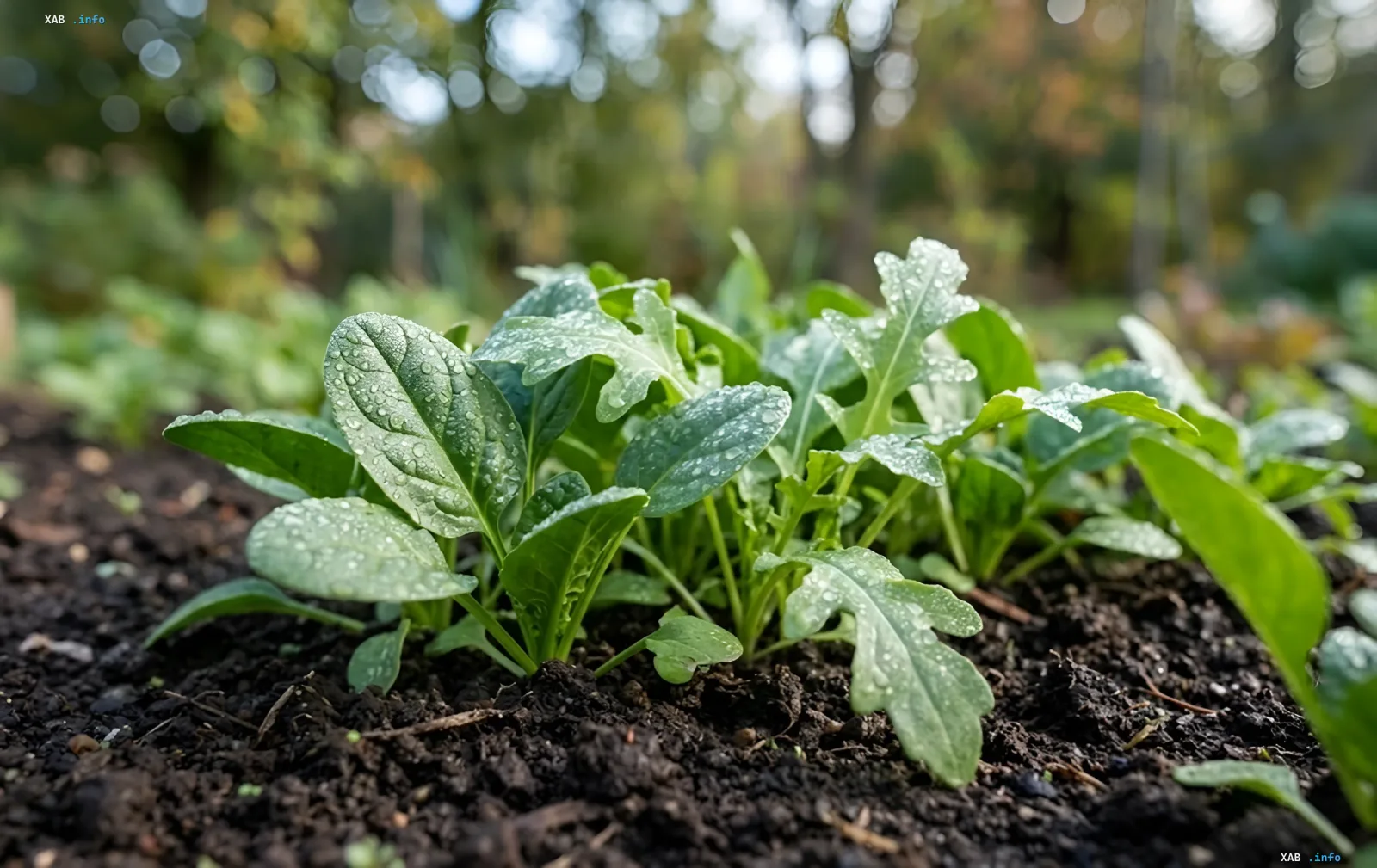
First on the list is spinach. This crop is entirely unpretentious about cool weather and thrives on autumn beds. If you choose frost-hardy varieties, you can harvest fresh leaves throughout the entire autumn. In mild conditions and with the right placement, some plants continue to produce even after winter sets in, making spinach one of the most reliable options for late sowing.
Arugula: A Quick, Peppery Harvest
The second crop is the popular peppery green, arugula. It grows very quickly, allowing you to get a full autumn harvest in the shortest possible time. As temperatures drop significantly, arugula's growth will slow down, however, sowing it in a cozy, sheltered spot from cold winds — for example, against a house wall or fence — will significantly extend its season and preserve the characteristic sharp taste of the leaves.
Shallots: A Compact Crop for Empty Gaps
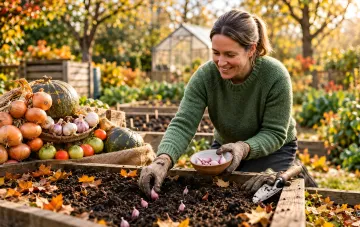
The third recommendation is shallots. This is an ideal compact crop that is very convenient to plant in the empty gaps left on the bed after harvesting summer vegetables. September planting gives the bulbs enough time to root firmly and strengthen before the real cold locks the ground, meaning they will be well prepared by spring.
Lettuce: Crisp Leaves in the Cold Months
The fourth crop is lettuce, an excellent choice for those who want to have fresh, crisp leaves on hand even in the cold months. Experts advise planting it in sheltered spots and using the cut-and-come-again method: instead of pulling the plant out by the root, simply pick off the required number of outer leaves for your current meal. This way the plant continues to grow and produce for longer.
Frost Protection: Agrofibre the Charles Dowding Way
To reliably protect September sowings from the sudden night frosts typical of autumn, you should prepare a light white agrofibre in advance. The renowned British expert on year-round vegetable growing and founder of the No-Dig organic gardening method, Charles Dowding, advises always using garden fleece. In his words, it is "the simplest way to fool the weather": agrofibre lets air and moisture through without forming destructive condensation, yet it retains the heat rising from the ground warmed during the day. Covering young sowings at night creates the effect of a breathing mini-greenhouse, capable of protecting delicate greens from short-term temperature drops down to −3 °C. This is an elementary step that will extend the life of the autumn garden by at least three to four weeks.