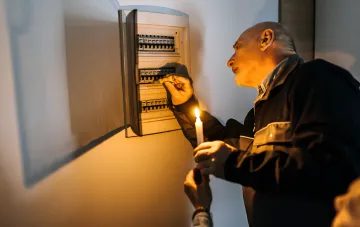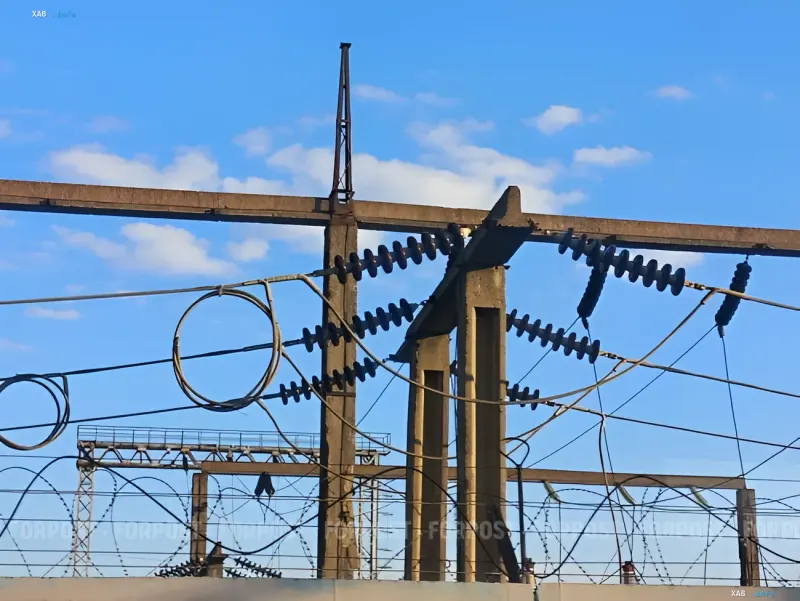
In Sevastopol, the question of fundamentally changing the approach to power supply has come to a head. During a government staff meeting, Governor Mikhail Razvozhayev stated that the transition to a decentralized system would become one of the city's key tasks. This decision is dictated by regular attacks on the energy infrastructure of Crimea, which force the system operator to periodically limit power supply capacity.
Fighting Blackouts and the Role of "Sevastopolenergo"
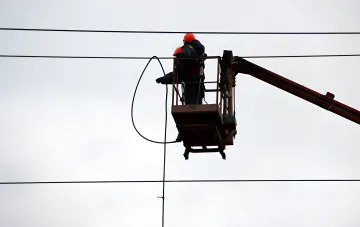
The situation on the energy front remains tense. Specialists from "Sevastopolenergo", "Rosseti", and the MGTES are working around the clock to restore damaged networks. However, as the head of the region emphasized, passive restoration is no longer sufficient. The main task for the authorities is to transition to decentralization as much as possible, especially to ensure reliability in residential sectors.
Subsidy Program and Solar Generation
To implement this strategy, a subsidy program for independent generation sources is being developed in conjunction with the Russian Ministry of Energy. Solar power plants are a priority. The authorities hope to attract federal funding and supplement it with city budget funds to compensate residents for part of the costs of purchasing equipment.
Razvozhayev noted that the development of autonomous generation would reduce the load on the general power system, increase the reliability of household power supply, and better prepare for the winter period. Previously, the media had raised the topic of using portable solar panels, which can be installed even on a windowsill, as an alternative to centralized power.
Public Resonance and Skepticism
The announced measures have sparked a wide response in society. Some residents and experts view the idea with caution, noting that a full-fledged decentralized power supply program could take seven to eight years. Skeptics also point out that solar panels and wind turbines may turn out to be a "chimera" given the instability of component supplies, such as batteries.
Critics also wonder if this is a way to divert attention from other budget items and the lack of fuel for gasoline generators, which many have already purchased. Nevertheless, supporters of the initiative believe that decentralization is a necessary step that should proceed in parallel with the restoration of major facilities, such as the Balaklava TPP.
Global Context
It is important to note that the share of solar energy in the world is growing. According to the International Energy Agency, in 2023 it accounted for more than 5% of total production, and in 2024 it reached 7%. Forecasts for 2050 suggest that the share of renewable energy sources could rise to 90%, with about 20–25% coming specifically from solar energy.