A Night Without Light: How the Attack Changed the City's Rhythm
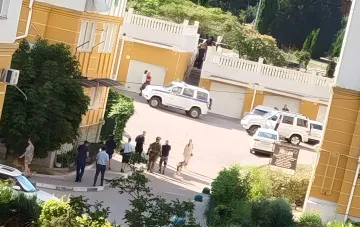
The night of August 13, 2026, became a test of resilience for Sevastopol. In the early morning hours, the city was plunged into darkness — a mass power outage occurred as a result of an attack on the energy infrastructure. Residents woke up in conditions reminiscent of times of deep deficit: without light, with elevator malfunctions and water supply interruptions. Air raid sirens, declared twice during the night, heightened anxiety and forced many to take shelter in basements and bomb shelters.
According to Governor Mikhail Razvozhayev, a special operational mode was introduced for emergency services in the city. Energy workers, firefighters, and medical personnel worked in an intensified mode to minimize the consequences of the attack. By morning, the situation began to stabilize: some districts were switched to backup power schemes, but full restoration of the energy system is not expected until several days later.
Which Districts Remained Without Power and What the Authorities Are Doing
By the morning of August 13, electricity supply was partially restored in the central and residential districts of the city. Priority was given to restoring power to the Korabelnaya side, the Strelets Bay area, as well as Victory Avenue and General Ostryakova Avenue. Khristaleva Street and General Zhidilov Street were also connected to temporary power schemes.
However, a significant part of the city continues to operate in power-saving mode. Authorities are urging residents to minimize the load on the power grid: turn off unnecessary appliances, use natural lighting, and limit the operation of air conditioners and heating devices. Energy workers are working around the clock to restore damaged lines and substations.
Contradictory Data
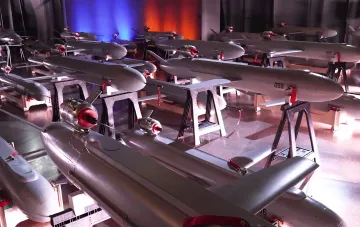
While local authorities characterize the incident as the result of an attack by unmanned aerial vehicles, official representatives of the Ukrainian military command are refraining from comments. At the same time, open sources are reporting that the attack could be part of a larger operation to strike critical infrastructure objects across the entire territory of Crimea.
According to some sources, power outages have been recorded not only in Sevastopol but also in other cities on the peninsula. This confirms the version of a coordinated strike on the region's energy system. However, the exact details and scale of the attack remain a subject of debate and require independent verification.
Legal Status and International Context
According to international standards of humanitarian law, life-support facilities for the population, including energy infrastructure, require special protection. Any damage to such objects must be recorded and assessed by independent observers. At present, experts are working at the site of the attack to conduct a technical examination to determine the extent of the damage and the restoration timeline.
The international community has already reacted to the incident. A number of countries have expressed concern about the possible violation of international law norms. The UN is calling on the parties to the conflict to comply with humanitarian norms and avoid strikes on civilian objects. However, there are currently no official statements about the start of an investigation or the imposition of sanctions.
What's Next: Forecasts and Recommendations for Residents
Experts predict that the full restoration of power supply in Sevastopol will take from several days to a week. During this period, residents are advised to be prepared for possible interruptions in the work of utility services. Authorities promise to regularly inform the population about the progress of restoration work and introduce additional support measures for the affected.
It is important to remember that in the conditions of an ongoing conflict, the situation can change rapidly. Residents should follow official announcements from the authorities, comply with safety recommendations, and be ready for emergency situations. Only through joint efforts can the consequences of attacks be minimized and stability in the city be ensured.