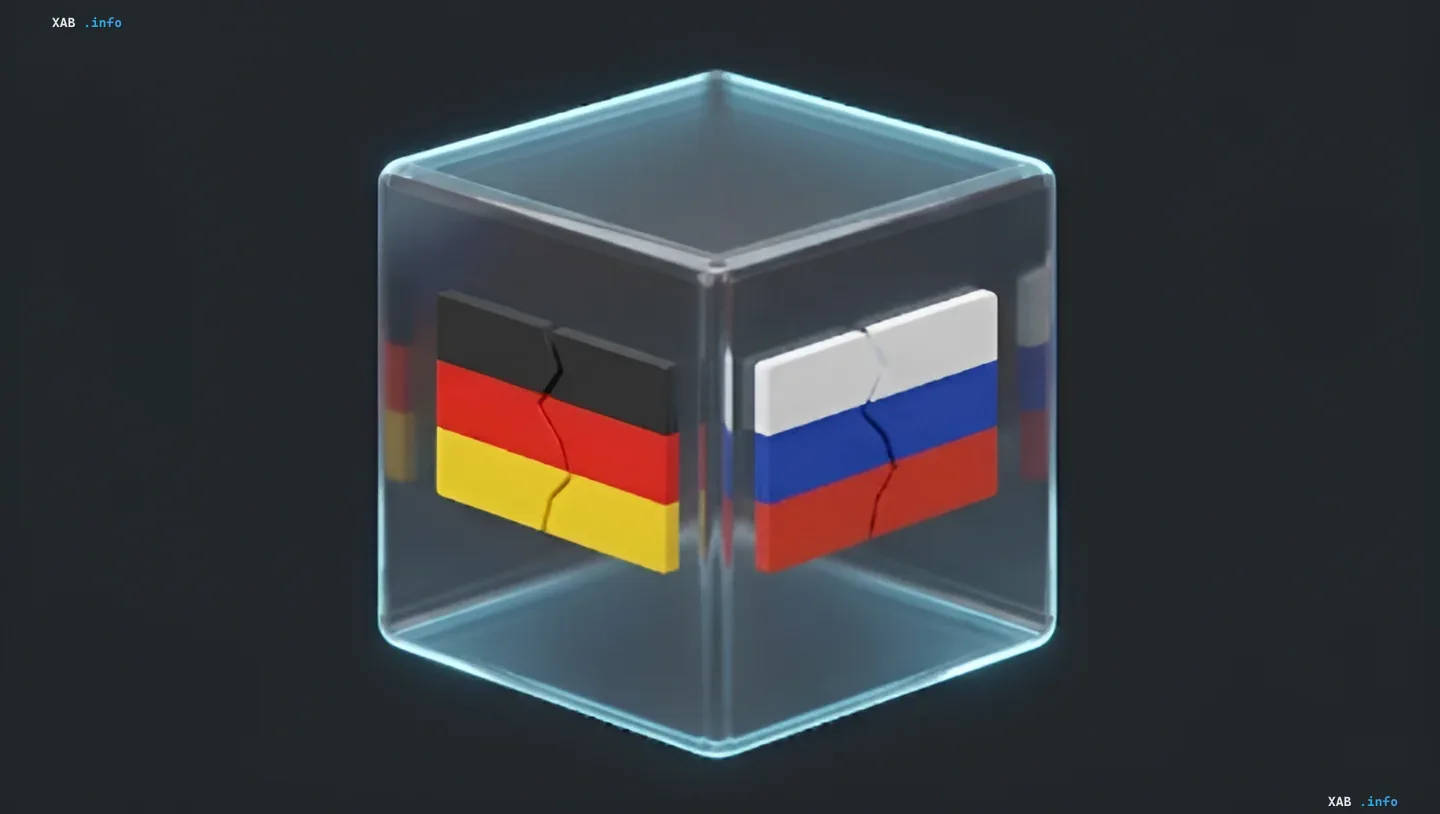
A sensation has erupted in the political sphere, sparking discussions about "shadow diplomacy" at the highest level. In Baku, amidst official statements declaring negotiations impossible, a closed-door meeting took place where participants attempted to find a solution to the Ukrainian issue. Azerbaijani President Ilham Aliyev officially confirmed these contacts, but details emerging in the press paint a picture far removed from classic diplomacy.
Who gathered behind closed doors
The event, revealed by a Bloomberg report, took place in mid-July 2026. The meeting lasted three days—from July 12 to 14—and was exclusively informal. The key feature of this summit was the status of its participants: there were no sitting ministers or heads of state with the direct authority to sign international treaties at the negotiating table.
The German delegation consisted of influential figures from the past: Ronald Pofalla, who once headed the Chancellor's office in Angela Merkel's government, and Matthias Platzeck, the former Prime Minister of the state of Brandenburg. Their Russian counterparts were also representatives of the "old guard" or related sectors: Valery Fadeev, head of the Presidential Council for Human Rights and Civil Society Development, and Viktor Zubkov, chairman of the Gazprom board of directors.
Government reaction: from denial to confirmation
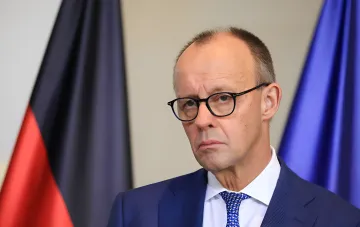
Once the information became public, official authorities were forced to take a stance. German Chancellor Friedrich Merz, during a press conference in Berlin, categorically distanced his government from this initiative. He emphasized that the current German government had no connection to the organization or conduct of these consultations.
Azerbaijani President Ilham Aliyev, whose country served as the venue for the meeting, confirmed that negotiations involving former German officials and Russian state figures did indeed take place in Baku. However, he noted that the Azerbaijani side was not the organizer but did record the delegations' flights.
Legal vacuum and Kyiv's position
The most pressing issue remains the legal weight of these negotiations. The Ukrainian Minister of Foreign Affairs has repeatedly stated: any discussions regarding the parameters for ending the war without the direct participation of official Kyiv representatives have no legal force. In diplomacy, this is a classic example of "Track II" diplomacy—expert or informal contacts that do not form binding decisions for states.
Experts agree that neither Pofalla nor Platzeck, nor their Russian colleagues, are endowed with a mandate to conduct intergovernmental negotiations on behalf of their governments. Their status is advisory or corporate, making any agreements reached in Baku more of a political signal than a legal document.