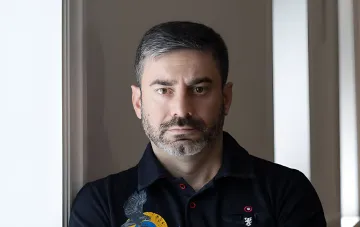
The situation regarding mobilization processes in Ukraine remains at the center of public attention. The Ukrainian Parliament Commissioner for Human Rights, Dmytro Lubinets, in a recent interview, officially identified the so-called "Shameful Four" regions where the highest number of citizen complaints against the actions of Territorial Recruitment and Social Support Centers (TCK and SP) are being recorded. According to the ombudsman, the dynamics of reports show a steady increase, which requires an immediate review of personnel policy in defense structures.
Regional Anti-Leaders and Systemic Issues
The list of regions that have maintained anti-leadership status regarding dissatisfaction with the work of recruitment centers over recent years includes Odessa, Dnipropetrovsk, Lviv, and Zakarpattia regions. Dmytro Lubinets emphasized that citizens' claims are systemic in nature and are often related to the abuse of power by TCK representatives. The ombudsman expressed the opinion that the root of the problem lies in the lack of proper reaction from the top military leadership that preceded the current staff of the Ministry of Defense and the Land Forces Command.
The Zakarpattia Case: From Searches to Reinstatement
Special attention in the ombudsman's report was paid to the Zakarpattia region, where the situation with complaints was critical. During inspections conducted by the Commissioner's institution, serious violations were identified that became the basis for criminal proceedings. In 2025, the Security Service of Ukraine conducted searches, during which significant amounts of foreign currency cash were found at the regional TCK head's office. Despite a subsequent dismissal, the official was reinstated in his position as an "acting" official, which raises questions about the transparency of personnel decisions.
Contradictory Data
In the public sphere, there are discrepancies regarding the legitimacy of TCK employees' actions during contact with the civilian population. For instance, an incident in Kharkiv, which received publicity through social networks, demonstrates polarized assessments of events. The video recorded the use of physical force by a serviceman against an elderly woman. The official position of the Kharkiv Regional TCK is that the serviceman was acting within the scope of "necessary self-defense," while public activists and human rights defenders insist on the illegality of using force against a civilian. This collision highlights the gap between the departmental interpretation of events and the public perception of acceptable work methods.
Consequences and Future Steps
Dmytro Lubinets insists on conducting a deep audit of TCK activities in all regions, especially those that have fallen into the "black list." The ombudsman's office continues to record reports of pressure on its representatives who are trying to monitor human rights compliance in units' deployment locations. Experts agree that without radical reform of the mechanisms of interaction between the TCK and society, the level of tension will continue to rise, which negatively affects the legitimacy of mobilization measures in the eyes of the population.