Ukraine is facing a severe internal human rights crisis driven by a loss of trust in territorial recruitment centers, bureaucratic hurdles for veterans, and the lack of effective international mechanisms to release civilian prisoners. Dmytro Lubinets, the Verkhovna Rada Commissioner for Human Rights, detailed the society's key pain points, the humanitarian situation in the occupied territories, and the necessary changes to restore justice in an interview with RBC-Ukraine.
Humanitarian Disaster and Life-Threatening Situation in Occupied Oleshe
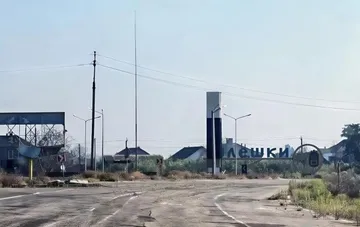
In the temporarily occupied town of Oleshe in the Kherson region, the situation has reached a critical tipping point, bordering on a humanitarian disaster. Local residents suffer from an acute shortage of food, medicines, and drinking water while facing constant risks to their lives. According to the ombudsman, the Ukrainian side has made every effort to resolve this issue, and the negotiation process regarding the evacuation of civilians is currently in its final stages.
While difficult daily negotiations with the Russian side continue, the survival of the people remaining in the town is supported by the Armed Forces of Ukraine. Ukrainian military personnel deliver water, food, and medicine to the population using drones. However, occupation forces deliberately attempt to shoot down these drones, detain civilians for receiving aid, and occupy the homes of local residents, seizing their remaining food supplies.
Systemic Mobilization Crisis and Surge in Complaints Regarding TCKs
One of the most resonant issues remains mobilization and the activities of Territorial Recruitment Center (TCK) personnel. The number of complaints regarding violations by military enlistment offices is growing rapidly: in the incomplete year of 2026 alone, the Ombudsman's Office received more than 6,000 appeals, already exceeding the total figure for the entire previous year. Dmytro Lubinets noted that between 2023 and 2025, he tried to resolve these issues behind closed doors through legal meetings with the Ministry of Defense and the General Staff, but zero results forced him into the public spotlight.
The ombudsman emphasizes that this is not about isolated incidents, but a deep systemic crisis exacerbated by corruption schemes. The transition to public criticism was prompted by the need to force relevant agencies to respond to violations. According to him, this is the only effective tool to influence the bureaucratic system during wartime when closed inquiries and official replies have stopped working.
Digitalization, Body Cameras, and the Presumption of Guilt as Solutions
To overcome the crisis of trust in mobilization processes, the introduction of strict safeguards, including total digitalization and video control, is necessary. Lubinets insists that every TCK employee within notification groups must be equipped with an active body camera, and the premises of recruitment centers must be equipped with video surveillance systems. If a camera turns out to be turned off during an incident, the principle of presumption of guilt should apply to the employee.
In addition, the mandatory presence of National Police officers must become a prerequisite for the work of notification groups to record offenses from both sides. Simultaneously, a mechanism of inevitability of punishment has begun to operate this year: inspection materials from the Ombudsman's Office have increasingly resulted in actual court verdicts against law violators.
Significance of Public Oversight and Prospects for Rights Protection
The transition to an open discussion of acute human rights issues during the war sets a new standard for interaction between the state and society. Refusing to hush up abuses in TCKs and drawing attention to humanitarian disasters in the occupied territories demonstrate that protecting citizens' rights remains a priority even under extreme conditions. Further developments depend on the authorities' readiness to implement strict control mechanisms and ensure transparency in all mobilization procedures.