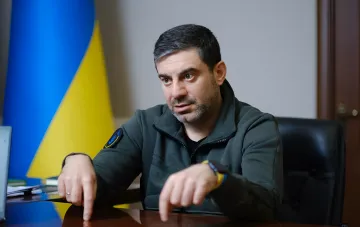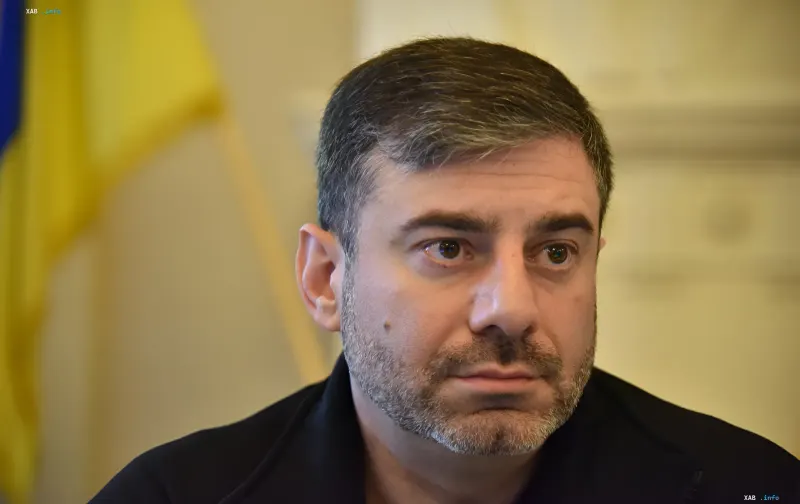
In the Kherson region, representatives of the Territorial Recruitment Center (TCC) detained and conscripted a man who had been granted lifelong disability status in 1999 and was declared legally incapacitated by a court in 2005. Despite years of documented health conditions and a court order, the Military Medical Commission (MMC) declared him fit for military service. This was reported by the Ukrainian Parliament Commissioner for Human Rights, Dmytro Lubinets, with RBC-Ukraine citing his statement.
Detention and legal status of the man
According to the ombudsman, the incident occurred in the summer in a village in the Kherson region. The man had a lifelong disability, established in 1999, and a court had declared him incapacitated in 2005. A relative of the detainee reached out to Lubinets this autumn. The ombudsman emphasized that, given the multi-year documented medical evidence and the incapacity ruling, the MMC's finding of fitness for service raises serious questions.
Ombudsman's response and legal consequences
Dmytro Lubinets sent a report to law enforcement agencies regarding a possible criminal offense. Information was entered into the Unified Register of Pre-trial Investigations under Part 1 of Article 366 of the Criminal Code of Ukraine (abuse of power or position). Furthermore, the ombudsman sent a response letter to the Ministry of Defense demanding that measures prescribed by legislation be taken and that the issue of discharging the man from military service be resolved.
“Mobilization does not mean absolute power”
In his statement, Lubinets stressed that no official has the right to ignore the law, disregard disability documents, or violate human rights through official authority, especially regarding persons who require additional protection from the state due to their condition. “Arbitrariness during mobilization is unacceptable! Every such case will be a subject of my response,” the ombudsman declared.
Context: other incidents involving the TCC
The case in the Kherson region occurs against the backdrop of a series of high-profile incidents linked to TCC operations. Previously, in the Cherkasy region, a man died after being taken to a TCC; a forensic examination failed to establish the cause of his death. In Chernivtsi, law enforcement officers detained the head of a TCC department and his subordinates on suspicion of torture, kidnapping, and extortion. These episodes increase the public demand for oversight of citizen rights during mobilization.