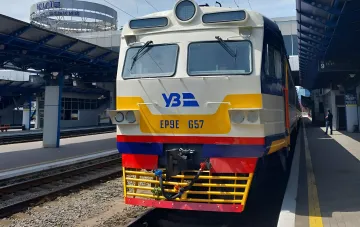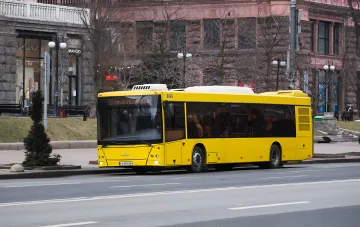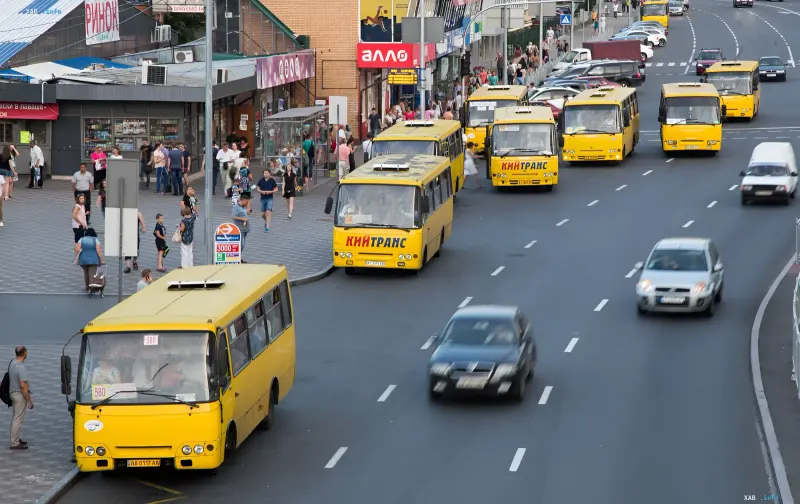
Kyiv passengers are preparing for a significant change in the city's transport system. From July 15, the cost of a ride in private marshrutkas (minibuses) in the capital will officially rise to 25 hryvnias. This decision is the result of accumulated problems in the industry and the lack of regular tariff indexation over the last decade.
Official confirmation of the price increase was given by Ihor Moiseenko, head of the Public Union "Association of Carriers of Kyiv and Kyiv Region". According to him, carriers sent the relevant notifications regarding the change in the tariff grid to the Kyiv City State Administration (Kyiv City Council) as early as last week, to avoid any suddenness for the city authorities.
New tariff grid: 25 and 30 hryvnias
The changes will affect not only the private sector. Ihor Moiseenko clarified that the cost of a ride in municipal transport, specifically in "Kyivpavtrans" buses, will be 30 hryvnias. This decision is synchronized with the general price increase in the capital's communal transport, which also comes into force on July 15.
Earlier, on July 10, Kyiv Mayor Vitali Klitschko signed a decision to raise the cost of travel in the metro, buses, trolleybuses, trams, and the funicular to 30 hryvnias. Thus, Kyiv residents will face a unified price increase for all types of public transport simultaneously.
Why have prices risen so sharply?
The head of the carriers' association explained the sharp price jump by the lack of gradual tariff adjustment in recent years. Moiseenko believes that the strategy of "freezing" prices for 10 years has led to the industry's decline, while prices for all associated resources (fuel, spare parts, wages) continued to rise.
"It turns out that for 10 years no one has raised anything... But if it had been raised annually by two hryvnias, then the cost of public transport would be 25-27 hryvnias, and people would, in principle, accept this normally," noted Moiseenko.
Previously, back in May, carriers stated their readiness not to raise prices provided there was stability in the dollar exchange rate and fuel costs. However, the current economic situation has forced them to reconsider their position and raise tariffs to maintain the operability of transport services.
What passengers need to know
Despite the price increase, city authorities have provided a transition period for holders of travel passes. Trips purchased before July 14 (inclusive) at the old price of 8 hryvnias will remain valid until mid-September. This will allow passengers to save on already paid tickets.
The system of benefits for certain categories of citizens remains unchanged. Authorities and carriers hope that the gradual implementation of new tariffs and the preservation of benefits will help smooth out social tension during the adaptation period to new economic realities.