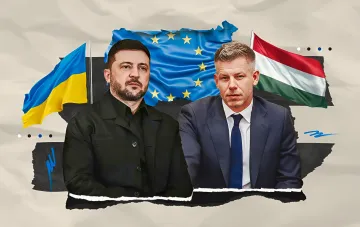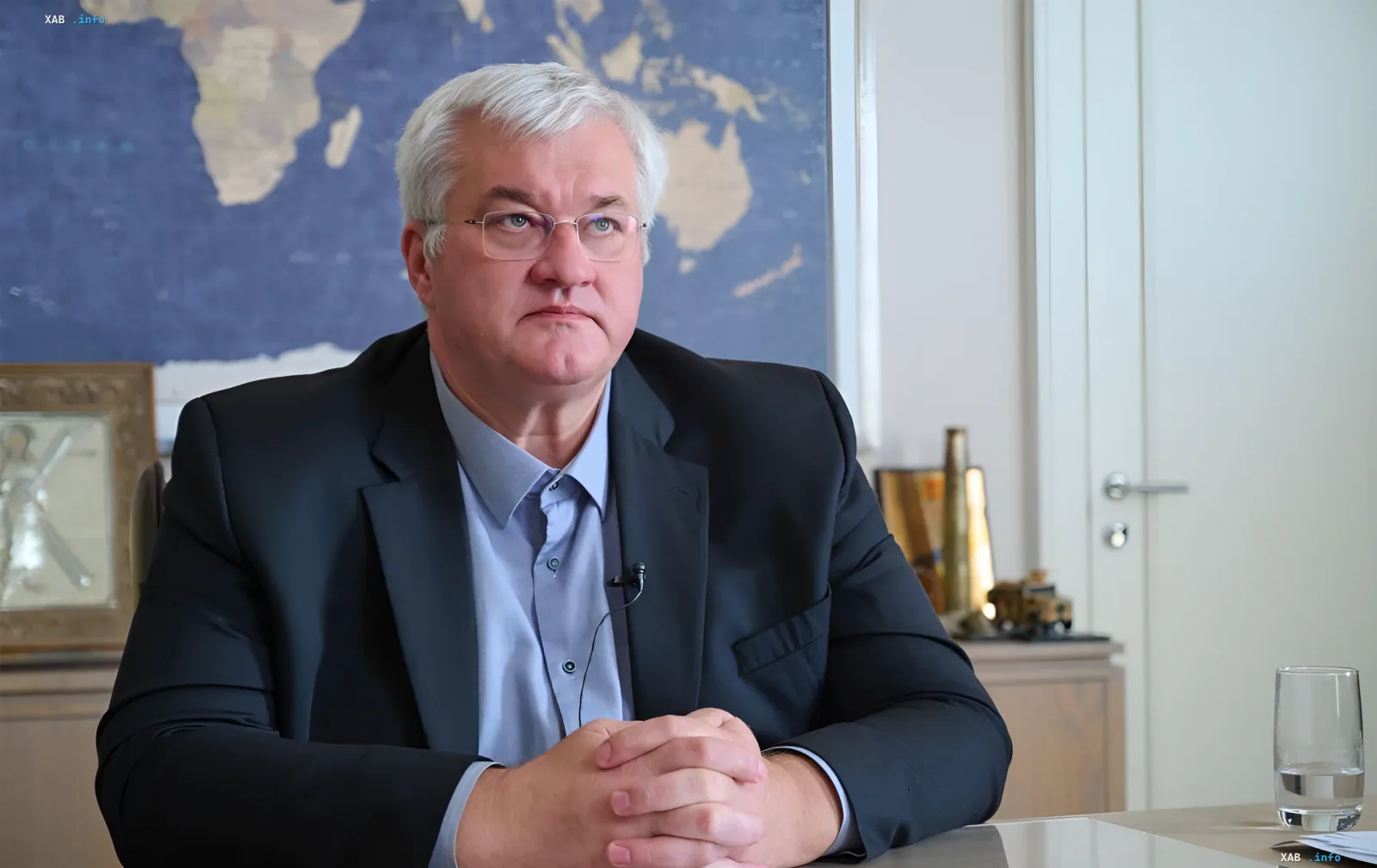
Ukraine's Foreign Minister Andrii Sibiga publicly reacted to a series of confrontational statements by Hungary's new Prime Minister Péter Magyar directed at Kyiv. According to the head of Ukraine's Foreign Ministry, Budapest is still dominated by the rhetoric of isolationism inherited from the Viktor Orbán era, despite the change in government leadership. Sibiga called Magyar's statements "groundlessly confrontational" and expressed surprise at the categorical nature of Hungary's position on a number of bilateral issues.
The 'Carpathian Integration Initiative' and Budapest's refusal
The central element of the discussion was the so-called 'Carpathian Integration Initiative' — a format proposed by Ukraine to strengthen cooperation among the eight countries of the Carpathian region. Sibiga emphasized that the initiative is aimed at the development of the entire region, promoting prosperity, connectivity, and the implementation of mutually beneficial projects. At the same time, as the minister noted, he is unaware of the reasons for Hungary's so categorical refusal to participate in the format. Earlier, Magyar stated outright that Hungary is not a member of the 'Carpathian Eight' and does not intend to join this mechanism of regional interaction.
The energy issue and 'the interference of politics in business'
No less sharp, in Sibiga's assessment, was Magyar's statement on the impossibility of cooperation between Ukrainian and Hungarian energy companies. Kyiv had previously reported that Budapest views the construction of storage facilities for Ukrainian oil on Hungarian territory as a direct threat and firmly opposed the project. Sibiga criticized this approach, stating that the interference of politics in pragmatic business interaction 'does no good' to either side. The minister pointed to the absurdity of blocking commercial ties on an ideological basis.
The 'spirit of Orbán' in Hungarian politics
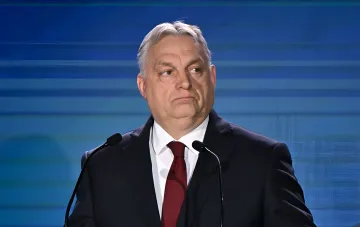
The key thesis of Sibiga's statement is that the change in the prime ministerial chair in Budapest has not led to a change in foreign policy course. 'It creates the impression that, although Viktor Orbán has left, his policy of blocking and isolationism continues to thrive,' the Ukrainian minister stated. According to him, 'Orbánism' in the past brought no benefit to Hungary itself or to the wider region, and will not bring it in the future. Thus, Kyiv is directly signaling that it perceives Magyar's rhetoric as a continuation of the previous line, rather than as a new approach.
Kyiv's position: readiness for pragmatic dialogue
Despite the critical assessment of the Hungarian statements, Sibiga assured that Ukraine once again emphasizes its readiness and openness to developing mutually beneficial, pragmatic, and mutually respectful bilateral cooperation with Hungary. Kyiv, in effect, shifts responsibility for the possible degradation of relations onto Budapest, while maintaining a formally constructive position. The statement came in the context of Ukraine's ongoing efforts to integrate into European and regional structures, where Hungary's position remains one of the key factors.