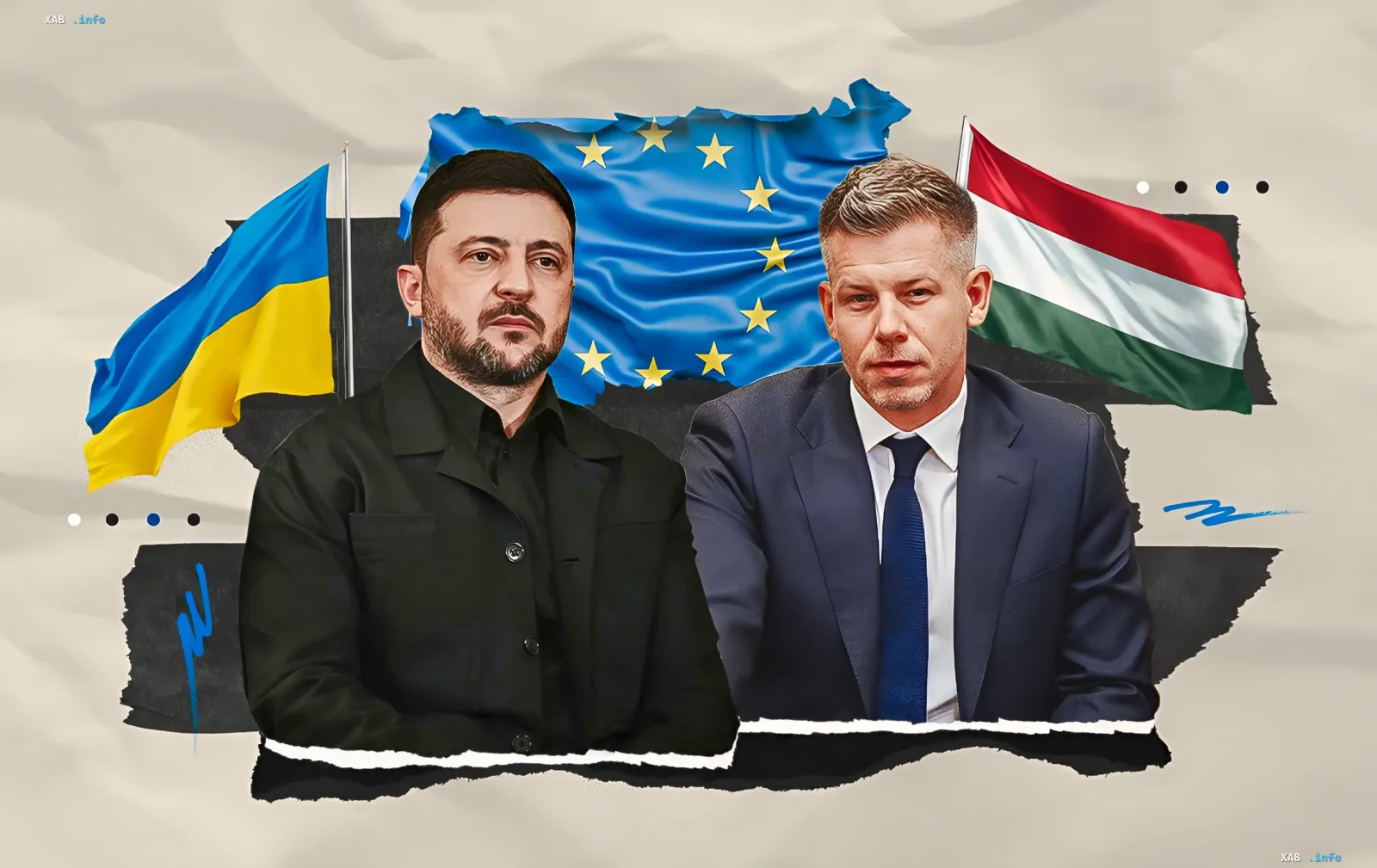
Relations between Ukraine and Hungary are undergoing a complex phase of transformation following the change of power in Budapest. Despite Viktor Orban's departure from the political arena and the arrival of a new government led by Prime Minister Peter Magyar, dialogue between the countries is accompanied by periodic public conflicts. Nevertheless, experts note that behind the loud statements on social media lies a pragmatic process of seeking compromises, especially on the European track.
New Government and Steps Forward
In the spring of 2026, Hungary's political landscape underwent major changes, which immediately affected the Ukrainian direction. Peter Magyar's government demonstrated its readiness for cooperation by unblocking a large loan for Ukraine worth 90 billion euros and supporting the opening of EU negotiation clusters. For its part, Kyiv also took an important symbolic step, becoming the first state to officially condemn Stalinist repressions against ethnic Hungarians during the Soviet era.
Public Scandals and Diplomatic Tension
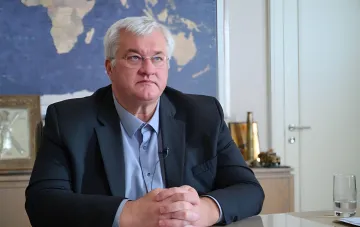
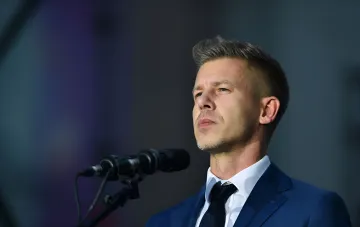
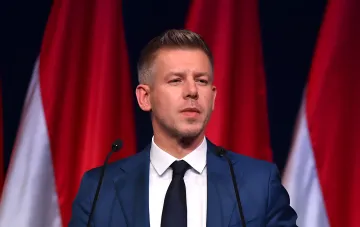
Despite positive shifts, a public dispute flared up between Budapest and Kyiv in mid-September. The catalyst was Peter Magyar's sharp remarks in the Hungarian parliament regarding the 'Carpathian Eight' (C8) initiative and plans to create storage facilities for strategic oil reserves between Naftogaz and MOL. Ukrainian Foreign Minister Andriy Sybiha reacted sharply, accusing the new leadership of continuing the isolationist policies of their predecessors. Later, the parties held a personal meeting on the sidelines of the UN General Assembly in New York to ease tensions.
Contradictory Data
Experts hold varying views on the reasons behind Peter Magyar's distancing from the Ukrainian track. Some analysts believe the prime minister is forced to reckon with an electorate raised for years on the anti-Ukrainian rhetoric of the previous regime, while also overcoming internal pressure from Orban's supporters. Other observers note that Magyar's harsh statements are often tactical and intended to strengthen his domestic standing, while on a practical level Budapest continues to fulfill its European commitments.
Prospects and Regional Context
Despite emotional exchanges on network X, the strategic goal of Ukraine's integration into the European Union remains on the agenda of both countries. It is expected that Hungary may soon completely unblock Kyiv's key European integration steps in exchange for resolving minority rights issues. At the same time, Budapest is concurrently focusing on reviving traditional regional formats such as the Visegrad Group.