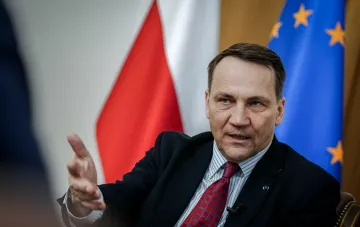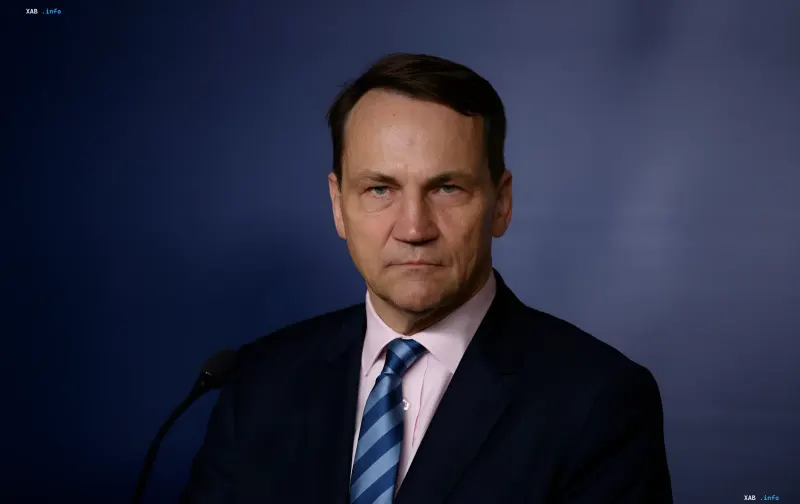
Polish Foreign Minister Radosław Sikorski, during a recent briefing for Ukrainian journalists in Warsaw, elaborated on the prospects and conditions for activating Article 5 of the North Atlantic Treaty on collective defense. The head of Polish diplomacy emphasized that this security mechanism is not as automatic and straightforward as it might seem at first glance, because its wording was intentionally designed taking into account the historical compromises of the mid-20th century.
Historical Roots and Nature of Article 5
According to Sikorski, the current version of Article 5 was deliberately left vague because in the 1950s the US Congress categorically refused to give consent to automatic entry into military conflicts. Legislators of that era only approved the principle that a political decision on the specific format of a collective response is made by Alliance members after an attack has actually occurred. Therefore, the assessment of the threat level and the nature of response measures will always depend on political consensus at a critical moment.
Contradictory Data
Within the expert community and diplomatic circles, differing views exist regarding what exact volume of provocations or airspace violations by Russian drones and missiles will trigger the direct invocation of Article 5. On one hand, calls are made for a harsh and immediate response to any incidents near Alliance borders; on the other hand, the complexity of qualifying hybrid threats, where the aggressor's responsibility is often blurred, is emphasized. The minister noted that the only precedent for the actual application of the article occurred in 2001 after the terrorist attacks in the USA, when the scale and obviousness of the aggression left no room for doubt.
Moscow's Hybrid Strategy and Kremlin Miscalculations
The Polish Foreign Minister is convinced that Russian leader Vladimir Putin is making a strategic mistake by waging a hybrid war against all of Europe and trying to use provocations of uncertain scale. In Sikorski's view, the Kremlin fundamentally misunderstands the psychology of democratic societies, considering them much more degraded than they actually are. However, reality has proven otherwise: Western countries have been demonstrating steadfast support for Ukraine for years and maintaining the ability to mobilize public opinion in the face of external aggression, while Poland continues to strictly warn Moscow against any encroachments.