
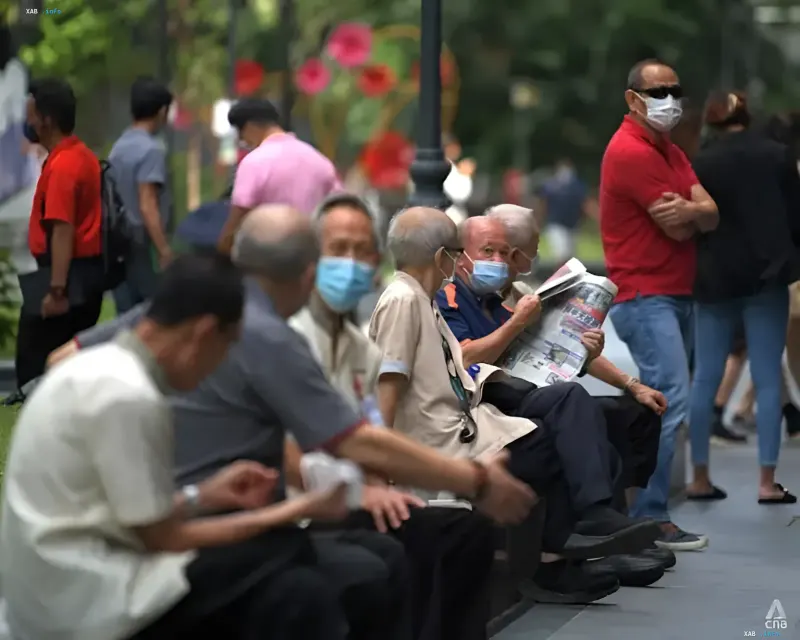
Singapore has officially crossed a critical threshold, transforming into a 'super-aged' society. According to data released by the National Population and Talent Division on September 25, 2026, in its annual 'Population in Brief 2026' report, the share of citizens aged 65 and older has reached 21.4%. By comparison, this figure was 20.7% in 2025 and only 13.7% a decade ago. Thus, the country has surpassed the international threshold established by the United Nations, which defines a society as super-aged when the proportion of older persons exceeds 21%.
The Scale of Demographic Changes and Projections
Singapore's demographic landscape continues to evolve rapidly. According to the official report, the number of Singaporeans aged 80 and older is projected to reach 152,000 in 2026, up from 145,000 in 2025. This represents a 60% increase from a decade ago, when there were 95,000 citizens in this age group. Experts project that by 2035, more than a quarter of the entire population will be aged 65 and older. Concurrently, the share of the working-age population (aged 20–64) has declined from 64.3% in 2016 to 59.3% by 2026.
Government Response and Reforms
The Singaporean government is actively adapting to these new realities through sweeping reforms. Authorities are restructuring the healthcare system with a strong emphasis on preventive care, expanding healthcare delivery beyond hospitals, and welcoming new citizens to maintain economic balance. Furthermore, comprehensive measures are being implemented to boost the birth rate, including substantial financial grants to young families for each child, designed to mitigate the long-term impacts of the demographic decline.
Social Consequences and the Risk of Intergenerational Conflict
Sociologists warn that the rapid aging of the nation could fundamentally alter social dynamics. There is a risk of 'gerontocracy' emerging, a social situation where the political and social interests of older citizens outweigh those of the rest of the population, potentially leading to intergenerational conflicts of interest. Nevertheless, experts highlight positive trends: the proportion of older Singaporeans aged 65 and older who remain employed reached nearly 34% by 2025, up from 24.7% in 2015, demonstrating the strong economic potential of the older generation with proper labor market adaptation.