Ukrainian schools in 2026 continue to operate under unprecedented trials caused by the consequences of a full-scale war, demographic crisis, and migration processes. According to a detailed analytical report by the savED charitable foundation, Ukraine's secondary education system has faced three fundamental challenges: a deep demographic downturn, persistent security risks, and unequal access to full-time offline learning.
Demographic Crisis and Staff Reductions
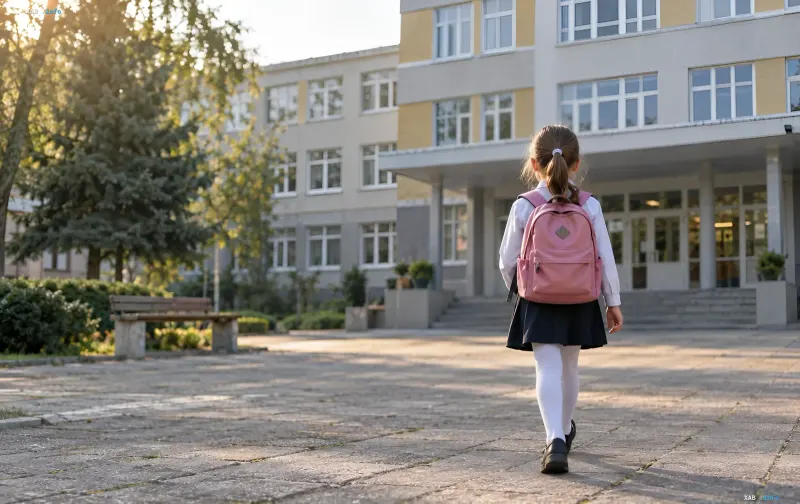
The scale of changes is clearly demonstrated by statistical indicators. While about 243.3 thousand children entered the first grade in 2026, the total number of students across the country has decreased colossally over the past four years — by 755.6 thousand people. Simultaneously, the crisis has affected the teaching staff: the number of teachers and instructors has decreased by 52.7 thousand specialists. Such trends are caused by both a natural decline in the birth rate and mass population displacement both within the country and abroad.
Security Factors and Regional Disparities
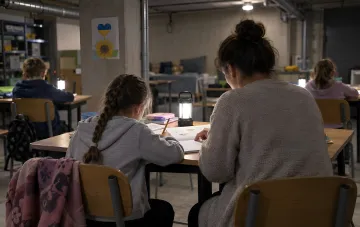
The security situation remains a key marker determining the format of educational institutions' work in various regions of Ukraine. Local communities are forced to direct resources toward equipping reliable shelters, restoring destroyed infrastructure, investing in energy independence, and organizing student transportation. As savED co-founder and strategic director Anna Novosad emphasized, the fifth academic year of large-scale confrontation is marked by acute local challenges. The situation differs drastically even between neighboring communities, yet the overall increase in danger unites all regions, exacerbating inequality in the educational process.
High School Reform and Industry Prospects
A separate direction of transformation remains substantive changes in the educational process. For grades 10-11 students, it was decided to preserve the current learning model so that high schoolers could finish school under familiar programs without a stressful transition to a three-year model mid-cycle. Meanwhile, the pilot launch of specialized secondary education has already taken place, and a full transition to the 12-year system is scheduled for September 1, 2027. The state and international partners continue to adapt the system to a protracted conflict while trying to balance the changing structure of the school network.