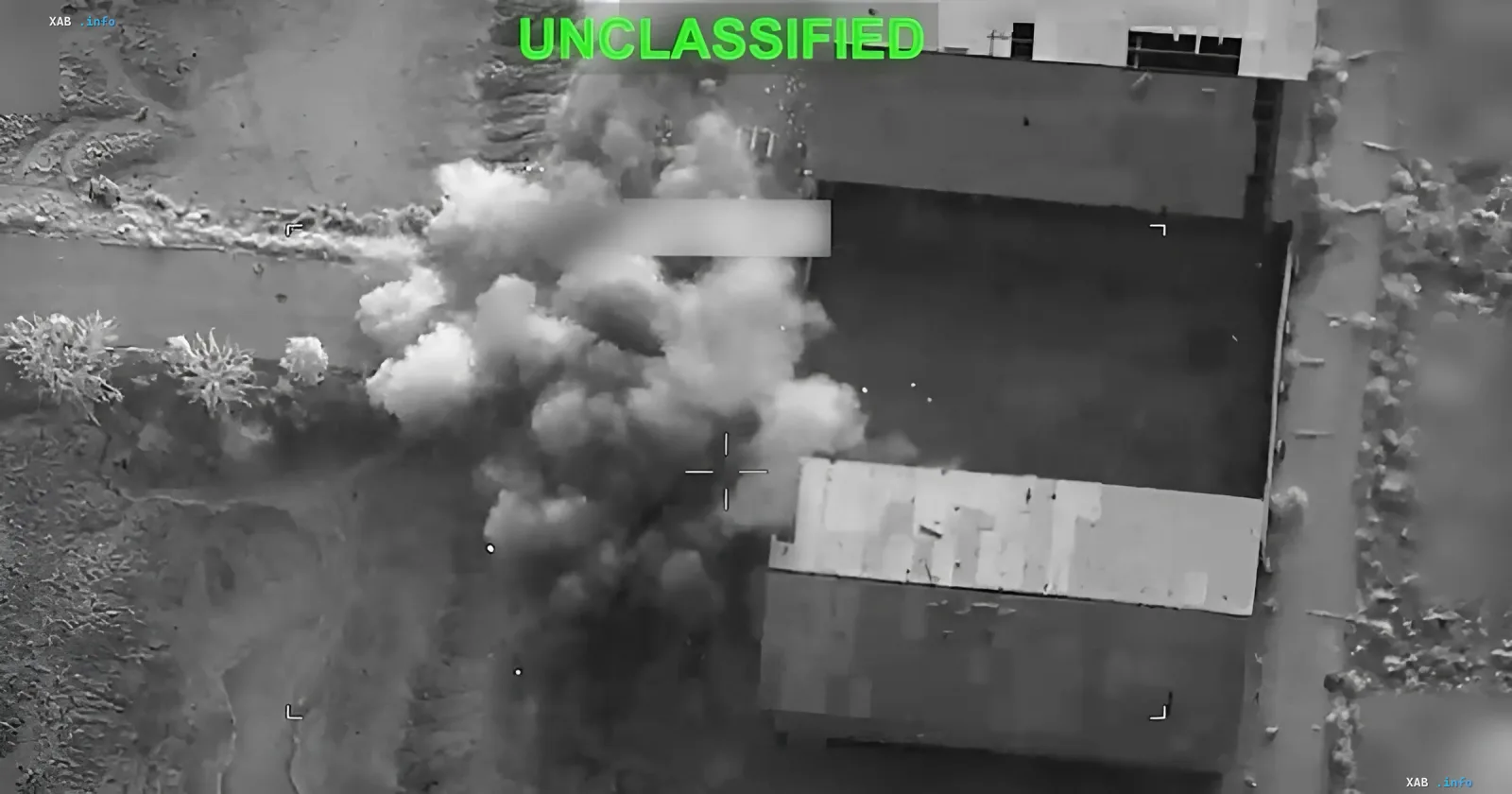
A powerful explosion occurred at the port of the Iranian city of Chabahar, resulting in a thick column of black smoke rising above the control tower. The incident was accompanied by a massive power outage in the city: lights flickered and went out. This event became part of a new phase of the military campaign launched by the Donald Trump administration against Iran.
Strike Targets: Control over the Strait of Hormuz
US fighter jets and unmanned aerial vehicles focused their efforts on destroying facilities that directly affect Tehran's ability to threaten shipping in the Strait of Hormuz. The damaged control tower, according to intelligence data, is a key element of Iran's coastal military network, which dominates control over this strategically important waterway.
The attack on the tower was not an isolated incident. In total, over the past few days, approximately 90 strikes have been carried out against radar stations, anti-ship missile positions, command and control centers, and ships of the Islamic Revolutionary Guard Corps (IRGC).
Energy Shock as a Signal
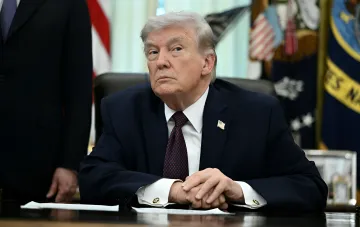
The power outage in Chabahar accompanying the airstrike is viewed by military analysts not as a coincidence, but as a subtle signal. Earlier this week, President Trump warned on Fox News that "next week will be very bad for them" and threatened to destroy all Iranian power plants if Tehran did not return to the negotiating table. The power outage, which occurred a few hours after these statements, is perceived as a demonstration of the US ability to strike critical infrastructure.
Sasha Bruchmann from the International Institute for Strategic Studies (IISS) noted that the US attacked infrastructure facilities, placing Iran before a challenge that goes beyond purely military issues.
Blockade and Deterrence
In addition to port infrastructure, a railway bridge in northeastern Iran was hit, temporarily severing the country's land connection with its neighbors. Experts believe this was done to prevent Tehran from attempting to bypass the naval blockade imposed by Washington.
Despite the intensity of the strikes, US command realizes that the damage inflicted is temporary. Radars and cameras can be repaired, and Iranians may continue to use small vessels for target detection. However, possessing absolute air superiority and deploying combat patrols with A-10 aircraft and Apache helicopters, the US effectively contains Iranian activity in the strait.
A Battle of Time
Washington's strategy is to inflict damage sufficient to exert pressure, but not to provoke a full-scale retaliatory strike against Arab countries. Iran, in turn, is trying to prolong the confrontation until the US midterm elections, hoping for a softening of conditions. Both sides are engaged in a complex game, trying to force the opponent to make concessions, while the risk of escalation remains in the region.