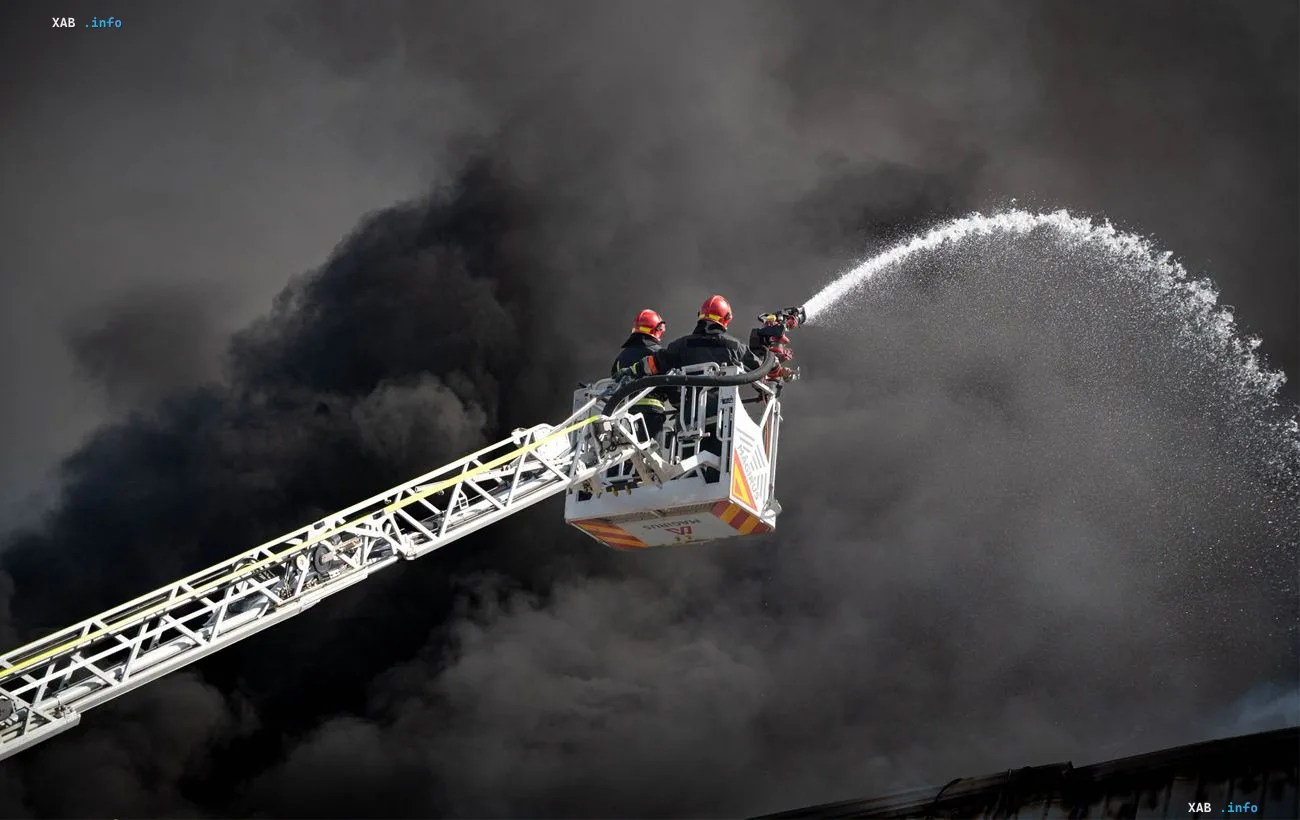
On September 22, 2026, Russian military forces struck the warehouse complex of the Odesa-based toilet paper manufacturer "Snow Panda," completely destroying it. This was reported by the company's press office, citing confirmed data disseminated by RBC-Ukraine and a number of other Ukrainian media outlets. The enterprise's statement clearly notes: "On September 22, as a result of an enemy strike, our warehouse complex was completely destroyed for the second time." Thus, in less than three months since the first attack, the enterprise has lost its warehouse capacity once again.
Chronology of the Strikes: From July to September
The first missile strike on the "Snow Panda" production and warehouse complex in Odesa Oblast was carried out by Russia on July 1, 2026. At that time, part of the production and warehouse facilities was destroyed, and a large-scale fire broke out on the enterprise's premises. After the attack, the company needed time to restore its infrastructure and replenish its product range: some products temporarily disappeared from store shelves across the country. By September, "Snow Panda" had managed to restore its warehouse capacity, however, on September 22 the facility once again became the target of a Russian strike — and this time, according to company representatives, the warehouse complex was completely destroyed.
Employees Unharmed, Damage Details Not Disclosed
The "Snow Panda" press office emphasized that the most important thing is that people are alive and unharmed. The company did not specify in its public statement the specific details regarding the nature of the damage, the type of weapon used, or the scale of the material loss. According to Focus, a ballistic strike was carried out on a production facility in Odesa Oblast, which indirectly confirms the scale of the destruction. Nevertheless, an official full report on the consequences of the September 22 attack had not been published as of the time of this article's publication.
Contradictory Data
There are minor discrepancies in terminology and description of the facility between sources. The "Snow Panda" press office consistently refers to the affected facility as a "warehouse complex," while a number of media outlets (in particular, Focus and Ukrnews) characterize it as a "production facility" or a "factory." This may be explained by the fact that the enterprise's premises combine production and warehouse capacity, as well as by the fact that the first strike on July 1 specifically affected the production and warehouse facilities. In addition, there is variability in the wording regarding the type of weapon: some publications speak of a "missile strike," while others — of a "ballistic strike." The source company, in its statement, uses the neutral expression "enemy strike" without specifying the type of weapon.
Impact on the Market and Consumers
The repeated destruction of the "Snow Panda" warehouse complex will inevitably affect the availability of its products on the shelves of Ukrainian stores. After the July strike, a temporary shortage of part of the product range had already been recorded. Now, given that the warehouse has been destroyed again, the company will once again face the need to restore its logistics chain. The enterprise's representatives have not yet announced the timeline for restoration and have not reported any plans to relocate warehouse operations to alternative sites. Consumers in Odesa Oblast and other regions where "Snow Panda" products are available may face a repeated temporary shortage in the coming weeks.
Context: Strikes on Civilian Infrastructure
The attack on "Snow Panda" became yet another episode in a series of Russian strikes on Ukraine's civilian production infrastructure. The enterprise, which produces basic consumer goods of first necessity, is not a military facility, yet it found itself in the impact zone twice in three months. This underscores the systematic nature of the attacks on the country's economic potential and creates additional difficulties for the recovery of the domestic consumer goods market amid the ongoing conflict.