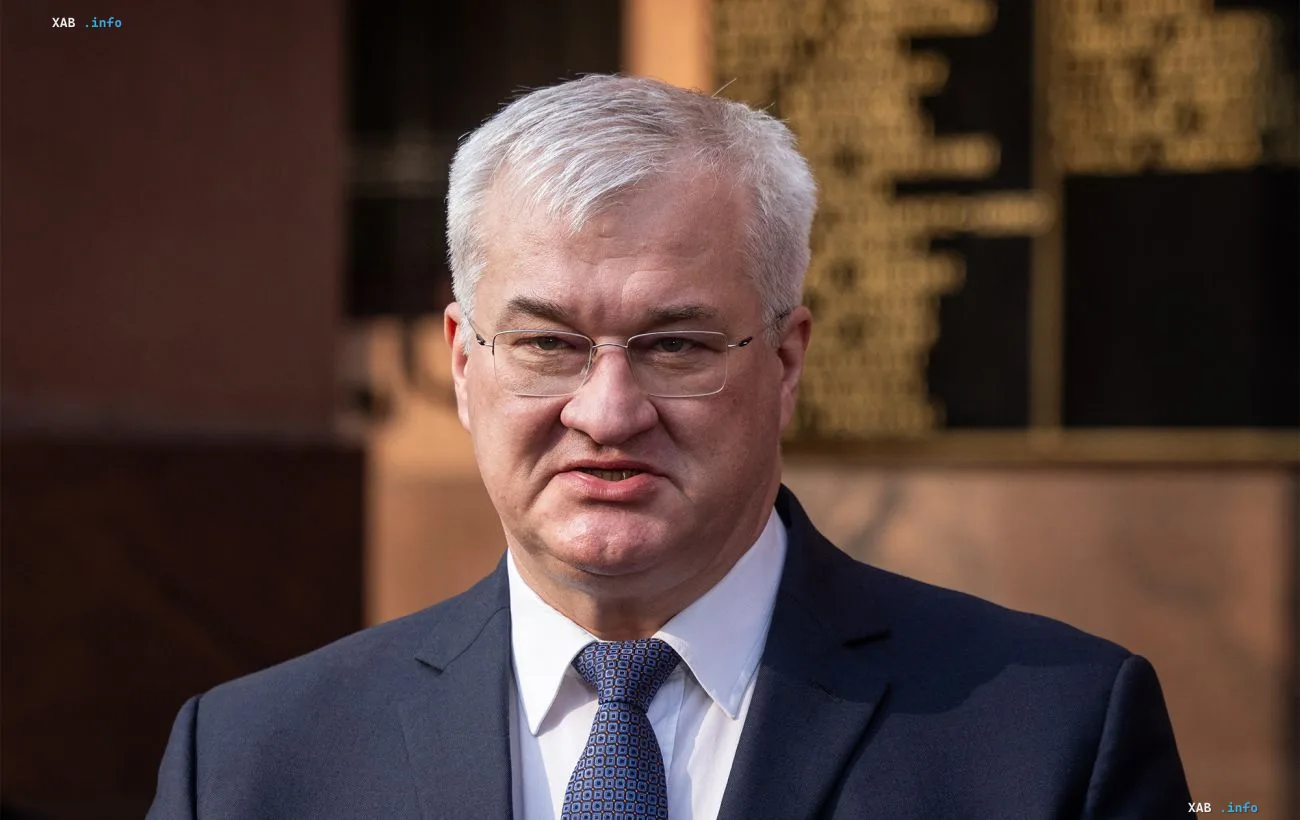
On September 23, 2026, during a massive missile and drone attack on Ukrainian territory, Russian forces struck telecommunications infrastructure facilities, including one of the capital's data centers in Kyiv. This was announced by Ukrainian Foreign Minister Andriy Sybiha in a post on the social network X, which was reported by RBC-Ukraine. According to the head of Ukraine's foreign policy department, Moscow deliberately targeted the main data processing centers, seeking to disrupt the flow of information that is critical for the safety of citizens.
Strike on the "nervous system" of alerting
Sybiha emphasized that it is precisely thanks to rapid warnings about missile and drone attacks that civilians get the chance to learn about the threat in time and move to shelter. In his words, damage to the data centers directly threatens the operation of alert systems, which under conditions of ongoing massive strikes have effectively become the "nervous system" of civil defense. The minister stressed that data centers are part of critically important civilian infrastructure: they provide people with access to information and the operation of services necessary in everyday life. "This is critically important civilian infrastructure that provides people with access to life-saving information. It is not a military target," stated the head of Ukraine's Foreign Ministry.
Practical consequences for citizens and businesses
The consequences of the damage to telecommunications infrastructure were already felt in the first hours after the attack. The networks of providers UTELS and "Pavutyna" experienced disruptions in connectivity and access to certain services. Some companies also encountered temporary outages: in particular, due to the Russian shelling, part of the services of the online bookstore "Є" stopped working. For ordinary users, this means not only the inability to receive prompt information about an air threat, but also disrupted access to banking services, messengers, government portals, and other digital services on which key functions of everyday life have been placed in wartime conditions.
Diplomatic reaction and call for stronger sanctions
In his statement, Sybiha characterized the strike on the data centers as an attempt by Russia to destabilize the lives of Ukrainians and exert additional pressure on the civilian population. The minister called on the international community to increase sanctions pressure on Moscow and to boost deliveries of air defense systems. "Tightening sanctions pressure and increasing the number of air defense systems is the only way to stop this terror. These attacks must not become the new norm," concluded the head of Ukraine's Foreign Ministry. His statement came against the backdrop of an ongoing series of massive strikes on Ukrainian infrastructure, in which, according to Kyiv's assessments, not only military but also civilian facilities are being used with increasing frequency.
Context: why data centers have become a target
The attack on data processing centers fits into a broader strategy that analysts link to an attempt by Russia to disrupt Ukraine's information space. In conditions where digital services have become the main channel of communication between the state and citizens, their damage can disorient the population, slow down the response to threats, and create an effect of chaos. Experts note that such strikes carry a dual threat: on the one hand, they directly affect the physical safety of people by depriving them of timely alerting, and on the other, they undermine trust in digital services and create long-term risks for infrastructure recovery. As of September 23, 2026, the Ukrainian authorities continue to assess the scale of the damage and coordinate the work to restore the damaged communication nodes.