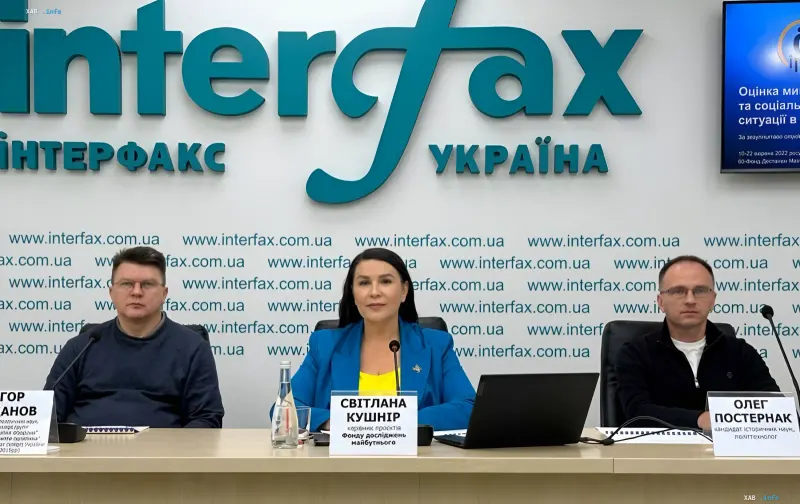
A new sociological survey conducted by the Future Research Foundation demonstrates complex and dynamic trends in the electoral sentiments of Ukrainian society. According to the published data, military figures and representatives of the security block enjoy the highest level of personal trust among citizens. In particular, Valerii Zaluzhnyi holds the leading position, followed by Kyrylo Budanov and Mykhailo Drapatyi. Such indicators reflect a deep public demand for security and the authority of people in uniform amid ongoing military challenges.
Electoral Alignments in Presidential Elections
Despite leading in the trust rating, the modeling of hypothetical presidential elections shows a slightly different picture among respondents who have made up their minds. According to sociologists, incumbent President Volodymyr Zelenskyy outperforms Valerii Zaluzhnyi when counting the votes of electors planning to participate in the voting. Political strategists note that the electoral field in the country remains extremely fragmented and volatile, as a significant portion of the population has not yet made a final decision regarding their favorites in future political races.
Party Ratings and Prospects of New Political Forces
The survey also assessed the potential outcomes of hypothetical parliamentary elections in the event of new political platforms being created. Valerii Zaluzhnyi’s conditional party could count on the highest support among decided voters, surpassing Volodymyr Zelenskyy's political force and other party projects. Notably, several new associations and initiatives have a chance to cross the five-percent threshold, including projects by Mykhailo Fedorov, Kyrylo Budanov, as well as already known parliamentary and non-parliamentary political parties.
Contradictory Data
It is worth noting the existence of discrepancies and debatable points when comparing various sociological cross-sections. While some studies record the dominance of military figures across all polling categories, other independent centers point to fluctuations in trust indicators toward the country's top leadership depending on data collection methodology. Experts emphasize that the gap between personal trust indicators and actual voting for specific political brands remains substantial, creating room for multiple interpretations among analysts.
Citizens' Attitudes Toward Peace Talks and Compromises
An important part of the study focused on issues regarding potential ways to end the war and the prospects for peace negotiations with Russia. The overwhelming majority of respondents express support for the necessity of a negotiation process, but opinions regarding acceptable formats and possible concessions are seriously divided. A significant portion of respondents is willing to accept compromises for the sake of ending hostilities, while a smaller part insists on continuing the armed confrontation until the 1991 borders are restored, highlighting the difficulty of finding a nationwide consensus on this issue.