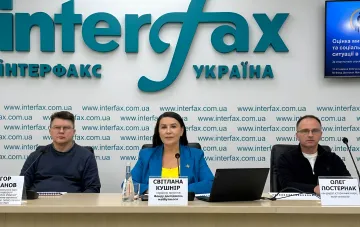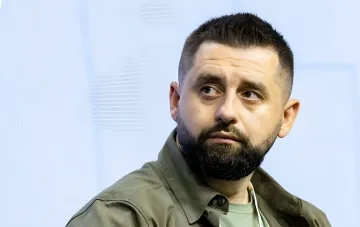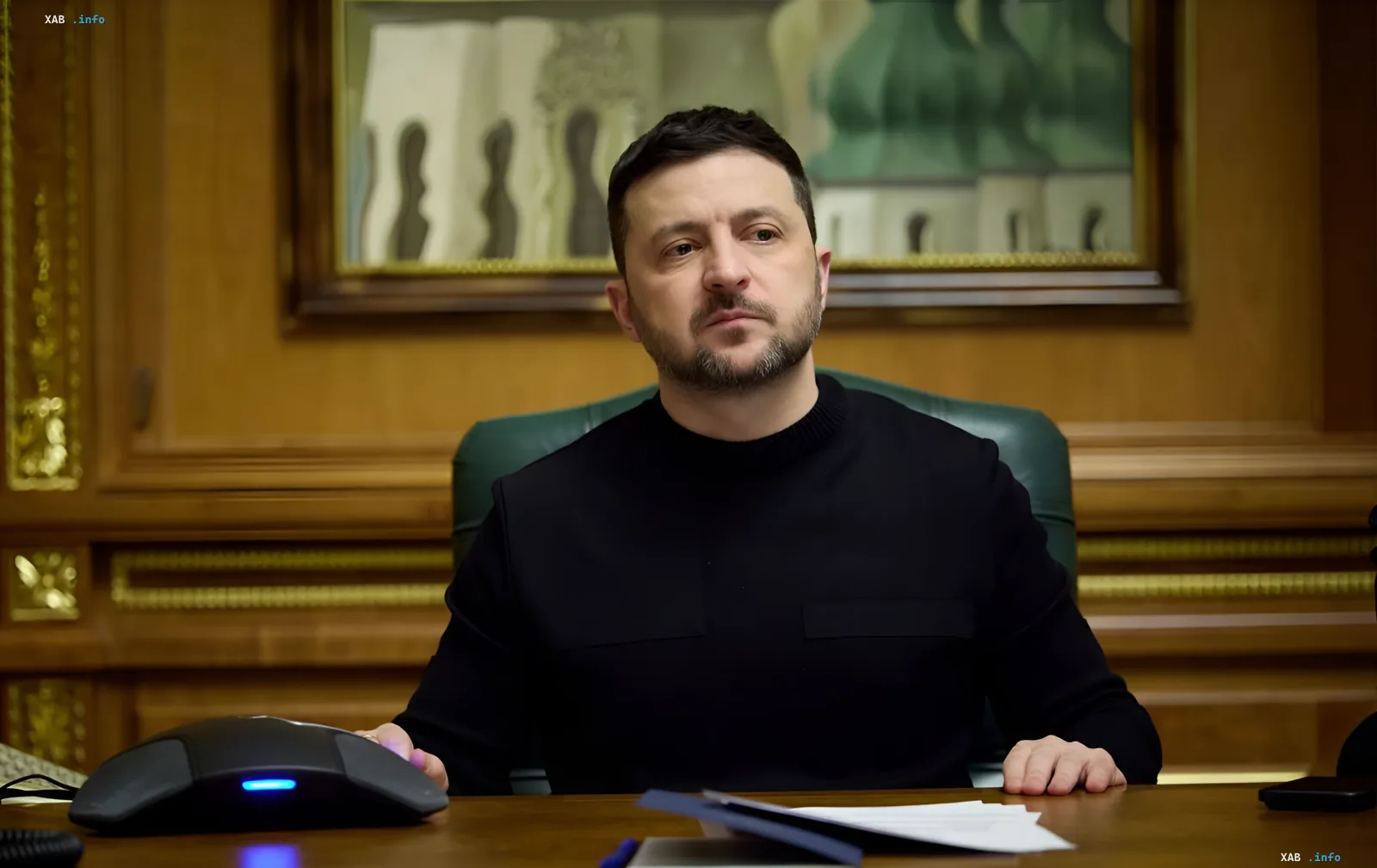
Fresh data from sociological research demonstrates noticeable changes in public sentiments and trust ratings regarding key political and military figures in Ukraine. According to the results of a large-scale poll conducted by the Rating Group sociological agency in October 2026, the absolute leader of public support is former Armed Forces Commander-in-Chief Valerii Zaluzhnyi, who outpaces the incumbent head of state.
Dynamics of Public Trust in Leaders
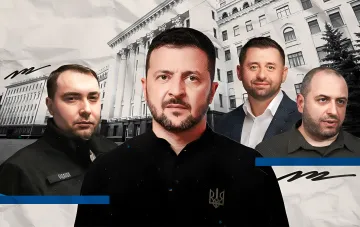
According to the collected data, the public trust level was distributed in such a way that authoritative military and political figures took the top lines. In addition to Valerii Zaluzhnyi, high support indicators are maintained by President Volodymyr Zelenskyy and Head of the Presidential Office Kyrylo Budanov. Experts note that this alignment of forces reflects the society's demand for strong leaders who have proven themselves in conditions of crisis and large-scale geopolitical challenges.
Electoral Sympathies and Hypothetical Elections
During the study, sociologists also modeled the scenario of the first round of hypothetical presidential elections in Ukraine. The leaders of electoral sympathies in this race turned out to be Volodymyr Zelenskyy with 22.9% and Valerii Zaluzhnyi, for whom 20.2% of respondents are ready to cast their votes. At the same time, the remaining votes were distributed among other political forces and candidates, while a significant share of citizens demonstrated uncertainty or stated their intention to boycott the voting.
Contradictory Data
It is worth noting that various sociological centers record certain discrepancies in absolute rating numbers. While Rating Group data shows a tight race between the main contenders with a minimal gap, some alternative studies from past periods pointed to higher absolute support figures for individual figures. Discrepancies also concern the assessment of the level of citizens' disappointment with the actions of government institutions, where opinions on the fulfillment of European integration obligations were split almost equally: half of the respondents criticize the pace of reforms, while 46% see positive shifts.
Social Context and Consequences for Authorities
The analysis of moods shows a growing trend of criticism towards the state apparatus. Over the past year, an increase has been recorded in the proportion of citizens experiencing disappointment or skepticism regarding the work of the executive and legislative branches. Such social indicators demand that the country's political leadership promptly adjust its strategy of interaction with society and strengthen the transparency of decisions made amid the ongoing standoff.