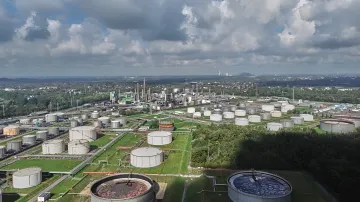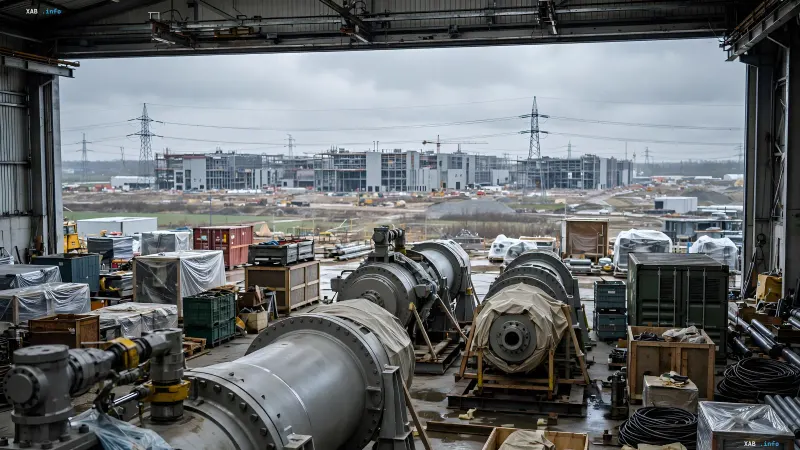
SoftBank reported a quarterly loss of $7.1 billion, with more than half tied to losses on power generation equipment. The company made non-refundable deposits with gas turbine manufacturers to guarantee supplies amid soaring demand from data centers. However, a significant portion of the reserved equipment proved unnecessary, and the funds invested in the orders had to be written off. The loss from this bet exceeded $3 billion.
The "Pay and Grab" Strategy: How SoftBank Tried to Outpace Competitors
About two years ago, SoftBank began reserving turbines with a total capacity exceeding 13 GW—nearly 50% more than the actual needs of its projects. In February, its subsidiary SB Energy announced plans to spend $33 billion to build a 9.2 GW gas-fired power plant. Excess orders allowed the company to secure equipment faster than competitors, as lead times for new gas turbines on the global market had already stretched into the early 2030s. According to Peter Gardett, head of energy firm Noreva, SB Energy effectively had no other way to quickly secure a portion of the required turbines than by reserving extra volumes.
Write-off as "Tuition Fees"
Now this strategy has turned into a costly mistake. Gardett called the write-off a tuition fee for figuring out the true cost and scale of demand: SoftBank chose to overpay and order extra equipment to avoid running out of turbines amid shortages. At the same time, gas generation is not without operational risks. In particular, fuel supplies can be constrained in winter right when electricity demand peaks, creating additional vulnerability for operators betting on captive gas capacity.
Alternatives: Grid and Batteries Instead of Excess Turbines
According to Brent Nelson, managing director at Ascend Analytics, connecting to the public power grid may be a more suitable solution for most data centers. Instead of ordering excess gas plant capacity, operators can use smaller grid connections combined with large battery storage systems. Batteries will help cover peak loads and temporarily reduce consumption during utility constraints, making such a setup more flexible and cost-effective in the medium term.
What's Next: AI Electricity Demand Is Here to Stay
SoftBank's losses are unlikely to trigger a mass cancellation of gas-fired power plants: the AI industry's need for electricity remains too high, and alternative generation sources in the necessary scale and timeframes are still insufficient. However, the situation clearly demonstrates that initial forecasts for gas generation demand may have been overly optimistic, and price discipline when reserving critical equipment is a key factor for the financial health of major tech investors.