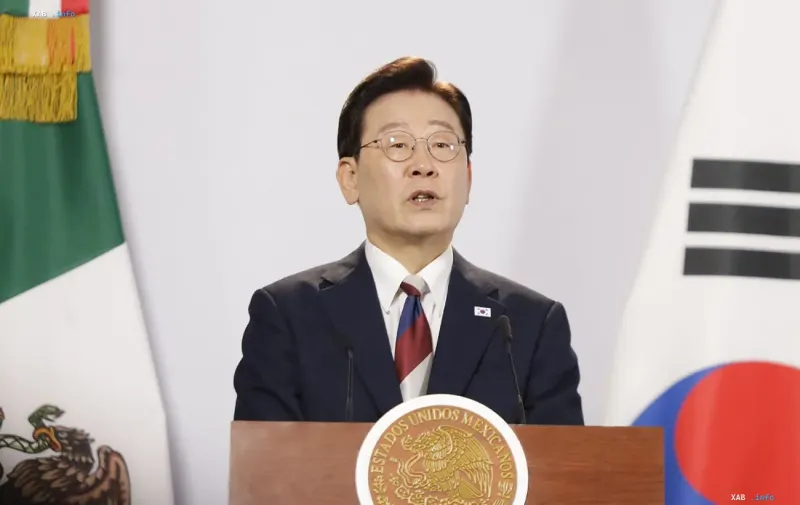
South Korea is gradually restoring diplomatic and economic contacts with Russia against the backdrop of deteriorating relations with Ukraine, raising concerns among European allies. According to the Financial Times, under the presidency of Lee Jae-myung, Seoul has stepped up dialogue with Moscow despite the ongoing military conflict and Russia's cooperation with North Korea.
Fuel Supplies and Economic Contacts
In July and August alone, South Korea sent more than 176,000 tons of fuel, predominantly diesel, to Russia. As the publication notes, some of these shipments were carried out using tankers subject to international sanctions. Vladyslav Vlasiuk, the Ukrainian presidential commissioner for sanctions policy, stated that these supplies helped Russia mitigate fuel shortages caused by a series of Ukrainian strikes on oil refineries.
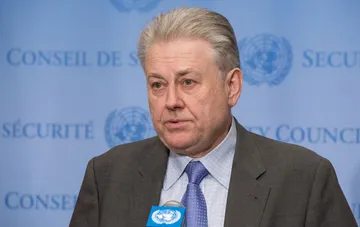
At the same time, official Seoul rejects accusations of direct fuel exports to Russia. Concurrently, the parties are holding closed consultations, and Song Young-gil—a politician previously awarded the Russian Order of Friendship—has been appointed as the South Korean president's advisor on peace diplomacy.
Diplomatic Crisis in Relations with Kyiv
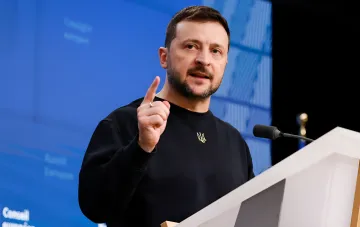
South Korea's relations with Ukraine sharply deteriorated following a dispute over the disclosure of information regarding two North Korean prisoners of war. President Volodymyr Zelenskyy announced this on September 23 during his speech at the UN General Assembly, after which Seoul recalled its ambassador from Ukraine and reduced its diplomatic presence.
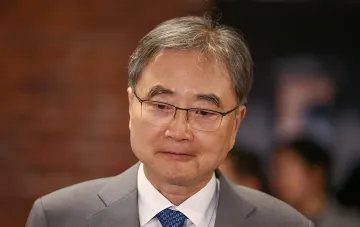
The South Korean administration stated that the public disclosure violated confidentiality agreements and endangered the security of the soldiers and their families remaining in North Korea. In turn, the Office of the President of Ukraine denied that any agreement on keeping the matter strictly secret existed. South Korean Foreign Minister Cho Hyun did not rule out a possible rupture of diplomatic ties with Kyiv.
Reaction of European Allies and Prospects
European diplomats are expressing serious alarm over these developments, fearing that Seoul is placing its own economic priorities above solidarity with Ukraine and preparing to fully restore ties with Moscow once hostilities end. The situation demonstrates a major shift in South Korea's diplomatic course as it balances between Western partners' sanction demands and pragmatic interests in energy markets.