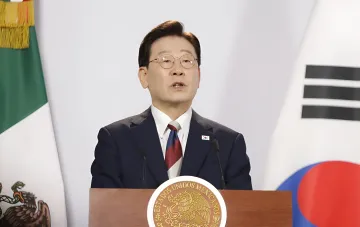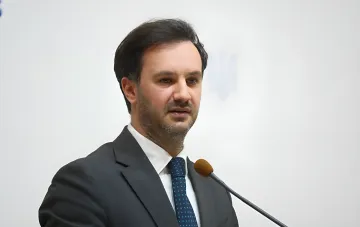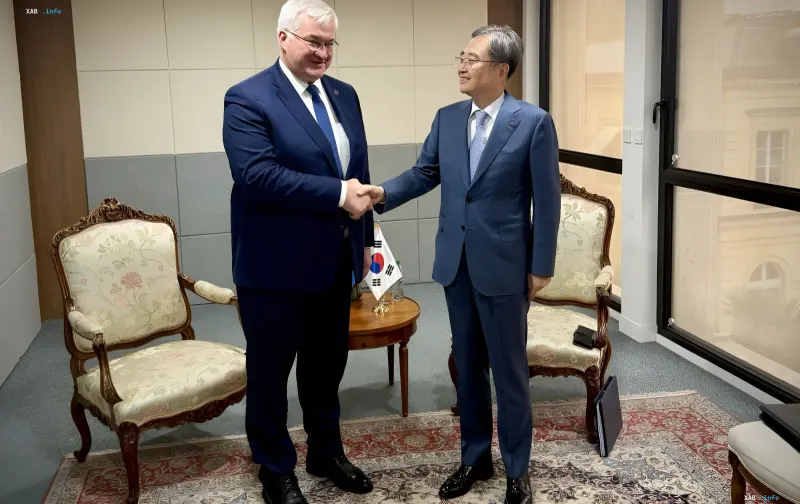
The diplomatic rift between Ukraine and South Korea, triggered by the scandal surrounding the transfer of two North Korean prisoners of war, is beginning to smooth over. The foreign ministers of both countries—Ukrainian Minister Andrii Sybiha and South Korean Minister Cho Tae-yul—held a meeting on the sidelines of the G7 summit, during which, according to Kyiv, an "open conversation" took place regarding recent "unpleasant events." Both parties confirmed their readiness to take a series of steps toward the final normalization of bilateral relations, which were effectively frozen at the peak of the conflict.
Open Conversation on the Sidelines of G7
Andrii Sybiha described his meeting with Cho Tae-yul as "good" and stated that he is satisfied with the dynamics of relationship restoration. "We had a truly good conversation during which we openly discussed those recent unpleasant events and the facts that occurred," the Ukrainian minister reported. According to his assessment, the two capitals now face the task of going through a series of consecutive steps to complete the normalization process. Sybiha emphasized that Kyiv and Seoul "deserve exceptionally dynamic, high-level bilateral relations," which effectively outlines the target format of interaction after the dispute is settled.
How the Scandal Started: North Korean POWs
The crisis in relations erupted following Volodymyr Zelenskyy's statement on September 23 at the UN General Assembly session. The head of the Ukrainian state announced that Ukraine had handed over two North Korean prisoners of war to South Korea, who were reportedly captured in 2025 during combat operations in the Kursk region. It was the public disclosure of this fact, rather than the transfer itself, that triggered the diplomatic conflict: Seoul considered Kyiv's actions a violation of a previously reached agreement.
Positions of the Parties: Confidentiality or Lack Thereof
South Korea accused Kyiv of violating a confidentiality agreement on the basis of which, according to Seoul, the transfer of prisoners was organized. The Ukrainian side, in turn, denied the very existence of such an agreement. Amid mutual claims, Seoul demanded official apologies and recalled its ambassador from Kyiv on October 8. On October 27, the South Korean side recalled eight more embassy staff members, explaining that Kyiv had not taken sufficient steps to resolve the dispute. Thus, by the time of the G7 meeting, the diplomatic presence of both countries in the capitals had been significantly reduced.
Prospects for Normalization
The meeting on the sidelines of the G7 became the first public signal that the parties are ready to move from exchanging claims to constructive dialogue. According to Sybiha, a series of practical steps aimed at the final restoration of relations lies ahead. A key issue remains whether the parties will manage to agree on the interpretation of the confidentiality incident: this discrepancy in the evaluation of facts was the main obstacle to de-escalation. Nevertheless, the very fact of an "open conversation" at the ministerial level indicates that the diplomatic channel is working again, and the format of "exceptionally dynamic high-level relations" declared by Kyiv may serve as a guide for further interaction.