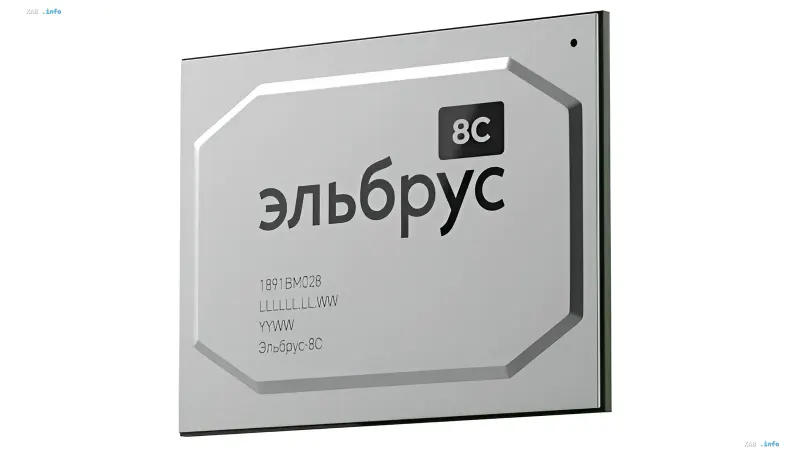
Russia's Soyuz-5 medium-class launch vehicle has taken an important step toward technological sovereignty by acquiring a modern domestic control system. At the ongoing Microelectronics-2026 forum, space industry leadership officially announced the integration of domestic eight-core processors of the Elbrus family, developed by MCST specialists, into the ground-based control complex of the advanced rocket system. This decision opens a new stage in the development of domestic rocket engineering and reduces dependence on imported components.
Integration of Processors into the Ground Complex
At the first stage of import substitution, Elbrus microprocessors were integrated directly into the ground infrastructure of the control system, which ensures interaction along the "board–ground" line. As specialized experts note, the transition to the domestic architecture required a large-scale overhaul of all software. Unlike previously used foreign platforms (such as ARM, SPARC, and PowerPC), Elbrus features a unique architecture, which made it possible to optimize the system's power consumption and significantly increase the speed of telemetry data exchange between ground equipment and launch systems.
Flight Test Plans and Prospects
The successful launch of ground systems paves the way for installing computing systems directly on board the rocket. Leadership of relevant departments confirmed plans to equip two more flight copies of the Soyuz-5 rocket with Elbrus processors, with test launches scheduled for 2027. Recall that the first test launch of this carrier as part of the joint Russian-Kazakh Baiterek project took place on April 30, 2026, from the Baikonur Cosmodrome. At that time, the first and second stages performed normally, placing the mass-dimension mockup into the calculated suborbital trajectory.
Contradictory Data
Despite optimistic statements about scaling the technology, the expert community points out a number of technological challenges. According to industry representatives, including SNDGlobal holding head Olga Kwashenkina, the practical value of Elbruses is due to their original architecture and proprietary software environment, but on-board software requires careful verification of drivers, bootloaders, and peripherals. In addition, questions remain regarding the volumes of mass production of chips: after production was suspended at the facilities of Taiwan's TSMC in 2022, the launch of processor manufacturing at enterprises in friendly countries is only gaining momentum, creating temporary restrictions for the mass deployment of space-grade microelectronics.