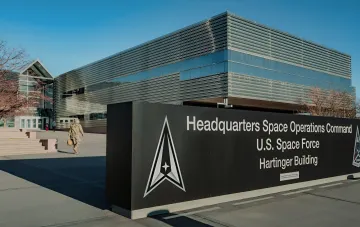
On August 16, 2026, the United States Space Force (US Space Force) announced the launch of a major initiative to diversify its orbital infrastructure. As part of the program aimed at creating a universal military data transmission network, the department allocated $60 million in grants to five leading aerospace companies. The recipients of the funding were Amazon LEO for Government, Lockheed Martin, Northrop Grumman, Rocket Lab, and York Space Systems. Each company received $12 million to conduct critical compatibility tests.
"One-Stop" Strategy and the Role of SpaceX
The central element of the new architecture is the Space Data Network (SDN) — a unified network infrastructure designed to integrate disparate satellite systems into a single secure ecosystem. The foundation of this network (SDN Backbone) was established by SpaceX in May 2026, which received a $2.29 billion contract. However, the military recognizes the risks of over-reliance on a single supplier. The new contracts awarded in August are aimed at solving the integration challenge: how to connect satellites from other manufacturers to the SpaceX "backbone" without turning the entire system into a monopoly of one vendor.
Technical Architecture: From Prototypes to Orbital Nodes
The funding program is divided into two key stages. The majority of the funds ($10 million) will be awarded to companies under fixed-term contracts lasting up to 9 months. During this period, suppliers must create and demonstrate working prototypes capable of transmitting data via the SDN. The tests will cover both classic data transmission between ground stations and satellites and, more importantly, inter-satellite links using optical channels.
Additionally, each company will receive $2 million under Other Transaction Authority (OTA) agreements. These funds are allocated for the development of the "Space Exchange Points" concept. These orbital nodes will become key elements of the architecture, allowing disparate commercial and government networks to exchange data with the main military SDN network, ensuring flexible traffic routing.
Standardization as a Survival Tool
The US Space Force expects that the implementation of standardized interfaces will allow new suppliers to connect to the SDN in the future without the need for a complete architectural overhaul. The selection of companies was conducted through the Space Data Network Consortium — an industry association created by the military to address technical compatibility issues. Successful implementation of the project will allow traffic to be rerouted in the event of satellite or communication channel failures, which is critical for the resilience of military communications during conflict.
Contradictory Data
While the total funding amount ($60 million) and the list of participants (Amazon, Lockheed Martin, Northrop Grumman, Rocket Lab, York Space Systems) are confirmed by official statements, there are discrepancies in the details of budget allocation in various analytical reports. While the Space Force press release indicates an equal distribution of $12 million per company, some industry sources (including reports from Data Center Dynamics) suggest that the funding structure may vary depending on the complexity of the integration tasks facing a specific supplier. Furthermore, the exact timeline for completing the prototyping phase (9 months) may be adjusted based on the results of the first inter-satellite link tests.