Returning from war to civilian life is not just a change of location or uniform. It is a complex, multi-layered process of adaptation that affects the psyche, the body, social connections, and professional identity. For many veterans, peaceful reality seems alien, and the usual rhythm of life feels unnatural. This is why, in 2026, increasing attention is being paid to creating specialized spaces for recovery, where one can not only receive medical care but also find inner harmony.
Psychological challenges: from anxiety to PTSD
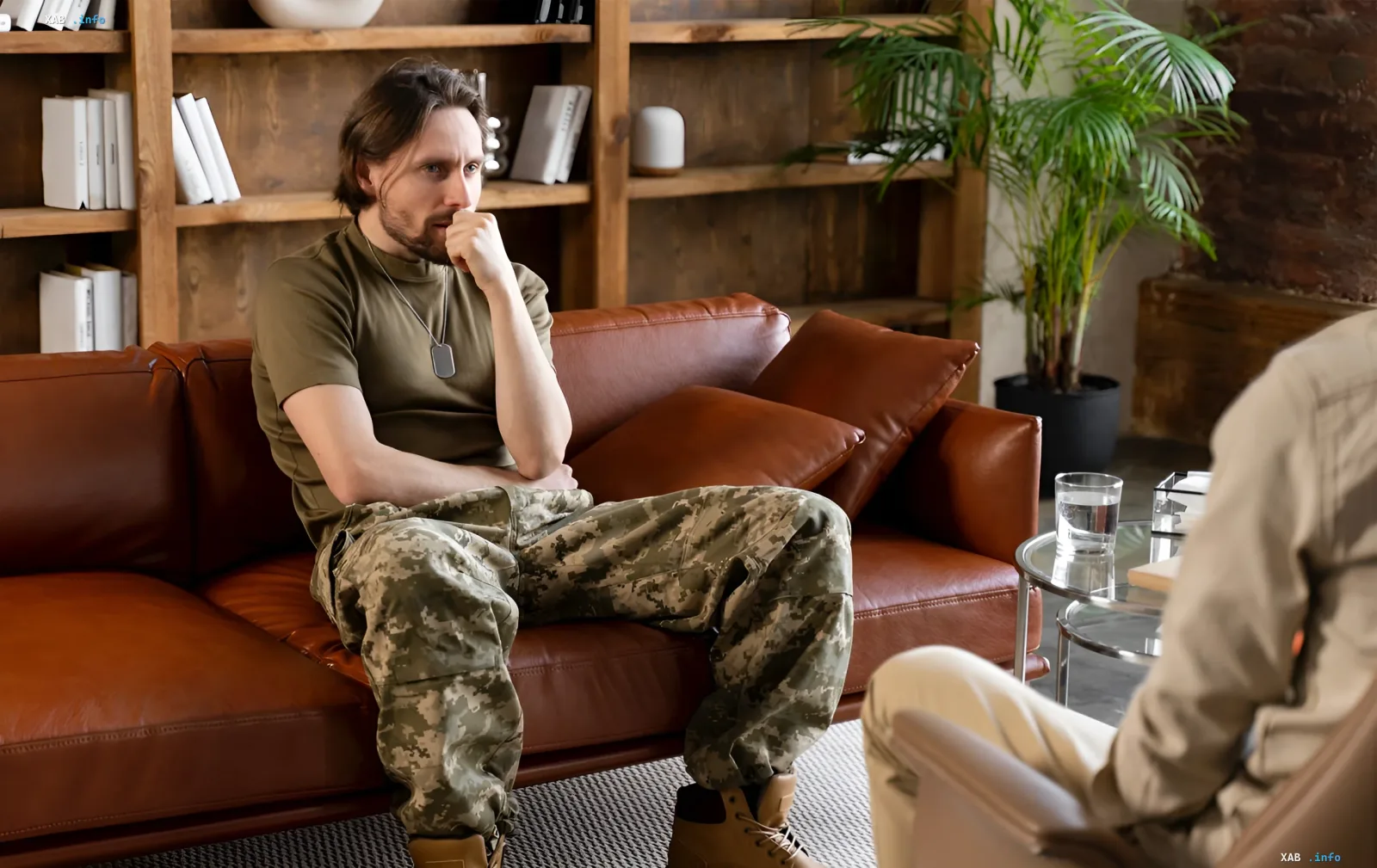
One of the most common consequences of service is the development of psychological disorders. Anxiety, insomnia, intrusive memories, and hypervigilance often accompany veterans even after combat operations have ended. In some cases, post-traumatic stress disorder (PTSD) or depression is diagnosed. Without timely support, such conditions can lead to social isolation, loss of motivation, and even suicidal thoughts.
Social and professional adaptation: finding a new role
Military service forms a specific culture: a clear schedule, hierarchy, and collective responsibility. Returning to a civilian environment, where there are no such rigid frameworks, can cause a sense of disorientation. Moreover, veterans face the need to retrain, find new work, or adapt their military experience to civilian professions. The labor market is not always ready to accept their skills, and state support programs often turn out to be insufficiently flexible.
Family and society: overcoming the gap
During service, people change — and this concerns not only the veterans themselves but also their loved ones. Families need time to find common ground again, understand each other's new needs, and build trusting relationships. The feeling of misunderstanding from society also remains a serious barrier: many veterans feel that their experience cannot be fully grasped by those who have not been at war.
The Carpathians as a place of recovery: a project of the future
It is in this context that the idea of creating a specialized rehabilitation space for veterans in the Carpathians is born. The project involves uniting psychologists, doctors, rehabilitation specialists, trainers, and volunteers to form a comprehensive support system. The goal is to provide participants with the opportunity to temporarily escape the noise and bustle, feel safety, silence, and care. The author of the project, who has served in the military herself, sees this not just as charity, but as a social responsibility towards those who defended the country.
Contradictory data
Although the idea of creating a rehabilitation center in the Carpathians receives widespread support in society, there are disagreements regarding its financing and scale. Some experts believe that such projects should be fully state-funded, while others argue that it is more effective to attract private investment and philanthropists. There are also opinions that such centers may become a "temporary shelter" but will not solve the systemic problems of veteran adaptation. Nevertheless, most agree: without a comprehensive approach, including psychological, physical, and social support, a full return to life is impossible.
Conclusion: care as the foundation of recovery
Returning to a peaceful life is a long journey that requires time, patience, and support. Creating special spaces, such as the planned center in the Carpathians, can become an important step in this direction. It is important for society to realize: caring for veterans is not a one-off event, but a constant effort requiring resources, empathy, and a systematic approach. If we can help even one person regain faith in themselves, then the project already has meaning.