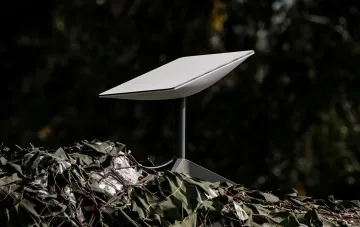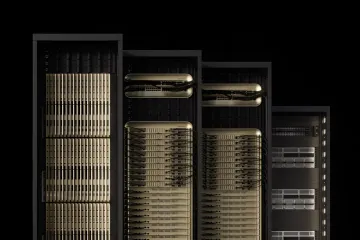
SpaceX, in partnership with NVIDIA, is embarking on one of the most ambitious projects in the history of the space industry — the creation of orbital computing systems under the working title StarMind. This was reported by RBK-Ukraine, citing the publication Interesting Engineering. The project involves shifting a significant portion of computing and communication tasks from ground-based data centers to orbit, which, according to the developers, could radically restructure global data transmission and information processing infrastructure.
Launch Timeline and Hardware Foundation
The first StarMind SI systems are scheduled for launch in the third quarter of 2027, with active infrastructure deployment continuing throughout 2028–2029. The primary hardware for the orbital nodes will be based on the latest NVIDIA Vera Rubin NVL72 platform, a server architecture designed to handle the most complex computational tasks. This specific choice of chips allows SpaceX to position StarMind not just as a communication satellite, but as a full-fledged computing node operating outside of traditional terrestrial data centers.
Laser Communication and Competition with Subsea Cables
A key technological element of the project is upgraded laser communication. Each fourth-generation Starlink satellite, upon which the StarMind infrastructure is built, will feature ten next-generation laser lines. Data transmission speed for each of these lines will exceed 10 terabits per second. In the long term, a constellation of more than 100,000 satellites, each carrying ten such links, could pose serious competition to existing subsea internet cables. The physical advantage is clear: light propagates in the vacuum of space approximately 40 percent faster than through glass fiber-optic cables, while traffic follows direct routes between points on the planet rather than following landmass contours as subsea backbones must.
Fourth Generation Starlink: Tenfold Capacity Increase
In parallel with the development of StarMind, SpaceX is working on the fourth generation of Starlink satellites. According to reports, the new version will offer ten times the capacity compared to the previous generation. This boost in bandwidth, combined with laser links, forms the foundation for the orbital constellation to shift from being a mere internet access provider to a full-fledged global computing and communication layer.
Ground Infrastructure: Memphis and Texas
Beyond space projects, Elon Musk's companies are actively developing ground infrastructure for computing and chip manufacturing. A large-scale computing complex with its own energy system exceeding 1 GW is already operational in Memphis, Tennessee. According to reports, the infrastructure was built in roughly one year, whereas similar industry projects typically require five years. A separate focus is the development of semiconductor manufacturing in Texas: Tesla is building a research center at Gigafactory Texas aimed at reducing the chip development cycle from a year to one month. In Grimes County, the Terafab plant is being built, which is intended to cover the full production cycle — from logic and memory chip manufacturing to lithography and final packaging.
Strategic Significance of the Project
The combination of StarMind orbital computing nodes, ultra-fast laser communication, and accelerated ground-based chip manufacturing creates a closed-loop ecosystem in which SpaceX and NVIDIA control key links — from the silicon wafer to the photon traveling between satellites in orbit. If the stated timelines and technical parameters are realized, the global internet and cloud computing architecture could look fundamentally different by the end of the decade.