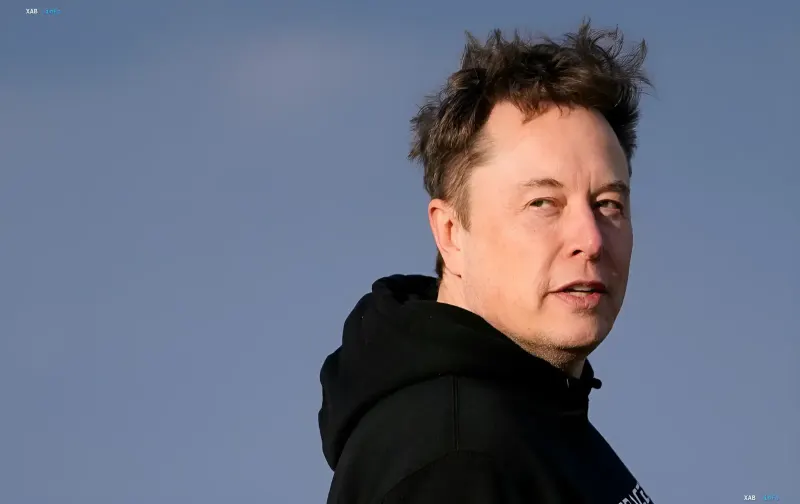
On August 13, 2026, news emerged of a radical shift in the artificial intelligence development strategy at SpaceX. During an internal corporate meeting dedicated to the company's future plans, Elon Musk officially announced that the Grok AI system would be trained on the aggregate of all information generated by SpaceX employees. According to the billionaire, every employee effectively becomes a 'parent' to the AI, transferring their thoughts, ideas, and professional convictions to it.
The Philosophy of 'Collective Rearing' of AI
Elon Musk justified this decision with a unique approach to shaping the algorithm's values. The head of SpaceX emphasized that his employees are a 'collective of some of the best people on Earth,' and it is their intellectual contribution that should form the foundation for the ethical and functional development of the model. Musk stated that this method would allow future versions of Grok to be endowed with desired values and a deep understanding of real engineering tasks that cannot be obtained from open internet sources.
Technological Hunger and Exhaustion of Open Data
The decision to switch to internal data is dictated by objective market conditions. By mid-2026, AI developers had practically exhausted high-quality data with free access on the internet. Tech giants are forced to seek new sources of 'fuel' for neural networks. Now, the focus is on sensor data, production line logs, and, as in the case of SpaceX, the direct work activities of engineers. The goal is to teach algorithms to perform complex tasks in the real world, not just generate text.
Context: Meta's Experience and the Technological Race
SpaceX is not the first company to take such a step. In April 2026, Meta launched a similar initiative, starting to collect data on keystrokes and mouse movements of its employees. However, this project was forced to be suspended in June due to harsh criticism and an incident involving the leak of private conversations and performance data across the entire company. SpaceX is trying to catch up with competitors, as the Grok model still lags behind OpenAI and Anthropic developments in key test metrics. To strengthen its position, the company recently completed the acquisition of the startup Cursor for $60 billion and integrated xAI prior to its IPO.
Contradictory Data
While Elon Musk positions data collection as an act of trust and 'rearing' of AI, there are concerns regarding privacy protection mechanisms. The exact list of data types to be used for training and specific security protocols are not yet disclosed. On one hand, Musk promises that this will lead to technological dominance and new opportunities for employees, including the promised vacation to the Moon or Mars. On the other hand, the lack of transparency regarding privacy raises questions, especially in light of the failure of a similar project at Meta. It remains unclear how exactly employees' intellectual property will be protected from leaks or misuse.
Economic Prospects and New Products
Musk urged all workers to actively use the new AI and help improve it, promising that dominance in the AI field will bring the company more revenue than rocket production. By September 2026, it is expected that revenue from AI solutions will exceed income from rocketry. Furthermore, SpaceX has already launched the Grok Bot tool — an AI agent developed to autonomously perform tasks on a computer, which will be the next step in integrating AI into the daily work of engineers.