
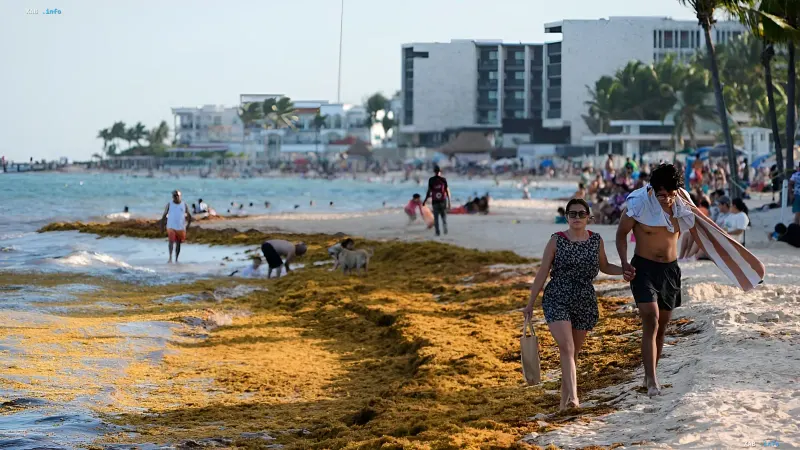
Spanish Law 22/1988 of July 28, known as the Coastal Law, has regulated life on the shoreline for nearly forty years. Its fundamental principle is simple and harsh: the beach and the coastal strip are public property. This means that no one can appropriate a patch of sand or erect permanent structures there without special permission. It is this document that serves as the source of most fines reported by the press every summer.
Spectrum of Violations and the Cost of Mistakes
Chapter Five of the law, dedicated to offenses, clearly distinguishes between minor and serious infractions. The first category includes unauthorized occupation of public territory, violation of administrative permit conditions, or minor damage to the right of way. Fines for such actions cannot exceed €60,000.
The situation changes radically with serious violations. Altering boundary markers denoting the coastline, blocking public access to the sea, or constructing unauthorized structures incurs sanctions of up to €300,000. In some cases, the fine is calculated individually: based on each occupied square meter, each dumped cubic meter, or each day the violation persisted.
Who and How Punishes
The scale of the fine depends directly on which authority records the violation. Municipalities within their competence can issue fines up to €12,000. If it concerns industrial discharges or pollution, authority passes to the autonomous communities, which can levy sums up to €1.2 million.
Financial penalty is only part of the punishment. The law obliges the violator to restore the site to its original state. If the damage cannot be eliminated, compensation is required. In the case of illegal structures, this almost always means an order for demolition.
The Tobacco Issue and Pets
A significant portion of fines faced by ordinary tourists is not written in federal law but in municipal regulations. They vary from city to city and are becoming stricter. A prime example is the smoking ban. Currently, it applies to more than 600 Spanish beaches, including resorts in Barcelona, San Sebastián, as well as a significant part of the Balearic and Canary Islands. In the capital of Catalonia, the fine for smoking on the beach ranges from €300 to €750.
The government is preparing a new anti-tobacco law that proposes extending the ban to all beaches in the country. Sanctions in the new draft range from €200 to €600,000 depending on the severity of the violation.
The situation with dogs and other pets remains the responsibility of local authorities. The Coastal Law does not directly mention animals, so each municipality decides for itself: to designate a special "dog beach" or to completely ban access to the shore.
Procedure and Tips for Tourists
When a violation is recorded by municipal police, the Coast Guard, or the Civil Guard, an administrative proceeding begins. The violator receives a notification listing the claims. They have the right to submit objections, after which a final decision is made, which can be appealed.
The law provides for the possibility of mitigating punishment: if the violation is rectified in time (for example, the installation is dismantled or the discharge eliminated), the fine may be reduced by half. Information about large fines after they enter into force is published in local newspapers.
Authorities give a simple piece of advice: before setting up an umbrella, it is worth carefully studying the information boards on the beach. Norms may differ even from one promenade to another, and what is allowed in one settlement may be strictly prohibited a couple of kilometers away. Ignorance of the rules, as in any area of administrative law, does not exempt one from liability.