On November 12, 2026, the Permanent Delegation of the Spanish Parliament reviewed a package of government measures aimed at overcoming the country's housing crisis. The outcome of the session was mixed: one of the so-called 'Maricarmen decrees' — urgent legislative acts adopted by the government through a fast-track procedure — was approved, while the second document was rejected. A key factor in the vote was the support of the Basque Nationalist Party (PNV), without which the executive branch would not have had enough votes to pass the first package of measures.
What are the 'Maricarmen decrees'
In Spanish practice, a 'decreto de ley' is an instrument of emergency legislation that allows the government to introduce rules without waiting for the full parliamentary approval procedure, subject to subsequent ratification by the lower house. This exact mechanism was used by Madrid to respond to the acute housing crisis, and in the media field, these acts became known as the 'Maricarmen decrees'. Dividing the package into several documents was explained by the fact that each measure required a separate vote, which predetermined the mixed outcome: some initiatives passed, while others did not.
The Role of PNV and Voting Outcome
The Basque Nationalist Party (PNV) played a decisive role in the fate of the first decree, as its support provided the government with the necessary vote to adopt the document. The second decree, conversely, did not receive sufficient support and was rejected. Thus, the meeting of the permanent committee confirmed that the executive branch lacks a stable majority, and the outcome of each individual act depends on the tactics of minor parties, primarily the PNV.
The Position of the Right-Wing Opposition
The right-wing opposition reportedly stated its position and intentions regarding the approved and rejected documents, maintaining a critical tone toward the emergency legislation mechanism and the content of the housing measures. For the opposition, the failure of the second decree served as a demonstration that the government is incapable of passing the entire package in full, while the adoption of the first served as an argument that the expedited procedure requires stricter parliamentary control.
Context: Housing Crisis and Street Protests
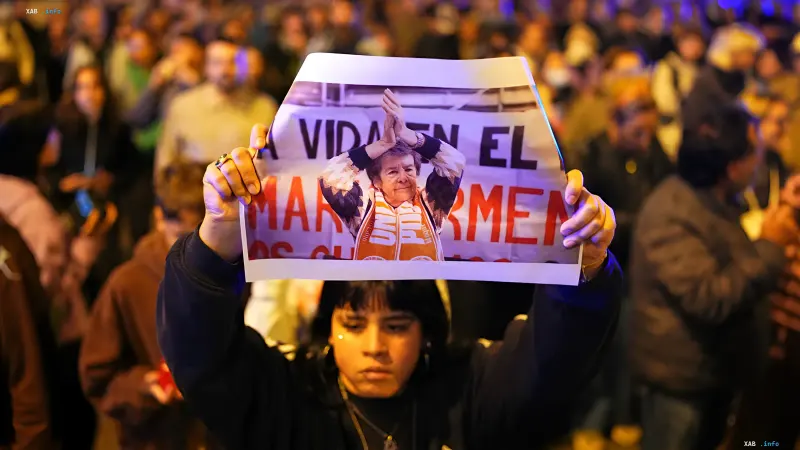
The committee's decisions come against the backdrop of an ongoing housing crisis in Spain, which remains one of the key topics of public discussion and street rallies. Photographs from protests across the country show participants putting forward demands related to housing affordability, highlighting the social tension surrounding the issue and explaining why the executive branch resorted to emergency legislative instruments. The future fate of the rejected decree and potential renewed attempts to pass it will mark the next stage of the parliamentary struggle in Spain.