Satellite internet from SpaceX is often viewed by citizens as a universal panacea against any communication disruptions amidst modern urban challenges. However, relevant department representatives urge citizens to soberly assess the technical capabilities of the equipment and not rely on it as a full-fledged replacement for classic wired internet in apartment buildings.
Technical Limitations of Home Use
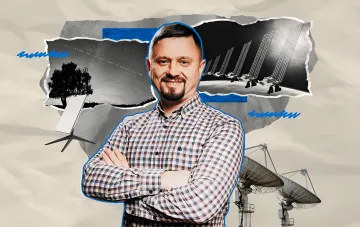
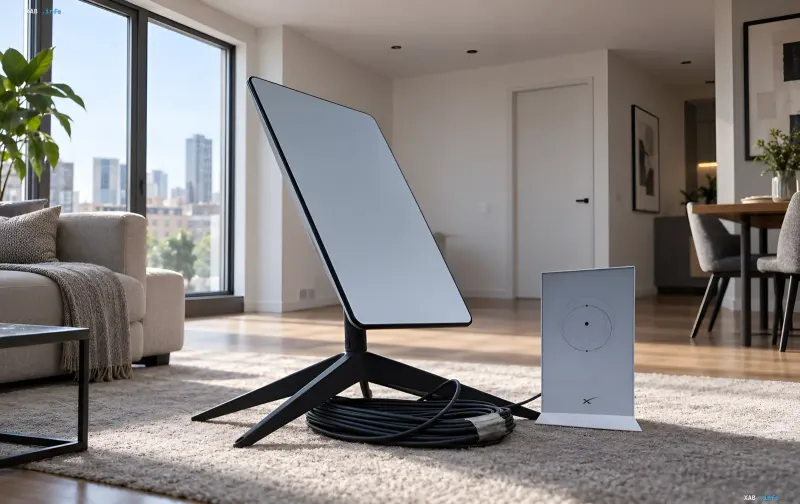
As explained by Deputy Minister of Digital Transformation Stanislav Prybytko in an interview with specialized media, the key problem of using Starlink terminals in urban environments lies in the specifics of signal reception. Stable operation requires constant and direct access to the open sky, which is physically impossible from the windows of a standard city apartment.
The equipment must be mounted on the roofs of buildings or in open areas where there are no architectural obstructions. Attempts to place the terminal on a balcony or inside a living space inevitably lead to a significant drop in data transfer speeds, connection drops, or a complete lack of signal, making comfortable work impossible.
Alternatives and Backup Scenarios
As the most effective alternative for city apartments, experts and officials recommend deploying energy-independent cable networks, in particular xPON technology, capable of functioning even during prolonged power outages provided backup power is arranged for the router.
Controversial Data
While Ukrainian specialized agencies emphasize exclusively the backup and crisis status of satellite internet for civilians, the technology continues to be a subject of fierce political and economic discussions in the international arena. In particular, Ukraine's leadership is simultaneously negotiating with international partners on imposing sanctions against alternative satellite communication projects in other jurisdictions, while also facing issues regarding the regional distribution of network bandwidth in Eastern Europe.
Thus, the expert community agrees that Starlink should remain a tool for critical infrastructure, remote regions, or emergency situations, but not a baseline solution for everyday urban life.